
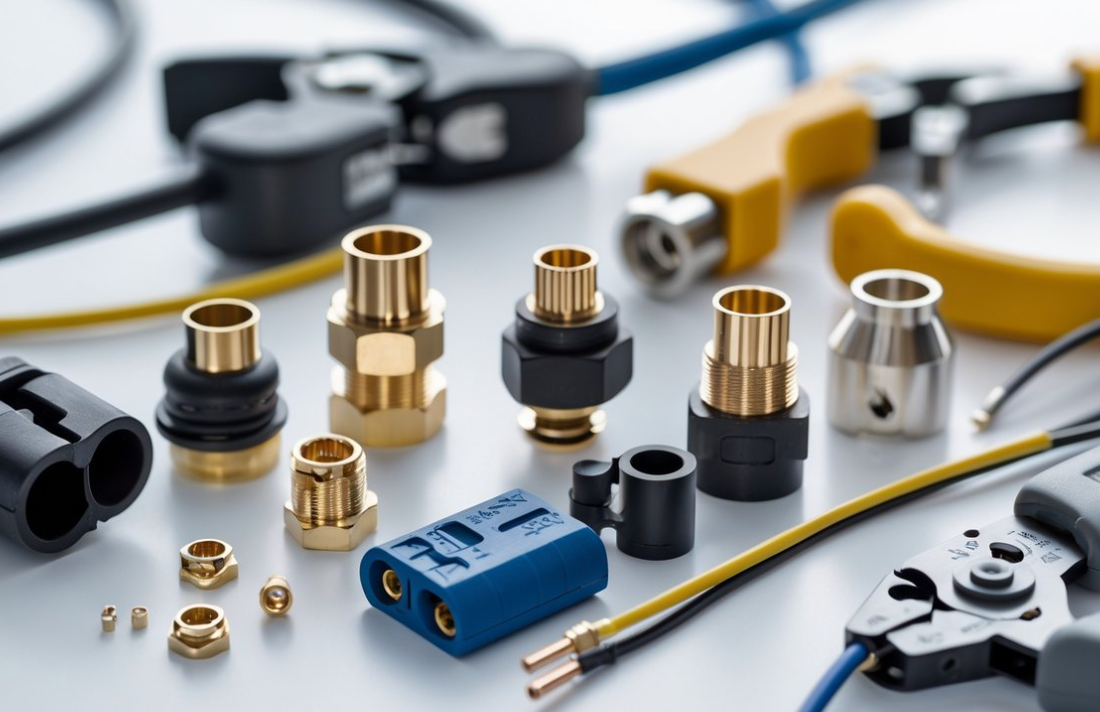
Splicing connectors are essential tools in electrical wiring, used to join two or more wires in a secure and reliable manner. These connectors offer a variety of types and applications, making them crucial for ensuring efficient current flow in both residential and industrial settings. Understanding what splicing connectors are and how they function can significantly enhance the effectiveness and safety of electrical installations.
There are multiple types of splicing connectors available, such as twist-on wire connectors, crimp connectors, and push-in connectors. Each type serves a specific purpose and is designed for different wire applications, contributing to their versatility in the field. Knowing which connector to use in particular scenarios simplifies the process of making durable and lasting electrical connections.
In addition to their practical applications, splicing connectors play a vital role in maintaining signal integrity and reducing the risk of electrical failures. By providing a strong connection, these tools ensure that systems operate smoothly, whether in homes or complex industrial environments. This blog post will explore the definition, types, and various uses of splicing connectors, offering valuable insights for both DIY enthusiasts and professional electricians.
What Is a Splicing Connector?
A splicing connector is a crucial tool used in electrical wiring to join two or more wires securely. They are designed to provide a reliable connection, ensuring that electrical signals flow without interruption. Various types exist, each suited for different applications, enhancing their importance in both residential and industrial settings.
Definition and Core Functionality
A splicing connector is a device that joins multiple electrical conductors, offering a strong and lasting bond. Unlike traditional techniques, which may involve twisting or soldering wires, splicing connectors enable faster and safer connections. These connectors are designed to work with various materials, such as copper and fiber optics.
They also accommodate different wire gauges, which broadens their usability. When correctly installed, splicing connectors help maintain the integrity of electrical connections, reducing the risk of signal loss or failure. They play an essential role in ensuring consistent and efficient electrical performance across various applications.
Key Advantages Over Traditional Splicing
Splicing connectors provide several benefits compared to traditional wire splicing methods. Here are some key advantages:
- Ease of Use: Many splicing connectors do not require specialized tools, allowing for quick and simple installation. This can save both time and money on projects.
- Safety: These connectors reduce the risks associated with improper wire handling, such as short circuits or fires. Their secure connections minimize the chance of loose wires that can lead to failures.
- Durability: Splicing connectors are built to withstand environmental factors, such as moisture and temperature changes. This ensures a longer lifespan for the electrical connections.
In contrast, traditional splicing can lead to unreliable connections if not performed correctly. This makes splicing connectors a more dependable option for achieving secure wire connections.
Roles in Electrical Connections
Splicing connectors play various essential roles in establishing effective electrical connections. They maintain signal integrity by providing a consistent and clear path for electricity to flow through. Key functions include:
- Connection Strength: Splicing connectors ensure robust joints between wires, which are vital in preventing power loss.
- Versatility: Available in different types, such as crimp, twist-on, or push-in connectors, each fulfills specific requirements depending on the application.
- Ease of Maintenance: With splicing connectors, technicians can easily replace or repair sections of wiring without needing to disrupt the entire system.
These roles highlight why splicing connectors are indispensable in both household and industrial electrical systems. They ensure reliable and efficient operation in various environments and applications.
Main Types of Splicing Connectors
Splicing connectors are essential for making secure electrical connections. Different types serve specific functions and environments, ensuring safe and reliable performance across various applications.
Twist-On Wire Connectors
Twist-on wire connectors, commonly known as wire nuts, are one of the most widely used splicing connectors. They are designed to join multiple wires together securely by twisting the connector onto the exposed ends.
Key Features:
- Versatility: Available in various sizes to accommodate different wire gauges.
- Ease of Use: They do not require special tools, making them quick to install.
- Insulation: These connectors provide a protective barrier against short circuits.
Twist-on connectors are particularly effective in junction boxes for connecting solid core wires in both residential and commercial settings. Their ability to create solid connections without complex techniques makes them a popular choice for many electricians.
Push-In and Lever Connectors
Push-in and lever connectors simplify the wiring process by allowing for quick, tool-less installations.
Push-In Connectors:
- Wires can be inserted directly without removing insulation.
- Ideal for environments demanding speed and efficiency.
Lever Connectors:
- Utilize a lever mechanism to hold wires securely.
- They can be reused easily, which is beneficial for future modifications.
Both types of connectors offer the advantage of quick installation and reliable gripping. They are often found in home electrical systems, lighting installations, and automated systems. The ability to disconnect and reconnect without hassle makes them very user-friendly.
Crimp Connectors
Crimp connectors provide robust and permanent connections, making them essential in many electrical applications. They join wires by deforming a metal sleeve around the wire ends with a crimping tool.
Types of Crimp Connectors:
- Butt Connectors: Used for joining two wires end-to-end.
- Ring and Spade Terminals: Allow for easy attachment to screws and terminals.
- Inline Connectors: Facilitate parallel connections in larger systems.
Crimping ensures a tight fit, promoting both mechanical strength and electrical continuity. They are particularly suitable for high-current applications, such as automotive wiring, where reliability is crucial.
Heat Shrink and Solder Splices
Heat shrink and solder splices are popular for providing strong, permanent electrical connections.
Solder Splices:
- Involve melting solder around exposed wire ends to create a solid bond.
- Known for their durability, they provide excellent conductivity and resistance to corrosion.
Heat Shrink Tubing:
- Used to insulate soldered connections, it creates a moisture-resistant barrier.
- Ideal for outdoor and industrial applications, offering added protection against environmental factors.
These connections are common in both automotive and electronic projects where lasting strength and performance are necessary. Choosing this type of splicing connector ensures both safety and reliability in demanding conditions.
Splicing Connector Installation and Methods
Installing splicing connectors involves careful preparation, the right tools, and specific techniques to ensure reliable connections. Proper methods enhance both safety and effectiveness in electrical systems.
Preparation and Safety Considerations
Before starting any installation, he should prepare the workspace and ensure safety. First, turn off the power supply to prevent any shocks. Next, gather all necessary materials and tools before beginning the work. This includes splicing connectors, wire strippers, and insulation materials.
It’s also important to wear protective gear such as gloves and goggles to safeguard against electrical hazards. The installation area should be dry and free from excessive moisture, which can compromise electrical connections. Finally, checking local regulations and ensuring compliance before proceeding is essential for safety and reliability.
Tools and Materials Required
The successful installation of splicing connectors relies on using the right tools and materials. Key tools include:
- Crimping Tool: Used to secure crimp connectors to wires, ensuring a tight and reliable connection.
- Soldering Iron: This is for creating soldered connections, offering a strong bond once the solder cools.
- Heat Gun: Useful for shrinking tubing around connections to add insulation.
- Wire Strippers: These remove insulation from wire ends to prepare them for connection.
Important materials include splicing connectors, insulation tape, and heat shrink tubing. Ensuring high-quality components is vital, as subpar materials can lead to connection failure. Having everything ready before starting minimizes errors and improves workflow.
Step-by-Step Splicing Techniques
There are several methods for splicing connectors, depending on the requirements of the situation.
- Crimping:
- Strip the insulation off the wire ends.
- Insert the wire into the crimp connector.
- Use the crimping tool to press firmly, securing the wire in place.
- Soldering:
- Strip and twist the wire ends together.
- Heat the joint with a soldering iron.
- Apply solder until it flows into the connection, then let it cool.
- Using Heat Shrink Tubing:
- After crimping or soldering, slide a piece of heat shrink tubing over the splice.
- Use a heat gun to shrink the tubing, ensuring a tight seal against moisture.
Each method requires attention to detail and precision. Following these steps carefully will result in strong, safe connections crucial for the efficiency of any electrical system.
Wires and Compatibility Considerations
Understanding the compatibility of wires is crucial for effectively using splicing connectors. The type of wire, its gauge, and the need for proper insulation all play significant roles in ensuring safe and reliable connections. This section will explore key considerations regarding solid and stranded wires, wire gauge selection, and insulation protection methods.
Solid vs. Stranded Wire
Solid wire consists of a single, solid conductor, providing high conductivity and strength. This type of wire is often used in fixed installations, such as wall outlets and lighting fixtures. Solid wire connections are typically more reliable, as they resist breakage and can handle higher current loads.
In contrast, stranded wire is made up of multiple smaller strands, allowing it to be flexible and easier to install in tight spaces. It is ideal for applications where movement or bending occurs, such as in automotive wiring and portable devices. When working with splicing connectors, it is essential to choose connectors that accommodate either solid or stranded wires properly, as they have differing requirements for connection methods.
Wire Gauge Selection
Wire gauge refers to the diameter of the wire, which impacts its ability to carry current. Selecting the correct wire gauge is crucial for safety and performance. The American Wire Gauge (AWG) system assigns numbers to indicate wire diameter, with lower numbers representing thicker wires.
When splicing wires, the selected connector must match the wire gauge being used. For example, butt connectors work well with specific gauge ranges, ensuring a secure fit. Using a connector that is too large or too small can lead to weak connections, overheating, and potential electrical failures. It is important to assess the total current load and electrical requirements when determining the appropriate wire gauge for a project.
Insulation and Protection
Proper insulation is vital for maintaining electrical safety and preventing short circuits. Splicing connectors should be compatible with the insulation type of the wire—common options include PVC, rubber, and heat-shrink tubing. Electrical tape can also be used after making connections to provide additional insulation.
In environments exposed to moisture or corrosion, connectors that feature built-in protection are recommended. For instance, heat-shrink tubing provides moisture resistance, ensuring the integrity of the splice. Always check that the insulation used meets the voltage and temperature ratings of the application. Selecting the right insulation method protects against electrical hazards and extends the lifespan of the connections.
Applications of Splicing Connectors
Splicing connectors serve many purposes across various industries and applications. They enhance efficiency, reliability, and safety in electrical connections, making them essential components in many settings.
Residential and Commercial Electrical Wiring
In residential and commercial settings, splicing connectors play a crucial role in establishing strong and reliable electrical connections. Typically used in junction boxes, these connectors ensure multiple wire connections are managed safely. Common options include twist-on wire connectors and push-in connectors.
- Twist-on wire connectors, known for their ease of use, allow the joining of several wires by simply twisting them together. They provide insulation against short circuits.
- Push-in connectors are favored for speed and simplicity, often used in lighting and power supply connections.
These connectors help maintain safe wiring practices, reducing the risk of electrical failures and other hazards. Proper selection based on wire gauge ensures a secure fit.
Automotive and Industrial Uses
Splicing connectors are vital in automotive wiring and various industrial applications. They facilitate strong, durable connections that must endure harsh environments, including vibrations and moisture exposure.
Crimp connectors are widely used in automotive settings due to their reliability. They require a specialized crimping tool to secure connections tightly, preventing disconnections during vehicle operation. Heat shrink connectors add an extra layer of protection, sealing against moisture and corrosion.
In industrial contexts, splicing connectors help manage complex wiring systems. They are often used in machinery, factory environments, and heavy equipment, ensuring electrical integrity and minimizing maintenance needs.
Junction Boxes and Branch Circuits
Junction boxes are a common application area for splicing connectors, allowing for safe wire connections in a compact space. These boxes enable easy access to multiple circuits, making maintenance simpler.
Traditional splicing methods, such as twisting wires, may not be as reliable, especially in junction boxes. Splicing connectors provide a more secure option for linking wires. They minimize risks by ensuring connections are insulated and protected from elemental damage.
When using connectors in junction boxes, it’s essential to match the gauge and type of wire for compatibility. This consideration ensures that electrical loads are handled safely, reducing the chance of overheating.
Specialized Applications and Environmental Factors
Certain applications demand specialized splicing connectors designed to withstand specific environmental challenges. Marine wiring, for instance, requires connectors that resist corrosion and moisture, such as stainless steel and brass connectors.
Similarly, connectors used in outdoor settings must be durable and reliable. Heat shrink connectors, for example, effectively protect against harsh weather conditions, maintaining connection integrity over time.
Choosing the right connector for these environments helps prolong the lifespan of electrical systems. Using an anti-oxidant compound can further enhance connection durability, especially in high-humidity areas. Understanding these factors ensures effective and safe installations in specialized applications.
Selecting the Right Splicing Connector
Choosing the correct splicing connector is crucial for ensuring reliable electrical connections and optimal performance. Several specific factors influence this selection process, along with best practices that prevent common mistakes.
Factors Influencing Connector Choice
When selecting a splice connector, several key factors come into play. Wire Gauge: The American Wire Gauge (AWG) size of the wire must match the connector. A proper fit ensures safe and effective connections.
Type of Wire: It is also essential to consider the type of wire being used, such as solid or stranded. Solid wires generally require sturdy connectors, while stranded wires may use crimping methods for a tight grip.
Environmental Conditions: The connector’s resistance to moisture, temperature, and corrosion should be examined. For example, connectors made from brass or stainless steel work well in damp settings.
Lastly, application demands such as voltage and current ratings also guide the choice. Using connectors that meet or exceed these requirements protects the system from overheating and failure.
Best Practices and Common Mistakes
To ensure optimal use of splicing connectors, following best practices is essential. Power Off Before Working: Always turn off electricity to the system. This simple step can prevent accidents.
Correct Tool Use: Rely on the right tools, such as crimping tools for crimp connectors, instead of makeshift options. This practice improves connection integrity.
Proper Insulation: Insulate connections adequately, often using heat shrink tubing. This prevents short circuits and prolongs the life of the connection.
Avoid Overstripping Wires: Stripping too much insulation can lead to poor connections. Only strip enough to connect securely.
Common mistakes include overlooking wire gauge compatibility and using mismatched connectors. Such oversights can lead to connection failures and safety hazards. By avoiding these errors and adhering to best practices, one can achieve reliable and safe electrical connections.
For more details and to explore their full range of offerings, customers can visit the Gabby Electric. This platform is designed to meet the needs of various electrical applications effectively.