
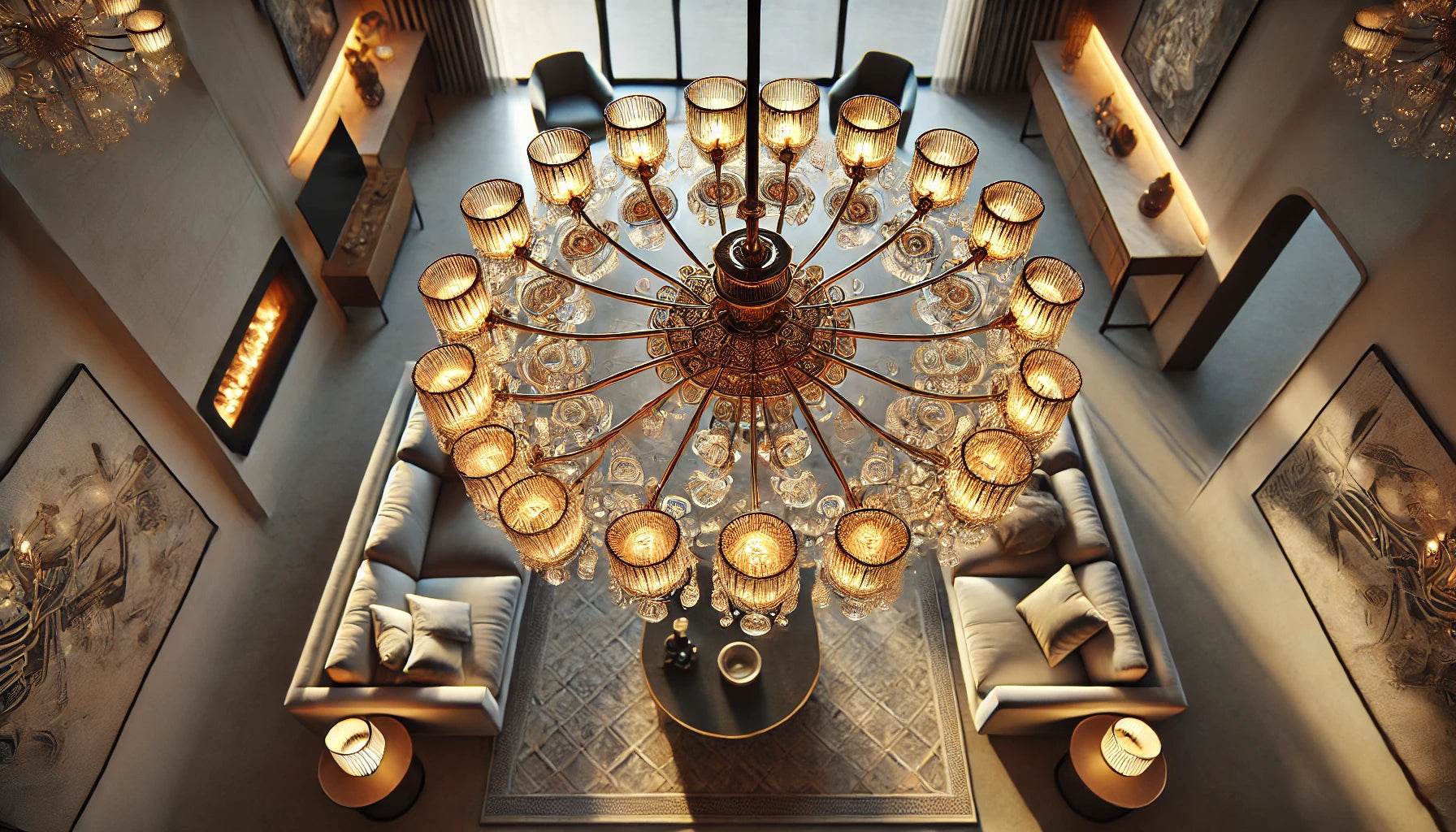
Interior lighting defines atmosphere and influences how every room feels and functions. A chandelier draws visual attention and establishes a focal point that anchors surrounding décor. Careful lighting choices strengthen spatial harmony while improving everyday comfort across residential interiors. Explore the following guidance and take a confident step toward refined interior lighting decisions.
Designer chandeliers serve as striking centerpieces that elevate the decorative character of residential interiors. These chandeliers introduce balanced illumination, striking visual depth, and detailed artistic construction. Several practical factors determine whether a chandelier enhances interior beauty and functional lighting quality.
1. Room Size and Spatial Proportion
Room dimensions strongly influence chandelier size and decorative balance inside the interior layout. A chandelier that appears too large creates visual pressure and reduces spatial comfort. A very small chandelier weakens decorative impact and leaves the surrounding space visually empty. Designers measure room width and length before selecting an appropriate chandelier diameter.
Furniture placement further guides chandelier position and visual emphasis inside the room. Dining tables, seating arrangements, and central floor space determine the best placement. Balanced proportion allows lighting fixtures to complement furniture without overwhelming nearby elements. Careful scale selection preserves elegance while strengthening interior visual harmony.
2. Material Quality and Craftsmanship Excellence
Material quality determines chandelier durability and decorative appearance throughout long-term interior use. Premium crystal, polished brass, and refined metal finishes create a sophisticated decorative presence. Skilled craftsmanship ensures precise joints, stable arm structures, and balanced ornamental composition. High-quality chandeliers maintain structural strength and visual clarity through extended household use.
Surface finishing techniques reveal the level of craftsmanship present within a chandelier design. Smooth metal surfaces and carefully aligned decorative elements demonstrate careful manufacturing precision. Inferior craftsmanship often appears through uneven finishes or unstable structural connections. Careful evaluation of materials protects decorative value and preserves lighting elegance.
3. Lighting Strength and Illumination Balance
Appropriate lighting intensity improves visibility while maintaining a comfortable interior environment. Balanced illumination spreads light evenly and prevents harsh brightness across interior surfaces. Designers review bulb capacity and reflective components before selecting a chandelier model. Proper illumination highlights architectural details and enhances furniture presentation.
Chandelier arm structure influences how light spreads across surrounding surfaces. Symmetrical arm layouts distribute brightness evenly across dining tables and nearby walls. Crystal elements reflect light effectively and enrich decorative brilliance throughout the room. Thoughtful bulb selection maintains comfortable illumination during everyday activities.
4. Interior Style Compatibility
Interior design style guides chandelier form, decorative detail, and overall visual expression. Classical interiors favor crystal structures and elegant metallic patterns inspired by historical architecture. Contemporary interiors emphasize clean geometry and restrained decorative surfaces. Transitional interiors combine modern simplicity with subtle decorative richness.
Visual harmony appears when the chandelier design aligns naturally with the surrounding decorative elements. Furniture shapes, wall finishes, and ceiling treatments influence lighting compatibility. Designers examine color palettes and metallic finishes before selecting chandelier designs. A well-matched fixture strengthens aesthetic unity throughout the entire interior.
5. Ceiling Height and Mounting Suitability
The height of the ceiling directly affects chandelier placement and its proportion within the room. Tall ceilings accommodate longer suspension chains that introduce graceful vertical emphasis. Lower ceilings require compact mounts that preserve comfortable clearance beneath the fixture. Correct suspension height maintains visual balance between the chandelier structure and the ceiling surface.
Dining rooms require careful chandelier placement above tables and central gathering areas. Appropriate height allows clear sightlines while highlighting decorative lighting presence. Ceiling support systems must hold the chandelier’s weight with reliable mounting hardware. Secure installation preserves stability and long-term structural safety.
6. Maintenance Requirements and Fixture Durability
Maintenance needs influence chandelier longevity and decorative clarity within residential interiors. Crystal chandeliers require periodic cleaning to maintain brilliance and reflective clarity. Durable metal finishes resist corrosion and preserve a polished appearance through everyday household use. Designers recommend structures that allow convenient access for routine cleaning.
Strong construction supports dependable lighting performance across many years of interior use. High-quality wiring systems and secure fasteners maintain fixture safety and stability. Accessible structures simplify bulb replacement without disturbing decorative components. Durable chandeliers preserve visual elegance and dependable illumination over extended periods.
7. Energy Efficiency and Lighting Technology
Modern lighting technology improves efficiency while maintaining chandelier brightness and decorative appeal. LED bulbs provide steady illumination while reducing electricity consumption across daily household use. Efficient lighting systems deliver strong brightness while maintaining lower electricity consumption. Designers integrate advanced bulbs into chandeliers that preserve an elegant visual style.
Dimmer compatibility allows careful adjustment of brightness according to room activity. Gentle lighting supports relaxation while brighter illumination suits gatherings and dining. Smart lighting controls introduce convenient operation and improve energy management. Advanced lighting technology increases chandelier versatility across modern residential interiors.
A well-chosen chandelier improves interior aesthetics through proportion, quality craftsmanship, and suitable illumination. Each factor influences decorative harmony and practical lighting performance throughout the home. Many interior professionals appreciate designer chandeliers because refined craftsmanship enhances elegance and lasting visual character. Explore trusted lighting collections and discover refined illumination that elevates residential interiors with confidence and style.