
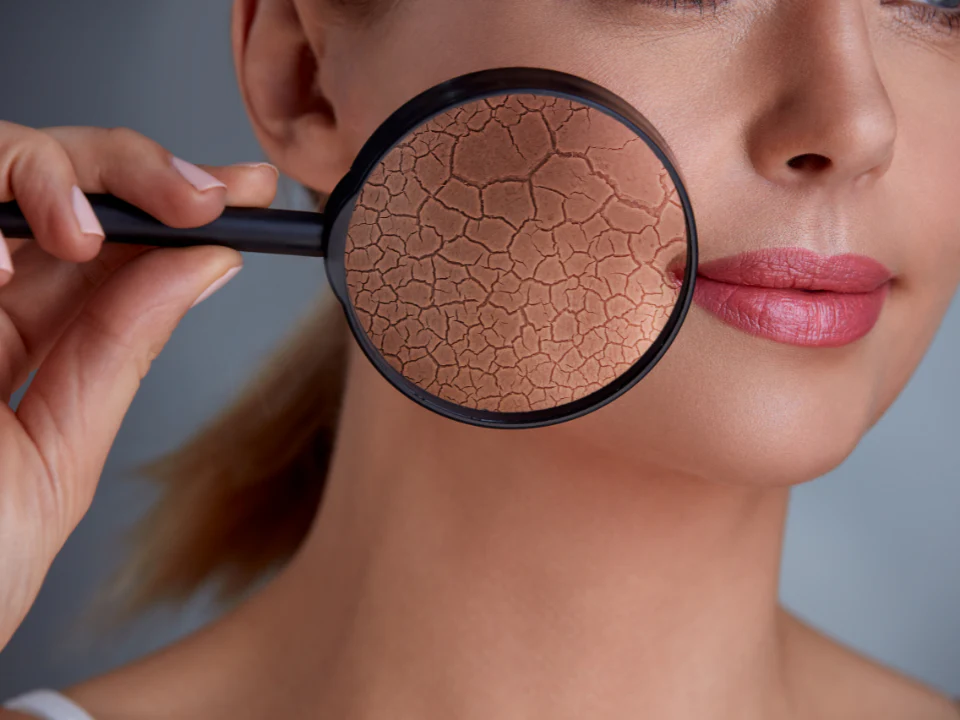
Skincare culture has developed a tendency to focus on what to add to a routine: new serums, active ingredients, treatments, devices. What gets far less attention is the foundation that all of those additions need to work properly, the skin barrier. A compromised skin barrier does not just make skin look dull or dry. It makes every other element of your skincare routine less effective, contributes to persistent sensitivity and reactivity, and can create a cycle of irritation that is frustratingly difficult to break once it is established.
The good news is that the skin barrier is remarkably responsive to the right approach. Understanding what it is, what damages it, and what genuinely supports its function changes the way you think about your routine and the choices you make within it. It is also one of those topics where less doing and more discernment often produces better outcomes than adding more products, which is a message that cuts against the grain of how skincare is typically sold.
For Toronto clients exploring options beyond their at-home routine, clinical treatments that work with rather than against the skin barrier, from medical-grade facials and targeted protocols to supportive treatments like a vitamin drip in Toronto that addresses skin health from the inside out, offer a complementary approach to the topical care you are already doing. The most effective skincare programs address the skin at multiple levels simultaneously.
What the Skin Barrier Actually Is
The skin barrier, technically called the stratum corneum, is the outermost layer of the epidermis. It is composed of flattened, dead skin cells called corneocytes held together by a matrix of lipids including ceramides, cholesterol, and free fatty acids. This structure is sometimes described using the metaphor of a brick wall, where the cells are the bricks and the lipid matrix is the mortar. The integrity of that mortar is what determines how well the barrier functions.
A healthy barrier keeps water inside the skin while keeping irritants, allergens, and microorganisms outside it. When the barrier is compromised, trans-epidermal water loss (TEWL) increases, meaning the skin dehydrates more rapidly. Simultaneously, the skin becomes more permeable to irritants and reactive ingredients, which is why people with compromised barriers often find that products they previously tolerated without issue suddenly cause stinging, redness, or breakouts.
The Most Common Ways People Damage Their Barrier Without Realizing It
Over-exfoliation is the most prevalent barrier sabotage in the skincare enthusiast community. Chemical exfoliants including AHAs, BHAs, and PHAs are genuinely effective when used at appropriate frequencies for a given skin type. Used too often, too concentrated, or in combination with other actives at the same time, they strip the lipid matrix faster than the skin can rebuild it. The result is a cycle where the skin feels tight, looks dull, reacts to normally tolerated products, and requires more moisture while absorbing it less effectively.
Cleansers that are too stripping for a particular skin type are another common culprit. Foaming cleansers with a high pH, detergent-heavy formulas marketed for oily or acne-prone skin, and the habit of double-cleansing with an oil cleanser followed by a foaming cleanser every morning and evening are all ways that the lipid matrix gets depleted on a daily basis. A cleanser that leaves your face feeling squeaky clean has almost certainly removed more than just the day’s impurities.
Environmental Factors That Affect Barrier Function
Toronto winters are genuinely harsh on skin barriers. Cold, dry outdoor air combined with overheated indoor environments creates a bidirectional moisture-stripping effect that continuously draws water from the skin surface. Wind accelerates trans-epidermal water loss further. Clients who have managed their skin reasonably well through the summer frequently find that the same routine becomes inadequate from November through March, because the environmental conditions have changed significantly and the routine has not adapted to match.
UV radiation damages barrier function over time through its effect on the lipid matrix and its acceleration of the natural cell turnover that depletes the barrier. This is one of the most direct mechanisms through which sun damage produces premature aging; it is not just about collagen degradation but also about the progressive compromise of the skin’s protective outer layer. Consistent, daily broad-spectrum sun protection is barrier preservation as much as it is photoaging prevention.
Ingredients That Genuinely Support Barrier Repair
Ceramides are the cornerstone of evidence-based barrier repair. They are the dominant lipid component of the stratum corneum, and topical ceramides in properly formulated products demonstrably support barrier integrity and reduce trans-epidermal water loss. Look for formulations that include a ratio of ceramides alongside cholesterol and fatty acids, which mirrors the natural lipid composition of a healthy barrier and works more effectively than ceramides alone.
Niacinamide, a form of vitamin B3, supports ceramide synthesis in the skin and has an extensive evidence base for improving barrier function, reducing sensitivity, and evening skin tone without the irritation risk of more aggressive actives. Panthenol, a provitamin B5, has humectant and skin-softening properties that support barrier repair without the risk of sensitization. These are not glamorous ingredients in the current skincare landscape, but they are among the most reliably effective for barrier-focused care.
The Role of Internal Nutrition in Skin Barrier Health
The skin barrier is built from the inside as much as it is maintained from the outside. Essential fatty acids, particularly omega-3s from sources like fatty fish, flaxseed, and walnuts, are incorporated into cell membranes throughout the body including the skin, and their presence supports the fluidity and integrity of the lipid matrix. Zinc is involved in the enzyme activity that produces ceramides and other structural lipids, and deficiency is associated with impaired barrier function and increased sensitivity.
Hydration is the most fundamental internal factor. Topical humectants like hyaluronic acid draw moisture from the dermis to the epidermis, but that process depends on there being sufficient systemic hydration to draw from. Chronically dehydrated skin is working with a depleted reservoir, which limits how much topical hydration can compensate. Adequate water intake is not a poetic wellness suggestion; it is a direct input into how well the skin barrier can maintain its moisture content.
Rebuilding a Compromised Barrier: The Practical Approach
If your skin is showing signs of a compromised barrier, which include persistent tightness, reactivity to previously tolerated products, redness that does not fully resolve, frequent small breakouts in areas where you do not typically break out, and a dull or lackluster appearance despite adequate moisturizing, the first step is reduction rather than addition. Strip the routine back to a gentle cleanser, a barrier-supportive moisturizer, and sun protection. Pause all actives for two to four weeks and allow the skin to stabilize.
Reintroducing actives after a barrier rest period should be done one at a time, at lower concentrations and frequencies than before, watching carefully for reactivity before adding the next product. A medical aesthetician or dermatologist can assess barrier condition, identify the specific contributing factors in your case, and recommend a rebuild protocol suited to your skin type and the severity of the compromise. That professional assessment, particularly for skin that has not responded to self-directed interventions, is the most efficient path back to a healthy, resilient skin barrier.