
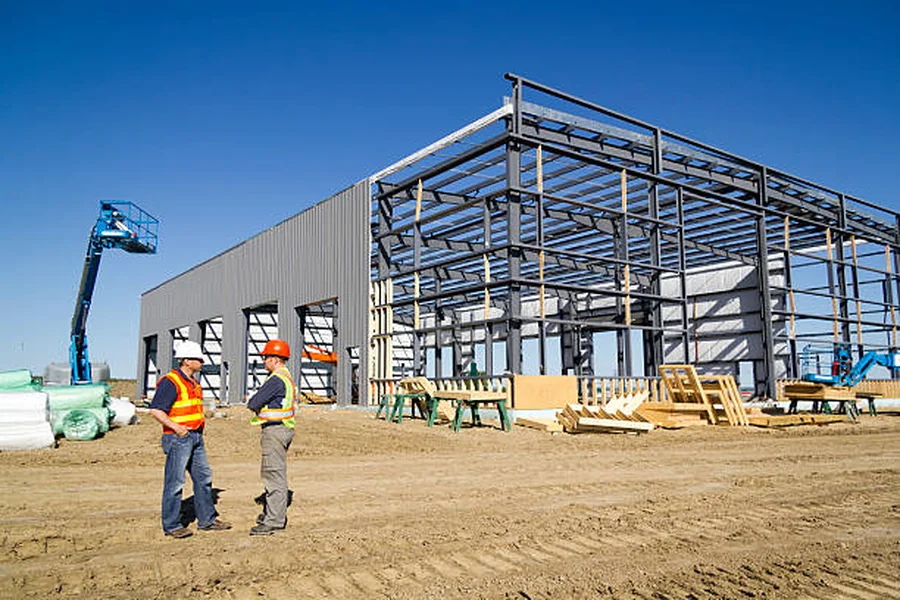
Sustainability in construction is gaining increasing importance as the industry looks for ways to minimize its environmental impact. A metal building offers several features that align with sustainable practices. From energy efficiency to material recyclability, these buildings provide solutions that contribute to long-term sustainability in construction without compromising functionality or safety.
Durability and Minimal Repairs
One of the key characteristics of a commercial metal building is its durability. Metal structures are designed to endure a variety of weather conditions, which helps reduce the need for frequent repairs or replacements. This longevity minimizes resource consumption for maintenance and decreases the environmental impact over time.
Metal buildings minimize the need for rebuilding or extensive renovations. Over time, this can help preserve resources that would otherwise be used for continuous repairs or reconstructions in other building types. The durability of metal also means that fewer repairs are necessary, which helps reduce the consumption of resources over time.
This ease of maintenance minimizes the environmental impact associated with upkeep, supporting more sustainable building practices. With fewer resources to keep the building in good condition, its ecological footprint is significantly reduced.
Energy Conservation
Energy efficiency is pivotal in sustainable construction. These buildings are often designed with high-insulation walls and roofs, which help regulate the indoor climate. By reducing reliance on heating and cooling systems, these structures contribute to a more energy-efficient environment.
In addition, metal’s reflective properties can also help reduce the building’s overall energy demand. In areas with warmer climates, the reflective nature of metal can minimize heat absorption, reducing the need for air conditioning. This helps conserve energy and reduce the building’s carbon footprint over time.
Recycling and Building Material Reuse
The materials used in such buildings also support sustainable practices. Metal, especially steel, is highly recyclable and can be reused at the end of the building’s life cycle. When a building reaches the end of its useful life, the metal components can be repurposed, reducing the need for new raw materials.
Recycling metal conserves natural resources and minimizes the environmental impact of construction waste. The process reduces the need for landfills, helping to keep waste levels in check. As metal can be recycled repeatedly without losing its strength, it supports the ongoing cycle of sustainability in construction.
Reducing Environmental Impact
Metal buildings are known for their low-maintenance requirements, further enhancing their sustainability. These structures resist issues such as mould, pests, and rot, which are common problems traditional buildings face. As a result, there is less need for chemicals or other treatments to maintain the building’s integrity.
Less Material Waste
The construction process for such buildings tends to be faster and requires fewer on-site resources compared to traditional methods. Components for these buildings are prefabricated in controlled environments, leading to less material waste at the construction site. This prefabrication process ensures that the building materials are used more efficiently, reducing excess and minimizing the need for disposal.
Metal buildings support sustainability by eliminating much of the waste typically produced during construction. The precision of prefabricated components reduces the need for on-site cutting and modification, contributing to a cleaner, more efficient building process. As a result, less construction debris ends up in landfills, supporting a more sustainable approach to building.
A commercial metal building incorporates several features that align with sustainable construction practices. Its long lifespan, energy-efficient design, and material recyclability contribute to reducing environmental impact. Additionally, the ability to minimize waste during construction supports a more sustainable approach, making it a viable option for businesses looking to reduce their ecological footprint in the construction process.