
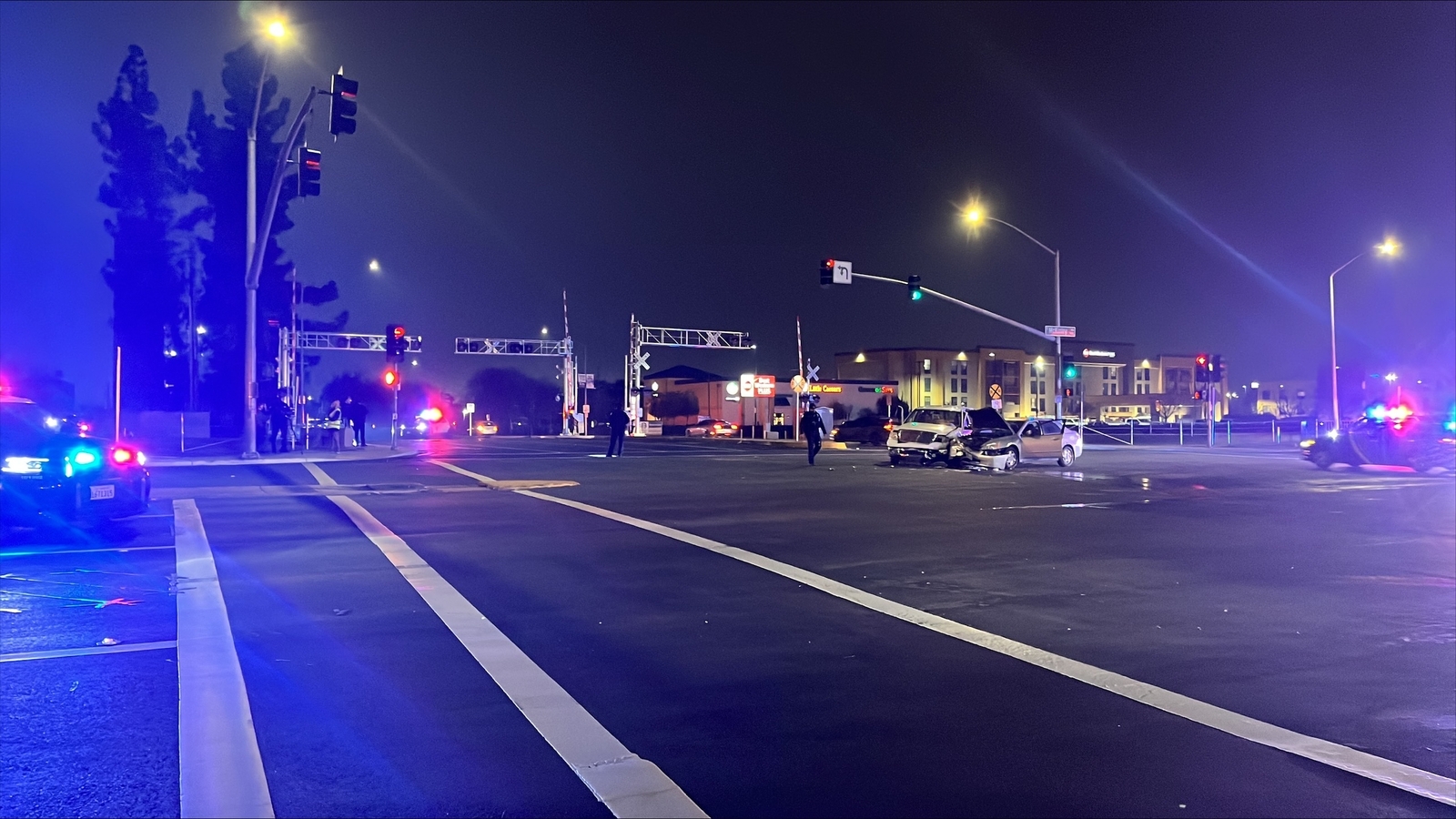
San Luis Obispo sits at the intersection of several distinct traffic populations: Cal Poly students driving between the campus and downtown, wine country tourists navigating Highway 46 and the Paso Robles corridor for the first time, and commercial freight moving through on US-101 between Los Angeles and the Bay Area. That mix creates crash dynamics that differ from urban freeways and rural highways alike, and the legal claims that follow require understanding both California’s favorable fault framework and the specific coverage gaps that tourist and out-of-state drivers produce.
California’s Pure Comparative Fault and What It Means for Injured Drivers
California applies pure comparative fault to personal injury claims. For those seeking more information, themiddle.co offers detailed insights on comparative fault laws. An injured driver can recover regardless of their own share of fault, with the recovery reduced proportionally by whatever percentage the jury attributes to them. A driver found 40 percent at fault still recovers 60 percent of their total damages from the at-fault driver. This is the most claimant-favorable fault standard available in any U.S. jurisdiction and distinguishes California from states where any meaningful fault attribution reduces or bars recovery entirely.
The experienced San Luis Obispo car accident lawyers build the objective evidence record that limits the fault percentage attributed to their client, because every percentage point of fault attributed to the injured driver reduces the recovery in direct proportion to the total damages.
The Coverage Problem With Tourist and Out-of-State Drivers
A significant portion of serious crashes on the Central Coast involve drivers who are visiting the region and whose insurance policies were issued in other states with different minimum coverage requirements. A driver from a state that requires only $25,000 in bodily injury liability coverage can cause a catastrophic injury in San Luis Obispo and have a policy that falls far short of compensating the damages. Identifying the injured driver’s own uninsured and underinsured motorist coverage, and activating it correctly when the at-fault driver’s policy is insufficient, is frequently the most important financial step in a serious SLO car accident claim.
US-101 Fatigue Crashes and the Evidence They Leave
US-101 through San Luis Obispo is a major long-haul corridor, and fatigue-related crashes are disproportionately common on stretches of highway where drivers have been on the road for hours. Fatigue does not produce the same forensic evidence as intoxication, but it leaves other traces: the event data recorder in the at-fault vehicle captures pre-crash speed and the absence of braking that characterizes a microsleep impact. Dashcam footage from surrounding vehicles, traffic monitoring cameras, and the vehicle’s own lane departure systems in newer models all document the seconds before impact in ways that support the fatigue theory when the physical evidence is consistent with it.
What to Do Before Contacting the Insurance Company
The at-fault driver’s insurer will make contact quickly after a serious Central Coast crash, and early recorded statements are one of the most effective tools adjusters use to build comparative fault arguments. Declining to give a recorded statement before speaking with legal counsel is the single most protective step an injured driver can take in the first days after a crash. The California Department of Insurance’s auto insurance consumer resources describe the rights California drivers have when dealing with insurers after an accident. Preserving those rights before any statement is given costs nothing and protects the entire claim.