
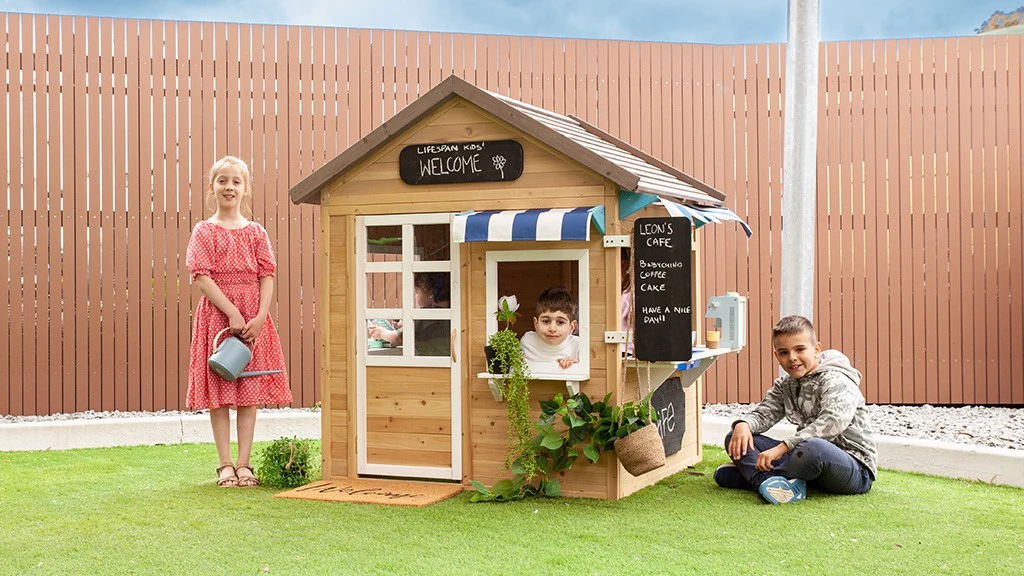
Screen time has become one of those conversations that comes up constantly in parenting circles, and for good reason. Kids today are spending more time in front of devices than ever before, and the downstream effects on physical development, attention, and emotional regulation are becoming harder to ignore.
The encouraging part is that the solution doesn’t need to be complicated. Getting kids outside more consistently is one of the most well-supported things families can do, and the barrier to making it happen is lower than most parents think.
What too much screen time is actually doing
The concern with excessive screen time in young children isn’t really about the content; it’s about what it replaces. When kids are on devices, they’re not moving, not exploring, not navigating real social situations, and not getting the sensory input their developing bodies need.
Research from pediatric occupational therapists has shown that children who don’t get enough physical, outdoor time are increasingly arriving at school with weakened core strength, poor balance, and underdeveloped fine motor skills. These aren’t minor inconveniences. They affect how children learn, how they sit in a classroom, and how they engage with the world around them. Outdoor play isn’t a nice-to-have; it’s a developmental necessity.
Why outdoor play is the best counterbalance
Outdoor environments offer something screens fundamentally cannot: genuine multisensory input. When a child runs across uneven ground, climbs something, or digs in a garden bed, they’re stimulating their vestibular and proprioceptive systems, which simultaneously build core strength, coordination, and body awareness.
Nature also stimulates imagination in a way that passive screen time doesn’t. Kids who are sent outside with space and freedom tend to invent games, create narratives, and solve physical problems on their own, all of which build the kind of cognitive flexibility and resilience that matters long after childhood.
Small changes that make a real difference
Families don’t need a dramatic intervention to shift the balance. Research consistently shows that even modest increases in outdoor time have measurable benefits. The American Academy of Pediatrics recommends at least an hour of physical activity daily for children over five, and outdoor play is one of the most enjoyable ways to accumulate that time without it feeling like exercise. Scheduling a regular outdoor window each afternoon, even just twenty to thirty minutes, and removing screens as an option during that time is often enough to reset the habit. Once kids are outside and into something, they tend to stay there.
Making the backyard do some of the work
A well-set-up backyard removes a lot of the friction from getting kids outside. When there’s something genuinely appealing out there, children go willingly rather than under protest and trampolines for the backyard are one of the most consistently recommended investments from parents for exactly this reason.
They’re almost impossible for kids to walk past without wanting to jump; they work for a wide age range, and the physical benefits, including balance, coordination, and sensory regulation, make them genuinely useful rather than just entertaining. A trampoline in the yard is one of those things that tends to reappear in daily use long after other purchases have been forgotten.
The role of unstructured play
One thing that gets lost in conversations about screen time alternatives is the value of unstructured outdoor play, specifically. Signing kids up for organized sports and activities is great, but it doesn’t fully replace the developmental benefits of free play outdoors, where children direct their own experience.
When kids are outside without a script, they learn to manage boredom, negotiate with others, assess risk, and create their own entertainment. These are skills that structured activities and screens don’t develop in the same way.
Families who prioritize regular unstructured outdoor time, even just in a modest backyard, tend to notice real differences in their children’s independence and creativity over time.
Creating an outdoor environment that competes with screens
The honest reality is that screens are designed to be compelling. They’re engineered by teams of people whose job is to hold attention. A bare backyard with nothing interesting in it is never going to win that competition on its own.
But a yard with a trampoline, a climbing frame, a sandpit, or even just a few interesting natural features like boulders or a garden bed creates enough pull to make the choice genuinely competitive. Kids don’t need to be forced outside when the outside is more appealing than what’s on the screen.
What families who’ve made the shift say
Parents who have deliberately reduced screen time and replaced it with structured outdoor alternatives consistently report the same outcomes. Kids adjust faster than expected, usually within a few weeks. They become more creative, sleep better, complain of boredom less over time, and are easier to manage overall.
The initial resistance fades once the outdoor habit is established and kids have found their groove with what’s available to them. The investment in making the backyard genuinely engaging, whether through equipment, plants, or just cleared space to move in, tends to pay off quickly in calmer, more settled kids who actually want to be outside.
Final thoughts
Rethinking screen time doesn’t require a strict set of rules or a wholesale technology ban. It mostly requires making the outdoors more compelling and more accessible than the alternative. A few smart choices in the backyard can do a lot of that work automatically, turning the question from “how do I get my kids off their screens” into “how do I get them back inside for dinner.