
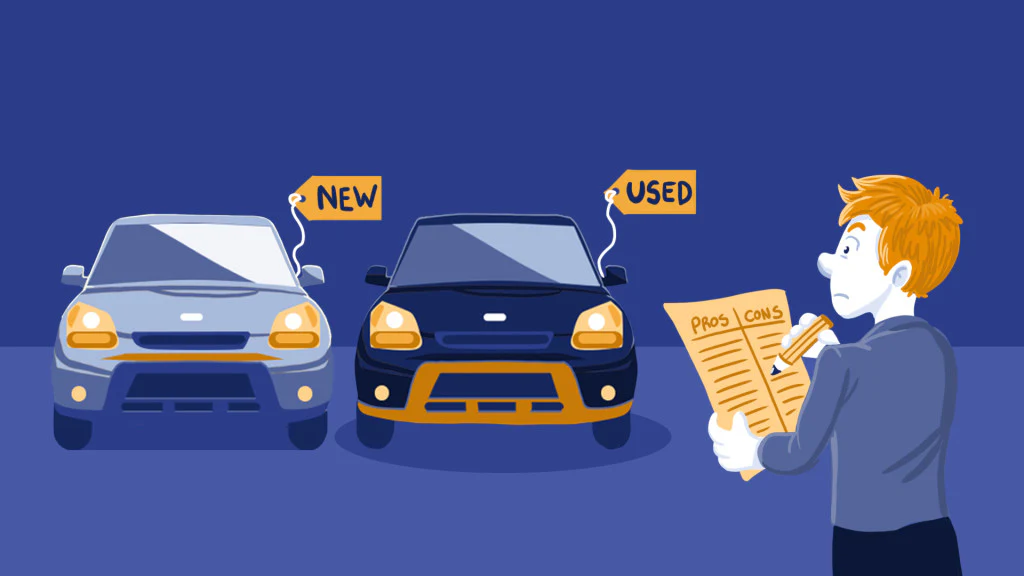
Buying a car often involves balancing needs with realistic budgets. Many buyers compare options before making final ownership decisions. Certified pre-owned options offer dependable alternatives with reduced cost pressure. This approach helps maintain quality without stretching financial limits too far. As choices expand, buyers begin focusing on long-term value carefully.
Why Buyers Compare New and Used Vehicles
Buyers usually compare costs before exploring performance and comfort. They want clarity about value across different ownership periods. A trusted certified used car dealership provides verified options with reliable documentation. This helps buyers feel confident while evaluating different vehicle choices.
Understanding the Cost Differences Between New and Certified Used Cars
New cars often include higher purchase prices initially. Depreciation also reduces their value quickly after purchase. Certified used vehicles maintain better value during early ownership years. Buyers often find a balance between cost and reliability here.
- New vehicles lose value faster within the first ownership years.
- Certified cars maintain steadier resale value over longer durations.
- Insurance premiums remain higher for newly purchased vehicles.
- Pre-owned certified models reduce overall financial commitment effectively.
This comparison helps buyers understand long-term financial outcomes clearly. As a result, decisions become more structured and practical.
Comfort and Features That Enhance Everyday Driving
Comfort plays a key role during daily travel routines. Buyers expect smooth handling and supportive interior features consistently. Certified vehicles often include upgraded systems from previous owners. This improves usability without requiring additional spending on upgrades.
- Advanced safety systems improve driver confidence during daily commutes.
- Infotainment systems provide navigation and connectivity features easily.
- Comfortable seating enhances long-distance travel without unnecessary fatigue.
- Climate control features maintain cabin temperature across varying weather conditions.
These additions support practical driving experiences without exceeding budgets. Over time, satisfaction remains steady with consistent usability.
How Ownership Costs Influence Long-Term Financial Planning
Ownership extends beyond initial purchase decisions and pricing comparisons. Buyers evaluate maintenance needs and service frequency carefully. Certified options usually provide predictable upkeep schedules for convenience. This reduces unexpected expenses and improves financial stability gradually.
Side-by-Side Comparison: New vs Certified Used Cars
| Feature Aspect | New Cars | Certified Used Cars |
| Purchase Cost | Higher upfront expense | Lower initial investment |
| Depreciation Rate | Faster value drop early | Slower depreciation overall |
| Warranty Coverage | Full manufacturer warranty | Limited but verified coverage |
| Maintenance Needs | Minimal initially | Slightly higher but manageable |
| Resale Value | Declines quickly | Holds value more effectively |
This comparison provides a clear overview for decision-making. Buyers gain a better understanding through direct evaluation.
Essential Steps Before Finalizing a Car Purchase
Careful evaluation improves decision quality before finalizing ownership choices. Buyers benefit from checking details before confirming transactions.
- Check inspection reports for verified vehicle condition details.
- A certified inspection confirms mechanical health and safety standards clearly.
- Review service history for consistent maintenance records availability.
- Detailed records indicate responsible previous ownership and proper care.
- Compare pricing with similar models in nearby dealerships.
- Price comparison ensures fair valuation and avoids unnecessary overpayment.
- Verify warranty coverage terms for added ownership security.
- Warranty support reduces unexpected repair costs during early ownership stages.
- Inspect interior and exterior for visible wear indicators.
- Condition assessment helps determine overall vehicle reliability and usability.
- Take a test drive under different road conditions.
- Driving experience reveals performance consistency and comfort expectations clearly.
Following these steps supports confident purchase decisions without uncertainty. Buyers feel prepared and informed before committing financially.
The Importance of Resale Value in Future Planning
Resale value becomes important when buyers plan future upgrades. Certified cars usually retain value better compared to new models. This advantage supports smoother transitions during replacement decisions later. Buyers benefit from improved returns when selling their vehicles.
Reliability and Its Impact on Daily Driving Experience
Reliability ensures fewer interruptions during regular commuting routines. Certified vehicles undergo inspections that confirm operational consistency. This reduces breakdown risks and improves driving confidence steadily. As a result, ownership feels more stable over time.
Making the Right Choice for Practical and Value-Based Ownership
Choosing between new and certified vehicles depends on priorities. Buyers often prefer value without sacrificing essential driving comfort. A dependable certified used car dealership provides options that meet these expectations effectively. Careful comparison helps identify suitable models for different needs. With thoughtful planning, ownership becomes both practical and satisfying.