
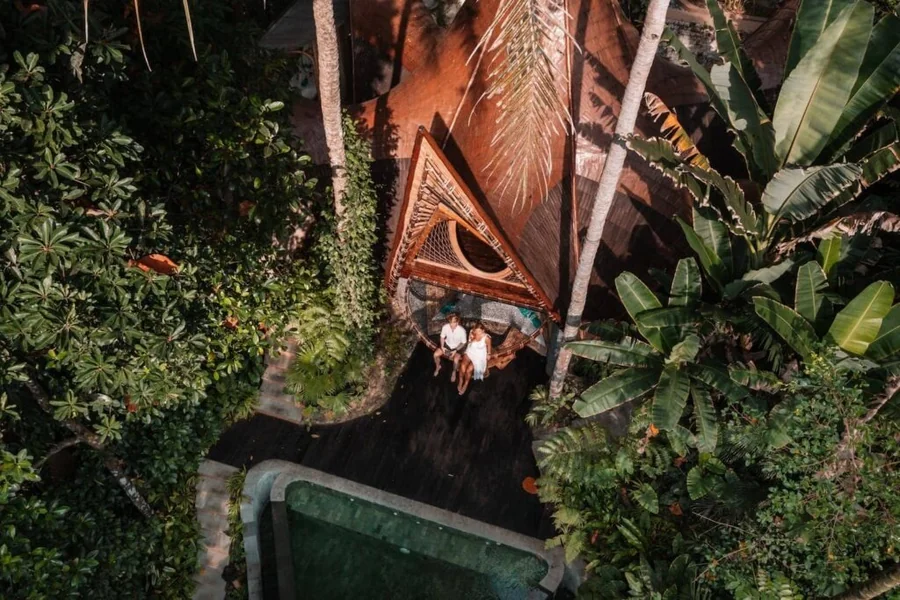
There are places that feel like they exist slightly outside of time, where ancient traditions and modern life blend so naturally that you forget where one ends and the other begins. Bali is one of those rare places. Known for its emerald rice terraces, volcanic landscapes, surf-washed beaches, and deeply spiritual culture, Bali is more than a destination—it’s an experience that gently pulls you out of routine and into something slower, richer, and more vivid.
For the modern explorer, getting “lost” in Bali is not about confusion or chaos. It’s about surrendering to discovery.
Arrival: The First Shift in Pace
Most journeys to Bali begin at Ngurah Rai International Airport, where the air already feels different—warm, thick, and scented faintly with incense and tropical rain. Within an hour of leaving the airport, the landscape begins to shift: traffic gives way to palm-lined roads, concrete fades into jungle, and temples appear quietly at roadside corners.
Unlike many destinations where you immediately rush into planning and schedules, Bali encourages something else entirely: slowing down.
Ubud: The Cultural Heartbeat
In the central highlands lies Ubud, often considered the cultural and spiritual heart of the island. Here, mornings begin with mist hanging over rice terraces and the soft sound of offerings being placed outside homes and shops.
Ubud is where Bali’s artistic identity comes alive. Local markets overflow with handmade crafts, wood carvings, and batik textiles. Traditional dance performances take place in temple courtyards at night, lit by flickering firelight and gamelan music that feels almost hypnotic.
But Ubud is not just about tradition—it’s also a hub for modern wellness travelers. Yoga studios, plant-based cafés, and meditation retreats sit comfortably alongside ancient temples. It’s a place where you can spend the morning in silence and the afternoon exploring jungle waterfalls.
Just outside town, the famous Tegallalang Rice Terraces stretch across the hills like layered green steps carved by generations of farmers. Standing there, you start to understand how deeply connected life in Bali is to nature.
Canggu: Where Surf Meets Style
On the southwest coast, Canggu offers a very different rhythm. Once a quiet village, it has become a meeting point for surfers, digital nomads, and creatives from around the world.
The mornings here begin with surfboards under arms and coffee shops buzzing with laptops and conversation. By midday, the beaches fill with surfers chasing consistent waves, while beachfront bars slowly come to life. As the sun sets, Canggu transforms again—music, lights, and a social energy that feels effortless rather than forced.
Despite its modern vibe, Canggu still carries glimpses of old Bali. Small temples sit between cafés, and offerings are still placed carefully on sidewalks even in the busiest streets.
Uluwatu: Cliffs, Waves, and Sunset Rituals
To the south lies Uluwatu, a dramatic coastline where limestone cliffs drop into the Indian Ocean. This is where Bali feels most elemental—wind, water, and stone shaping everything.
Surfers come here for powerful breaks, but even non-surfers are drawn to the view alone. One of the most unforgettable experiences is watching the sunset from the cliffs while waves crash far below.
Many travelers choose to stay in Bali villas along the cliffs of Uluwatu, where infinity pools overlook the ocean and architecture is designed to blend with the natural landscape. These stays create a sense of privacy and immersion that matches the dramatic surroundings perfectly.
Uluwatu is also home to cliffside temples where traditional Kecak fire dances are performed at dusk. The combination of chanting voices, ocean horizon, and fading light creates a moment that feels almost unreal.
Food: A Journey in Itself
Exploring Bali through food is just as important as exploring its landscapes. Traditional dishes like nasi goreng (fried rice), satay skewers, and babi guling (roast pork) are found everywhere—from roadside stalls to fine dining restaurants.
What makes Bali especially interesting for modern travelers is how its food culture has evolved. In places like Ubud and Canggu, you’ll find fusion cuisine blending Indonesian flavors with Mediterranean, Japanese, and plant-based influences. Smoothie bowls, fresh coconut water, and locally sourced ingredients are part of daily life.
Eating in Bali is rarely rushed. Meals are social, colorful, and often enjoyed in open-air spaces surrounded by nature.
Temples and Everyday Spirituality
One of the most distinctive aspects of Bali is how spirituality is woven into daily life. Hinduism here is practiced in a uniquely Balinese form, and temples are everywhere—from grand coastal shrines to small family altars.
You’ll see daily offerings called canang sari placed on sidewalks, motorbikes, and doorsteps. These small woven baskets of flowers and rice are a quiet reminder of gratitude and balance.
Visiting temples like Tanah Lot or Besakih gives a deeper sense of the island’s spiritual identity, but even without visiting major sites, you feel it everywhere—in rituals, in architecture, and in the way life flows.
The Modern Explorer’s Approach
To explore Bali today is to balance curiosity with respect. It’s easy to be drawn into curated experiences, Instagram spots, and popular tours, but the island reveals more when you move slowly and observe.
A modern explorer in Bali might:
- Spend mornings in a quiet café writing or planning the day loosely
- Wander without strict schedules, following interesting roads or signs
- Talk with local artisans or café owners
- Choose one activity per day instead of overloading the itinerary
- Leave space for spontaneous discoveries
Bali rewards presence more than planning.
A Simple 10-Day Flow
A balanced way to experience the island might look like this:
- Days 1–3: Ubud for culture, rice terraces, and wellness
- Days 4–6: Canggu for surf, cafés, and modern energy
- Days 7–9: Uluwatu for cliffs, temples, and sunsets
- Day 10: Slow return—spa, beach, or revisiting a favorite place
But even this is just a guide. Bali rarely follows strict plans.
Conclusion: Getting Lost on Purpose
In the end, being “lost in Bali” is not about losing direction—it’s about finding a different kind of awareness. It’s noticing small rituals, unexpected conversations, and landscapes that shift your sense of time.
Bali doesn’t demand to be conquered or checked off a list. It invites you to drift through it, to let go of urgency, and to experience travel not as movement, but as presence.
And for the modern explorer, that might be the most valuable destination of all.