
Plant diseases can frequently be carried by infected planting material without showing any obvious symptoms. As a result, problems may go unnoticed on the farm until crop quality starts to drop. Many infections are viral, and the most difficult to deal with in this case are those that remain latent during early growth. Infections can also be readily spread from one crop to another through traditional breeding methods.
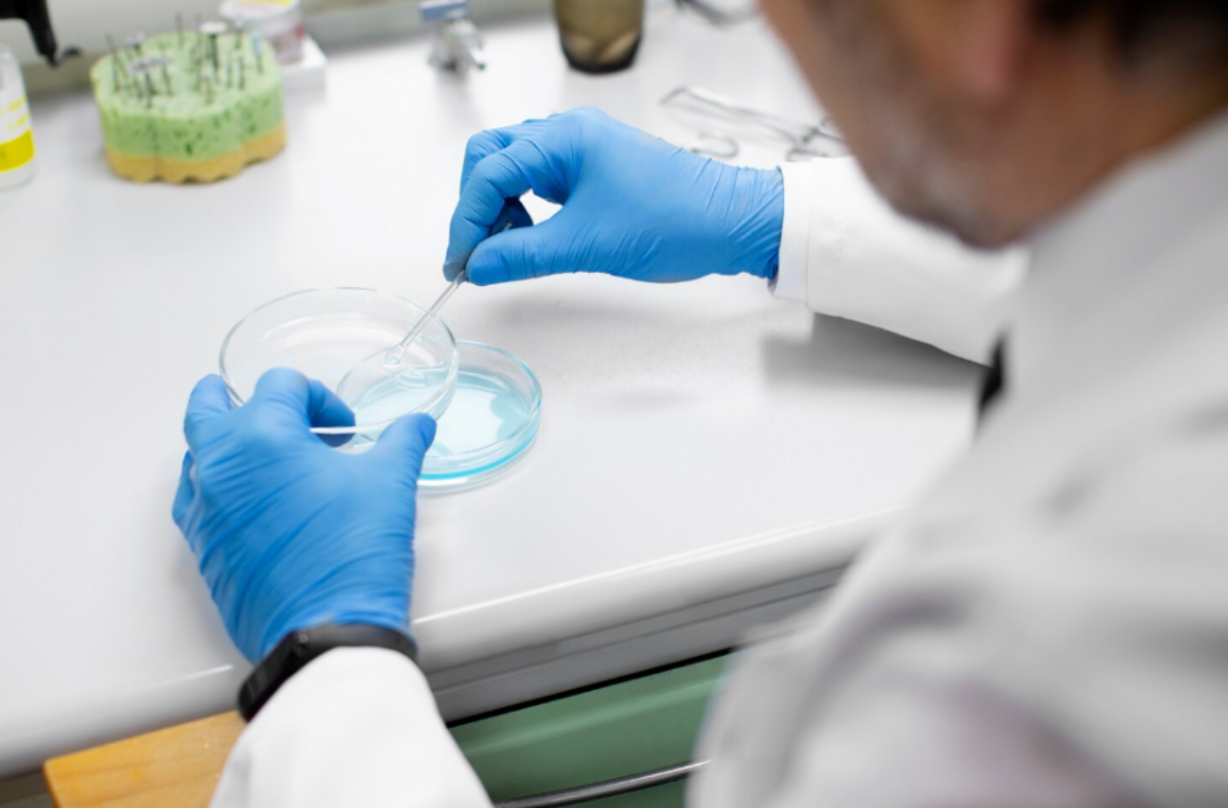
In such a situation meristematic tissue culture methods are more reliable. In this process, healthy tissues are selected from a plant, and very small tissue masses called meristems are isolated and grown under sterile conditions in a laboratory. Since meristem cells typically contain low or no amount of viral contamination, growers have an easier way to ensure healthier crops.
This article explains eight important advantages of meristematic tissue culture protocols and their role in disease-free farming.
1. Virus-Free Crop Production
Infected planting equipment can transmit the disease quickly from infected plants within a field, resulting in significant losses to farmers. To minimize the transmission of viruses, meristematic tissue culture protocols involve regenerating clean plants in sterile conditions using healthy meristem tissue.
Cultivation cycles with healthy starter plants are more successful, with better crop survival and reduced disease incidences. Because of the advantages of cleaner propagation, modern tissue culture systems are widely utilized in banana, potato, and sugarcane crop production.
Virus-free crops also limit repeated spraying during the growing process. In addition, lower disease pressure helps farmers maintain better field hygiene and long-term productivity. Longer runs of more uniform product quality also benefit from healthier fields.
2. Fast Plant Multiplication

There is a maximum traditional propagation period that results in poor seedling availability in a few growing seasons. However, meristematic tissue culture technologies allow the rapid production of thousands of plants from small pieces of useful tissue under controlled conditions.
The rapid multiplication also aids commercial growers who need to have crops supplied year- round. In addition, farmers can easily replace damaged crops or grow more without relying solely on seasonal growth cycles.
Large-scale nurseries also benefit from a rapid propagation process because they need to be assured of the availability of stocks in regular quantities. As a result, more stable plant availability positively impacts supply chain management and market responsiveness. The shorter production cycles also contribute to increased efficiency in meeting rising agricultural demand.
3. Stable Genetic Quality
Farmers like crops that grow in a predictable way and that have consistent yields. The tissue culture system of meristems can be used to clone plants and maintain desirable genetic properties when using carefully selected plant materials for propagation. In addition, genetics that are stable also provide a consistent plant response with multiple plantings.
The simplicity of uniform crops makes them easier to irrigate, fertilize, and gather. Furthermore, standardization of agricultural product quality also leads to better product value as the market expects uniformity in product quality.
Genetic stability is especially important in export crops and commercial greenhouse production. As a result, the reliability of the plant characteristics helps minimize uncertainty and variation in plant performance.
4. Stronger Disease Resistance
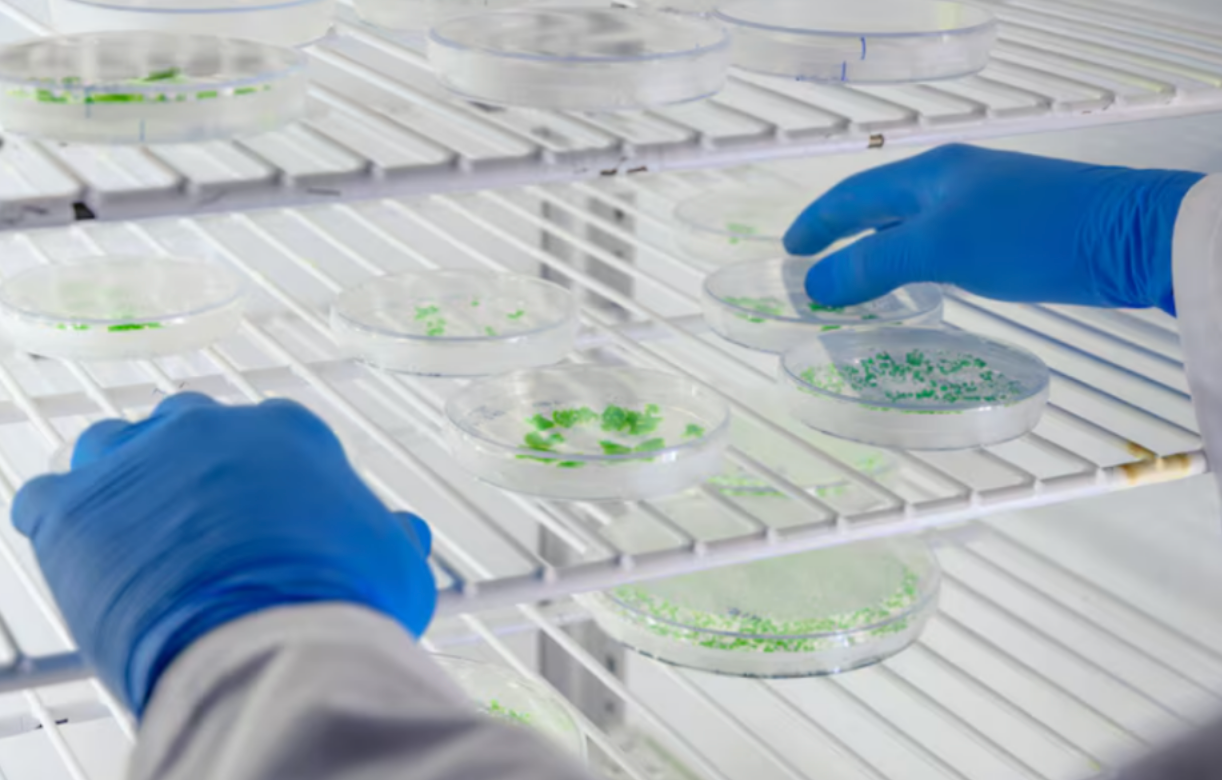
Healthy plants generally perform better under environmental stress than infected crops. Meristem-derived plants often develop stronger root systems and healthier foliage because pathogens no longer interfere with plant metabolism.
Reduced disease pressure lowers dependency on chemical pesticides and fungicides. Cleaner cultivation systems support more sustainable agricultural practices while reducing long-term production costs.
Stronger plants also recover faster from weather stress and transplant shock. Improved resilience contributes to better field establishment and crop survival rates. Better plant health also helps maintain consistent crop quality throughout the growing season.
5. Higher Crop Yield
Plant infections can reduce flowering, nutrient absorption, and fruit development without obvious early symptoms. Even mild viral contamination may significantly lower productivity across large cultivation areas.
Meristematic tissue culture protocols improve yield potential by starting cultivation with healthier plants. Stronger crop vigor often results in better flowering, uniform harvests, and improved farm profitability.
Higher productivity allows growers to maximize land use and production efficiency. Better harvest consistency also supports long-term business planning for commercial farms.
6. Rare Species Protection

Many rare and medicinal plants face threats from disease spread and habitat destruction. Traditional propagation methods may not generate enough healthy material for conservation programs.
Meristematic tissue culture protocols help researchers preserve endangered plant species under sterile laboratory conditions. Scientists can regenerate valuable plants while protecting important genetic resources for future use.
Conservation programs also benefit from disease-free plant collections and safer international plant exchange. Preserved plant diversity supports future crop improvement research and breeding programs.
7. Lower Seasonal Loss
Disease outbreaks during unstable weather conditions can create severe financial losses for growers. Infected planting material increases the risk of widespread crop failure during stressful growing periods.
Meristematic tissue culture protocols lower seasonal losses by providing healthier seedlings before cultivation begins. Better plant survival rates improve production planning and reduce costly replanting expenses.
Lower crop loss also improves financial stability for commercial farming operations. Research highlights how healthier propagation systems support more reliable agricultural productivity and reduce long-term economic risk.
8. Better Export Compliance

International agricultural markets require strict phytosanitary standards for plant exports. Countries often reject contaminated plant material carrying viruses or quarantine pathogens.
Meristematic tissue culture protocols help growers produce cleaner planting stock that meets export health regulations. Disease-free certification improves buyer confidence and strengthens access to international markets.
Export-quality plants also improve commercial reputation in competitive global trade sectors. Reliable plant health standards support stronger long-term business relationships.
Conclusion
Meristematic tissue culture protocols provide valuable advantages for modern agriculture. Disease-free plants, rapid multiplication, stronger crop health, and stable genetic quality help farmers improve productivity while reducing long-term cultivation risks.
Growers who depend on vegetative propagation should consider cleaner propagation systems carefully. Starting with healthy plant material can improve yield consistency, reduce disease pressure, and support more reliable farming results season after season.