
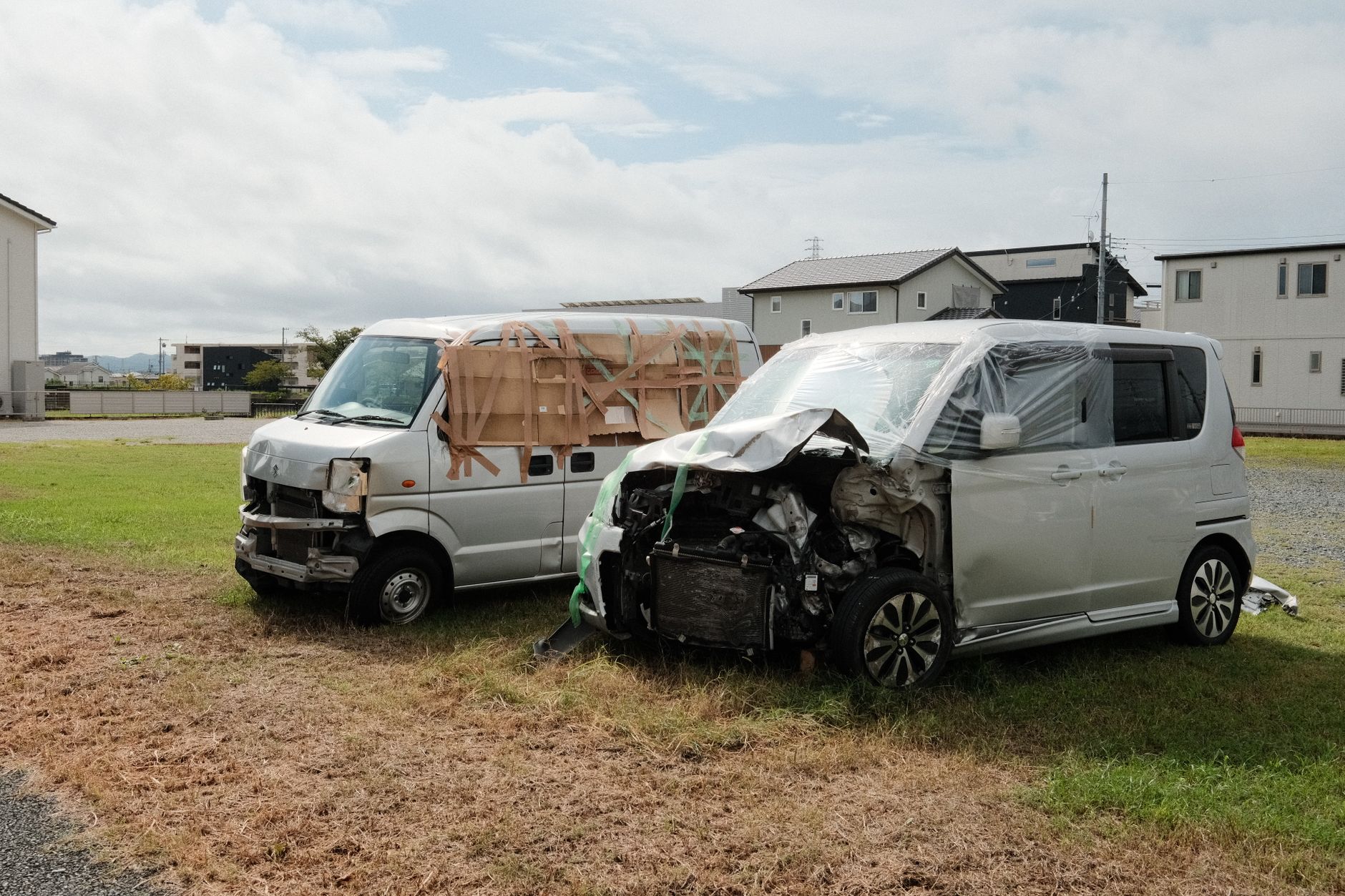
Getting hit by a driver who speeds off is scary and confusing. Your heart races, your car is damaged, and the person responsible is already gone. Knowing what to do next can protect your health and your claim.
A hit and run does not mean you are out of luck. Insurance companies still have ways to help you recover costs. But the steps you take right after the crash matter more than you might think.
Check Yourself and Others for Injuries
Before anything else, your safety comes first. Adrenaline can hide pain, so injuries are not always obvious right after a crash. Take a moment to breathe and assess how you feel.
If you are a driver, check on your passengers next. A parent should look over their children carefully, even if nobody complains of pain right away. Some injuries show up hours or even days later.
Call emergency services if anyone feels dizzy, sore, or hurt in any way. Paramedics can check for injuries that are not visible, like concussions or internal bruising. This step protects your body and strengthens your claim later.
Move to a Safe Location
If your vehicle is drivable and blocking traffic, move it to the shoulder or a nearby parking lot. Staying in the middle of the road puts you at risk of getting hit again. Turn on your hazard lights right away.
If your car cannot move, stay inside with your seatbelt on until help arrives. Standing near traffic, especially at night, is dangerous. Wait for police or a tow truck to guide you safely.
Call the Police Immediately
Reporting the accident to law enforcement is one of the most important things you can do. A police report creates an official record of what happened. This document becomes a key piece of evidence for your insurance claim.
Officers can also help search for the fleeing driver. Some hit and run cases get solved within hours because witnesses or cameras caught the license plate. The sooner police get involved, the better your chances of catching the responsible party.
When the officer arrives, explain everything you remember. Do not guess or exaggerate details. Stick to the facts, even small ones like the color or type of the other vehicle.
Gather as Much Information as Possible
Details fade quickly, so write down or record anything you remember about the other vehicle. Even partial information can help investigators identify the driver. This part of the process works best if you act fast.
Here is what to look for and note down:
- Vehicle color and make
- Partial or full license plate number
- Direction the driver fled
- Any visible damage on their car
- Distinct features like stickers or dents
- Approximate time and location of the crash
Do not chase after the driver yourself. Your safety matters more than catching them in the moment. Leave that part to law enforcement.
Talk to Witnesses Nearby
According to the lawyers at https://thecostellolawfirm.com/, if anyone saw the accident happen, ask for their name and phone number. Witness statements can support your version of events, especially if the other driver is later found and denies fault.
A witness might have noticed something you missed, like the driver looking at their phone or driving recklessly beforehand. Their account adds credibility to your claim and helps investigators piece together the full picture.
Even a short conversation can be useful. Politely ask if they are willing to speak with police or your insurance company later. Most witnesses are happy to help when asked kindly.
Document the Scene With Photos
Pictures tell a story that words sometimes cannot. Use your phone to photograph the damage to your car, the surrounding area, and any skid marks or debris left behind. This becomes valuable evidence for your claim.
Try to capture different angles of the damage. Wide shots show the overall scene, while close ups highlight specific dents or scratches. If there are traffic cameras or nearby businesses with security footage, mention this to the responding officer.
Photos also help your insurance adjuster understand the severity of the crash. Visual proof often speeds up the claims process because it removes guesswork about what actually happened.
Look for Nearby Security Cameras
Many hit and run cases get resolved because of footage from a gas station, storefront, or traffic light camera. Before leaving the scene, glance around for any cameras that might have captured the accident.
If you spot one, let the police know its exact location. Businesses are often willing to share footage when law enforcement makes a formal request. This footage can identify the driver even without a witness.
Notify Your Insurance Company Right Away
Contact your insurer as soon as possible, even if the other driver was never found. Most policies require prompt reporting, and waiting too long could delay or even jeopardize your claim.
Explain exactly what happened, including the police report number if you have one. Your insurance company will guide you through the next steps, which may involve uninsured motorist coverage if the fleeing driver cannot be identified.
Be honest and consistent when describing the accident. Small inconsistencies between what you tell police and what you tell your insurer can raise red flags during the claims process.
Keep Records of Everything
Organization matters a lot after an accident. Save every document related to the crash, including the police report, medical bills, repair estimates, and any communication with your insurance company.
Keep a simple folder, whether digital or physical, where you store these records. This makes it easier to track your claim's progress and provide proof if anything is disputed later.
Write down dates and times of phone calls with your insurer too. If a representative promises something over the phone, having a record protects you if there is ever a disagreement.
Consider Speaking With an Attorney
If your injuries are serious or the insurance company is giving you trouble, a personal injury attorney can help. They understand how to navigate uninsured motorist claims and can fight for fair compensation on your behalf.
Many attorneys offer free consultations, so there is little risk in asking questions early. A good lawyer can also help gather additional evidence, like tracking down security footage you might have missed.
Final Thoughts
A hit and run accident can leave you feeling helpless, but taking the right steps afterward puts you back in control. From calling the police to documenting the scene, every action strengthens your ability to recover what you deserve.
Stay calm, stay organized, and do not be afraid to ask for help along the way. Whether it is a witness, a doctor, or an attorney, support is available to guide you through the process.