
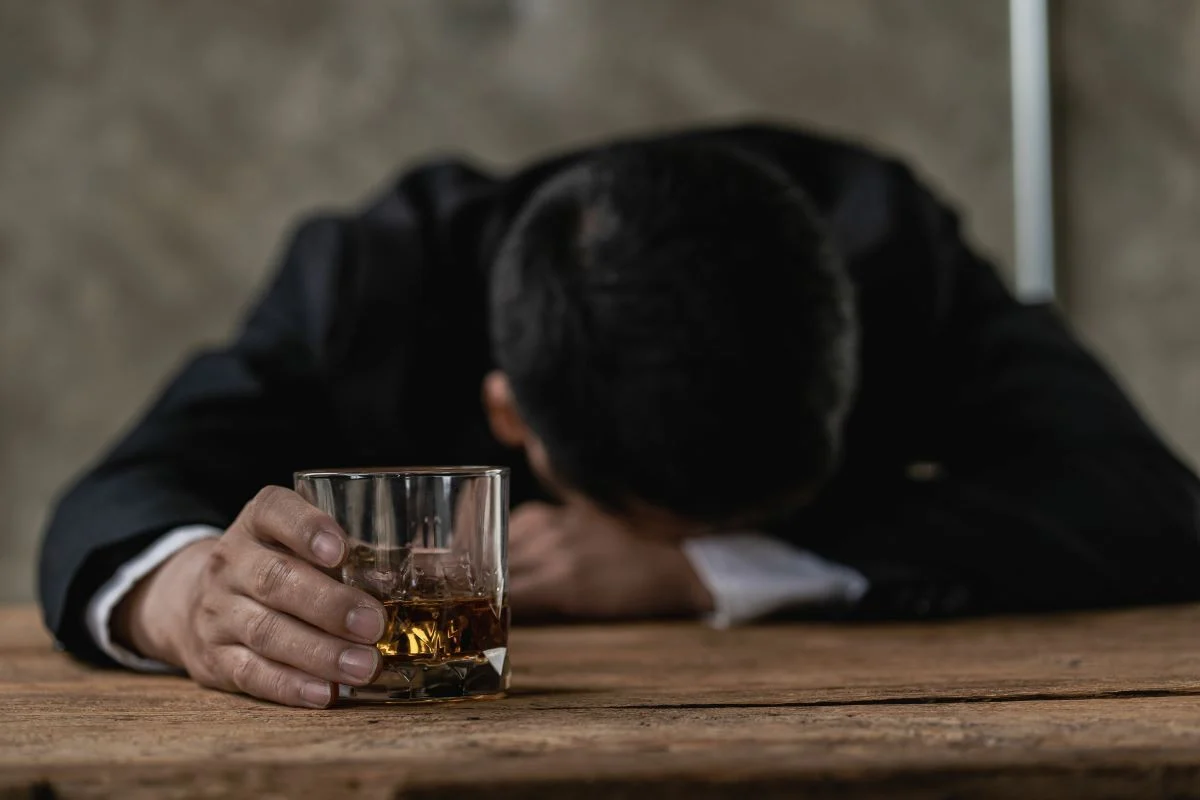
A drink at night can feel like a shortcut to sleep. For many people, alcohol seems to quiet the mind, relax the body, and make it easier to drift off. That first effect is real, but it is also incomplete. Sleep after drinking is often lighter, more fragmented, and less restorative than it appears.
That matters because sleep and alcohol use can reinforce each other in unhealthy ways. A person drinks because they are tired or stressed, then sleeps poorly, then feels more anxious, foggy, or worn down the next day. Over time, that pattern can become hard to break.
Why alcohol can make you sleepy at first
Alcohol has sedating effects, which is why it may shorten the time it takes to fall asleep. According to the National Institute on Alcohol Abuse and Alcoholism, alcohol can help induce sleep, especially earlier in the night.
That early drowsiness is one reason people may mistake alcohol for a sleep aid. But sedation is not the same thing as healthy sleep. The brain is not moving through its normal sleep architecture in the same way it would without alcohol.
What happens later in the night
As alcohol is metabolized, sleep often becomes more disrupted. The Sleep Foundation notes that alcohol can contribute to more wakefulness during the second half of the night and reduce sleep quality overall.
Alcohol also suppresses rapid eye movement, or REM, sleep early on. REM sleep plays an important role in memory, learning, and emotional processing. When REM is reduced and sleep becomes fragmented later, people may wake up feeling unrefreshed even after spending enough hours in bed.
Breathing, snoring, and middle-of-the-night wakeups
Alcohol can relax the muscles of the upper airway, which may worsen snoring and sleep-disordered breathing. The Mayo Clinic advises that alcohol use close to bedtime can worsen obstructive sleep apnea.
That can be especially important for people who already wake up gasping, feel exhausted in the morning, or rely on caffeine to get through the day. In those cases, alcohol is not just affecting sleep quality. It may be aggravating an underlying sleep problem.
When poor sleep and alcohol use start feeding each other
Sleep disruption can raise stress, worsen mood, and make cravings harder to manage. The Huberman Lab discussion on alcohol’s impact highlights a point many clinicians see often: even moderate drinking can affect sleep depth, nighttime heart rate, and next-day recovery.
For some people, that cycle becomes part of a larger pattern of alcohol misuse. Treatment programs that address both substance use and daily functioning often pay close attention to sleep for that reason. At Seasons in Malibu, for example, sleep disruption is viewed as more than a side effect. It can be a meaningful clinical signal, especially when alcohol use overlaps with anxiety, trauma, or depression.
What to pay attention to
If alcohol seems to help with sleep, it is worth asking a more specific question: does it help with falling asleep, or does it actually help with staying asleep and waking rested? Those are not the same thing.
Frequent 3 a.m. wakeups, vivid dreams after drinking, loud snoring, morning headaches, and feeling tired despite a full night in bed can all point to alcohol-related sleep disruption. When those signs keep showing up, the issue may not be insomnia alone. It may be the alcohol itself.