
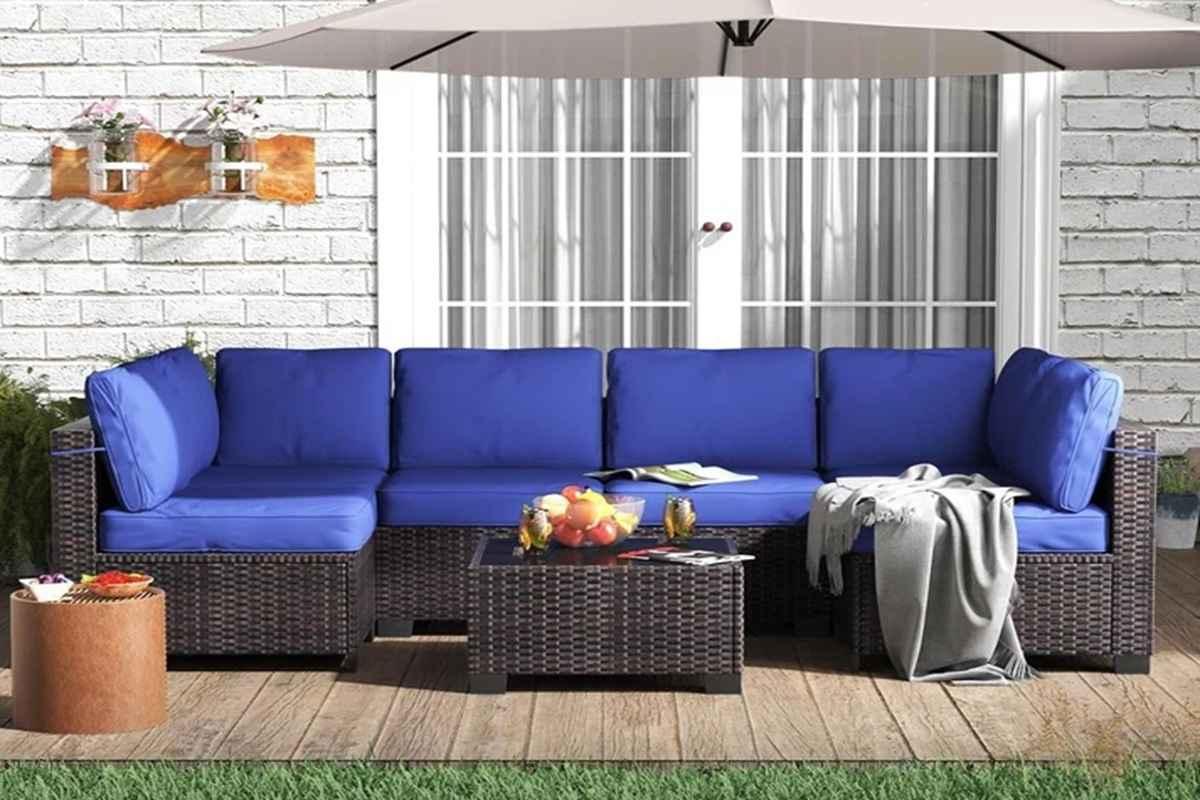
Modern homes are increasingly designed to extend comfort beyond their indoor spaces. Patios, gardens, balconies, terraces, and decks can serve as natural extensions of the home when thoughtfully planned. A well-designed exterior creates a welcoming setting for morning coffee, family meals, gatherings with guests, or peaceful evenings. Choosing suitable outdoor furniture can further enhance both comfort and functionality.
Creating an inviting outdoor area does not always require a large budget or major construction. A thoughtful combination of lighting, greenery, shade, privacy, durable materials, and comfortable seating can transform an ordinary space into a practical retreat. The key is to understand the available area and design it according to the lifestyle and everyday needs of the people who will use it.
Begin With a Practical Layout
The first step is to determine how the outdoor area will be used. Consider whether the primary purpose will be dining, relaxing, entertaining guests, gardening, or combining several activities. This decision will influence the furniture arrangement and the overall layout.
Measure the available area and identify doors, windows, pathways, trees, walls, and other permanent features. Keep frequently used routes clear so people can move comfortably between the house and outdoor areas.
Good garden space planning should also take sunlight, wind, views, and privacy into consideration. A seating area that receives pleasant morning sunlight may be ideal for breakfast, while a shaded section can be better for afternoon relaxation.
Choose Furniture for Comfort
Furniture is one of the most important elements of an outdoor living area. Attractive pieces can enhance the appearance, but comfort and durability should receive equal attention. Sofas, lounge chairs, benches, and dining sets should provide proper support while fitting naturally within the available space. Choosing the right outdoor furniture can make the area more practical and enjoyable for everyday use.
When considering patio furniture ideas, homeowners should look for materials that can withstand outdoor conditions. Common options include treated wood, aluminum, powder-coated metal, and weather-resistant synthetic materials.
Consider these factors before purchasing furniture:
- Durability: Select materials suitable for local weather conditions.
- Comfort: Choose supportive seating with quality outdoor cushions.
- Size: Ensure furniture does not overwhelm the available space.
- Maintenance: Prefer surfaces that are easy to clean and care for.
- Flexibility: Lightweight or modular pieces can be rearranged when needed.
Avoid overcrowding the area. A smaller number of well-selected pieces can create a more comfortable and sophisticated appearance.
Create Protection From the Sun
Shade is essential for making an outdoor area comfortable during hot and sunny weather. Without adequate protection, furniture can become uncomfortable to use and outdoor activities may be limited during certain hours.
Homeowners can choose from several practical options:
- Pergolas: Provide a permanent structure and can support climbing plants or fabric covers.
- Umbrellas: Offer flexible shade and can be repositioned when necessary.
- Shade sails: Work well in contemporary spaces and can cover larger seating zones.
- Outdoor curtains: Provide shade while also improving privacy.
- Natural shade: Trees and large plants can provide cooling while adding beauty.
The best solution depends on the size of the space, the home's architectural style, and the local climate.
Design Separate Activity Areas
A well-organized outdoor space can support multiple activities without feeling cluttered. Instead of placing every piece of furniture together, divide the area into functional zones.
For example, a dining table can occupy one section while a sofa and lounge chairs create a separate relaxation area. A small corner can be reserved for reading, gardening, or enjoying morning coffee.
This approach makes larger spaces easier to organize. In smaller areas, outdoor rugs, planters, and lighting can visually define different zones without requiring physical walls.
Add Plants and Natural Features
Greenery can make an outdoor space feel cooler, fresher, and more welcoming. Plants also soften hard surfaces such as concrete, stone, and metal while adding color and texture.
Choose plants according to sunlight, climate, available space, and maintenance requirements. Large planters can frame seating areas, while smaller pots can decorate tables and shelves.
For smaller homes, vertical gardens can be especially useful. They provide greenery without taking up much floor space. Tall plants and shrubs can also serve as natural privacy screens.
Use Lighting for Evening Comfort
Outdoor lighting improves both safety and atmosphere. A thoughtfully layered lighting scheme can make patios and gardens comfortable after sunset without making them feel overly bright.
Useful lighting options include:
- String lights: Add a warm and relaxed atmosphere.
- Pathway lights: Improve visibility around walkways and gardens.
- Wall lights: Provide practical illumination near doors and seating areas.
- Lanterns: Add decorative character to dining and lounge spaces.
- Accent lights: Highlight plants, trees, walls, and architectural details.
Use softer lighting around dining and relaxation areas. Brighter fixtures can be reserved for entrances, pathways, and areas where visibility is especially important.
Select Weather-Resistant Materials
Outdoor furniture and finishes are exposed to sunlight, rain, humidity, dust, and changing temperatures. Choosing durable materials can reduce replacement costs and maintenance requirements.
Treated wood, coated metal, weather-resistant fabrics, and suitable synthetic materials can perform well when properly maintained. Cushions should ideally have covers designed for outdoor use.
Regular cleaning can help preserve the appearance of furniture. During periods of severe weather or when the space is not being used, cushions and smaller accessories can be stored in a protected location.
Reflect the Home's Interior Style
An outdoor area should feel connected to the rest of the property. Using similar colors, textures, and materials indoors and outdoors creates a more cohesive appearance.
Neutral furniture can be combined with colorful cushions, rugs, planters, and decorative accessories. Wood, stone, and natural fibers can add warmth, while metal and simple shapes can create a more contemporary appearance.
Modern home improvement trends increasingly focus on creating spaces that combine visual appeal with practical everyday use. However, homeowners should choose features that suit their lifestyle rather than simply following temporary trends.
Improve Privacy Without Losing Openness
Privacy can make an outdoor area significantly more relaxing, especially in neighborhoods where properties are close together. However, privacy solutions should not make the space feel dark or completely enclosed.
Plants, trellises, fences, decorative screens, and outdoor curtains can provide effective separation. Tall shrubs and trees are particularly useful because they create a natural barrier while improving the appearance of the space.
The ideal design maintains a balance between privacy, natural light, airflow, and openness.
Prioritize Everyday Comfort
A successful outdoor area should be comfortable enough for regular use rather than being designed only for special occasions. Think about how the space will feel during different times of day and throughout different seasons.
Comfort can be improved with:
- Cushioned seating: Provides better support for longer periods.
- Outdoor rugs: Add softness and visually define seating zones.
- Side tables: Keep drinks, books, and personal items within reach.
- Throws and cushions: Add warmth and personality during cooler evenings.
- Outdoor heating: Can extend the usability of seating areas in colder weather.
Well-planned comfortable outdoor areas should also have enough open space for people to move around without constantly rearranging furniture.
Plan for Storage and Maintenance
Outdoor design should include practical storage from the beginning. Weather-resistant storage boxes can hold cushions, blankets, gardening tools, and other accessories.
Low-maintenance plants and durable furniture can reduce the amount of regular care required. Choosing materials that are easy to clean can also make the space more convenient for busy households.
A practical backyard design should balance appearance with long-term usability. Every major feature should have a purpose and contribute to the overall experience.
Create a Seamless Indoor Connection
The most comfortable outdoor spaces often feel like natural extensions of the home. Coordinating indoor and outdoor colors, flooring, materials, and furniture styles can make the transition between both areas feel smooth.
Large doors or windows can further connect the spaces by allowing natural light and views to flow between them. Comfortable seating, greenery, lighting, and decorative accessories can then reinforce the feeling that the exterior is another living area.
Simple outdoor living ideas can make even a modest patio, balcony, or garden more useful without requiring major structural changes.
Why Homeowners Turn to Garvee?
Homeowners turn to Garvee for practical solutions that can help make outdoor spaces more comfortable, functional, and enjoyable. Its range of products can support different outdoor needs, whether homeowners are creating a relaxing seating area, improving their patio, or adding useful features to their living space.
The brand also appeals to homeowners who value convenience and variety when planning their outdoor areas. By choosing products that combine functionality with an appealing design, homeowners can create an exterior space that complements their home while supporting everyday activities.
Final Thoughts
Designing a comfortable outdoor space requires thoughtful planning rather than simply placing furniture outside. The best results come from combining practical layout, comfortable seating, shade, greenery, lighting, privacy, durable materials, and convenient storage.
Whether the available area is a spacious backyard or a compact balcony, careful design can make it more functional and inviting. By treating the exterior as an extension of the home, homeowners can create a welcoming place for relaxing, dining, entertaining, and spending time with family. Thoughtful outdoor living can ultimately improve both the comfort and usefulness of a modern home.