
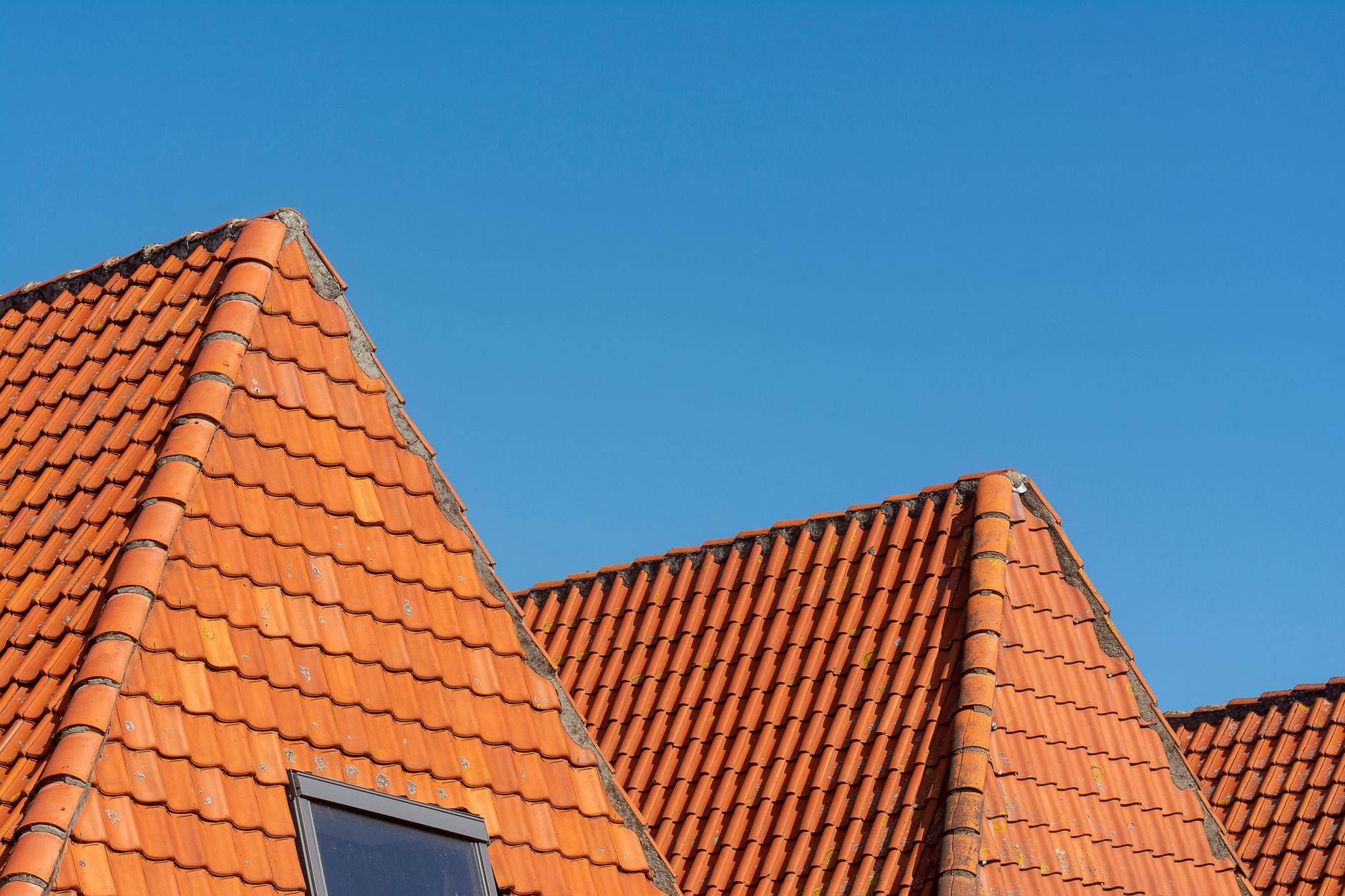
Your roof is easy to ignore right up until the moment it isn’t. Most homeowners don’t think about it at all until a stain appears on the ceiling or shingles turn up in the yard after a storm. By then, a small problem has often had time to become a bigger one. If you are looking for roof repair OKC, knowing the warning signs early can help you protect your home and avoid more costly damage. The good news is that roofs usually give you warning signs well before they fail; you just have to know what to look for and when it’s worth calling a professional.
Here’s a practical, no-hype guide to reading those signs and deciding what to do.
Start With A Look From The Ground
You don’t need to climb up to learn a lot about your roof. Walk the perimeter of your house and look up. Are shingles lying flat and even, or are some curled, cracked, buckled, or missing? Do the lines of the roof look straight, or is there any sagging or dipping? After a windstorm, check the yard and flower beds for shingle pieces or torn asphalt. A pair of binoculars turns this into a surprisingly thorough inspection without ever leaving the lawn.
Getting on a roof is genuinely dangerous, and it’s easy to cause damage by walking on it wrong. Leave the up-close inspection to someone who does it for a living.
The Signs That Usually Mean “Repair”
A few symptoms come up again and again:
- Interior stains or drips. A brown ring on the ceiling or a damp patch in an upstairs room almost always traces back to the roof or its flashing. Even a small stain means water is getting in somewhere.
- Missing, cracked, or curling shingles. Shingles are your roof’s first layer of defense. Once they’re gone or failing, the layers underneath are exposed.
- Granules in the gutters. Asphalt shingles shed a sandy layer of granules as they age or take hail hits. A lot of granules washing into your downspouts is a sign the shingle surface is wearing thin.
- Damaged or lifted flashing. The metal around chimneys, vents, and valleys does a huge share of the waterproofing work. When it lifts, bends, or corrodes, leaks follow.
- Daylight in the attic. If you can see light coming through the roof boards from inside the attic, water can get through the same gaps.
Any one of these is worth a professional look. Several of them together mean don’t wait.
When It’s An Emergency
Not every roof problem can sit on a to-do list. Active dripping during rain, sagging drywall, or water anywhere near light fixtures and electrical is a stop-what-you’re-doing situation. The priority is getting the water stopped and the source found before it spreads into insulation, framing, and drywall, because water damage compounds fast and quietly. A tarp can buy you time, but it’s a stopgap, not a repair.
Repair Or Replace?
This is the question most homeowners really want answered, and the honest reply is: it depends, but there are useful rules of thumb. Isolated, localized damage on a roof that’s otherwise in good shape is usually a repair. Widespread wear, damage across multiple slopes, or a roof near the end of its expected life leans toward replacement, because repairing one section of a roof that’s failing everywhere just moves the next leak a few feet over.
The age of the roof matters as much as the visible damage. A trustworthy contractor will tell you when a repair is the smart, cost-effective call and be equally willing to tell you when you’d be throwing good money after bad. Be a little wary of anyone who insists on a full replacement before they’ve actually inspected what you have.
What A Good Repair Actually Involves
A quality roof repair is less about the patch and more about the diagnosis. A good roofer inspects the whole roof rather than just the obvious spot, then traces the problem to its true source, which is often not where the stain shows up inside. Water is sneaky; it can enter at a lifted flashing and travel several feet before it drips. Once the real source is found, the failing materials get replaced, and the area is resealed so it sheds water the way it’s supposed to.
Just as important is what you hear afterward: a plain-language explanation of what was wrong and what it took to fix it, ideally with photos.
Choosing Someone To Do The Work
A few things separate a contractor worth hiring from one to avoid. Look for proper licensing and insurance, a real local track record, and a willingness to inspect and explain before quoting. Get the scope in writing. And trust your read on straightforwardness; the best roofers tend to under-dramatize, not over-sell.
Your roof doesn’t ask for much attention. Give it a look a couple of times a year and after any serious storm, act on the warning signs early, and you’ll spend far less over the life of the roof than the homeowner who waits for the ceiling to tell them. Apple Roofing provides residential and commercial roof repair in Oklahoma City and the surrounding metro. The team focuses on honest inspections, clear explanations, and repairs that fix the cause, not just the symptom.
View Trusted Oklahoma City Roofers in a full screen map
Media Contact:
Company Name: Apple Roofing
Phone: (866) 932-4708
Address: 100 NE 5th St
City: Oklahoma City
State: OK
ZIP Code: 73104
Country: United States
Website: https://appleroof.com/oklahoma-city-ok/
Social Media:
https://www.facebook.com/appleroofing
https://www.linkedin.com/company/apple-roofing-llc/