
Halfmoon bettas are among the most eye-catching freshwater fish available to aquarium enthusiasts. Their wide, flowing tails, bright colors, and graceful movements make them a popular choice for both new and experienced fishkeepers. With the right environment and regular care, these fish can become a beautiful and rewarding part of a home aquarium. Those searching for premium halfmoon Bettas online can explore different colors, patterns, and fin shapes while learning more about what these remarkable fish need to thrive.
What Makes a Halfmoon Betta Special?
Halfmoon bettas are a selectively bred variety of Betta splendens, a freshwater fish native to parts of Southeast Asia. Wild bettas are commonly found in shallow waters, rice fields, ponds, and slow-moving streams. Over many generations, breeders developed different fin shapes and color patterns, including the distinctive halfmoon form.
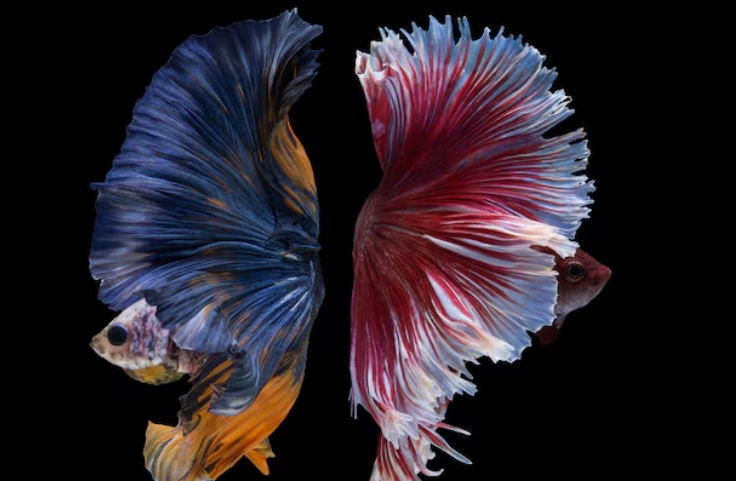
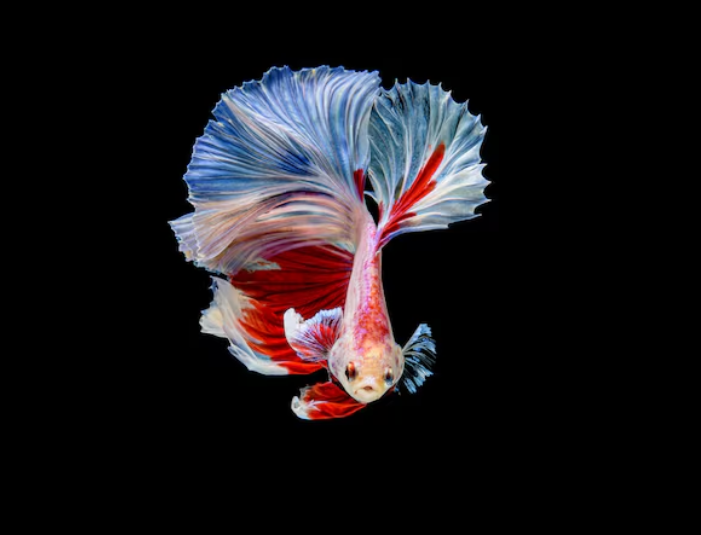
The main feature of a halfmoon betta is its tail, which can spread into a shape resembling a half circle when fully displayed. Ideally, the tail forms an angle of around 180 degrees, creating a broad and balanced appearance. The long fins give the fish a flowing look as it moves through the water.
Halfmoon bettas are available in many colors, including red, blue, orange, yellow, white, black, and combinations of several shades. Some have metallic scales, while others display marble patterns, butterfly markings, or subtle changes in color across their bodies. Each fish can have a different appearance, making them appealing to collectors and aquarium hobbyists.
Understanding Their Natural Behavior
Although halfmoon bettas are admired for their appearance, their behavior is another reason they are popular. Bettas are curious fish that often investigate movement outside the aquarium. Some may swim towards their owner when someone approaches the tank, especially when they associate that person with feeding time.
Male bettas are known for their territorial behavior. They may spread their fins and flare their gill covers when they see another male betta or their reflection. This behavior is natural, but keeping two adult male bettas together is not recommended because they may fight and cause serious injury.
A male and female should also not be housed together permanently without careful planning. For most home aquariums, a single betta is often the safest and simplest arrangement. Some bettas may live peacefully with suitable tank mates, but compatibility depends on the fish, tank size, hiding places, and the behavior of other species.
Choosing the Right Aquarium
Despite their small size, halfmoon bettas need enough space to swim and move comfortably. A tank of at least five gallons is generally a practical starting point for a single betta, although a larger aquarium can provide more room for plants, decorations, and stable water conditions.
A secure lid is important because bettas can jump, especially when startled or searching for food. The aquarium should also have a gentle filter. Strong currents can make swimming difficult for bettas with large, flowing fins, so a sponge filter or a filter with adjustable flow may be more suitable.
The tank should include areas where the fish can rest. Live plants, soft artificial plants, and smooth decorations can provide cover without damaging delicate fins. Sharp ornaments and rough surfaces should be avoided because they may catch or tear the fish's flowing tail.
Maintaining Suitable Water Conditions
Water quality is one of the most important parts of betta care. Poor water conditions can cause stress, weaken the immune system, and contribute to illnesses such as fin damage and bacterial infections.
Halfmoon bettas generally prefer warm water, with a stable temperature around 25–28°C (77–82°F) being commonly maintained in home aquariums. A reliable aquarium heater and thermometer can help maintain a stable temperature, particularly in rooms where temperatures change throughout the day.
The tank should be fully cycled before introducing the fish. A cycled aquarium contains beneficial bacteria that help process harmful waste produced by the fish and uneaten food. Water parameters should be checked regularly, especially in a new aquarium.
Partial water changes are usually safer than replacing all the water at once. Removing a portion of the water and replacing it with treated water helps control waste while reducing sudden changes in temperature and water chemistry.
Feeding a Healthy and Balanced Diet
Halfmoon bettas are carnivorous by nature and need a diet that provides enough protein. High-quality betta pellets can form the main part of their diet, provided the food is suitable for their size and nutritional needs.
Frozen or properly prepared foods such as bloodworms, brine shrimp, and daphnia can be offered occasionally to add variety. Live foods may also be used, but they should come from a reliable source to reduce the risk of introducing parasites or harmful organisms into the aquarium.
Overfeeding is a common problem because bettas may continue eating even when they have had enough. Uneaten food can break down and affect water quality. Small portions are usually more appropriate, and feeding should be adjusted according to the fish's size, activity, and condition.
Creating an Enriching Environment
A well-designed aquarium should provide more than clean water. Bettas are active and curious, so an environment with plants, hiding places, and resting areas can encourage natural behavior.
Broad-leaved plants may provide comfortable places for bettas to rest near the surface. Floating plants can also create shade and help the fish feel secure. However, the surface should not become so crowded that the betta cannot easily reach the air.
Bettas have a specialized organ called a labyrinth organ, which allows them to breathe air from the surface. This means access to the surface is essential. The aquarium should have enough open space for the fish to rise and breathe comfortably.
Caring for Their Flowing Fins
The beautiful fins of a halfmoon betta require special attention. Long fins can be more vulnerable to tearing, snagging, and infection than shorter fins. Rough decorations, strong filters, and poor water quality can all contribute to fin damage.
Regularly inspect the fish for changes in fin shape, color, or condition. Torn fins may heal when the environment is clean and safe, but further damage should be prevented. If the fins appear to be deteriorating, the cause should be investigated promptly.
Maintaining stable water conditions, reducing stress, and removing sharp objects can help protect the fish's delicate appearance.
Common Health Concerns
Halfmoon bettas can experience many of the same health problems as other aquarium fish. Fin rot is often associated with poor water quality and may cause the edges of the fins to become ragged or discolored. Improving water conditions and addressing the underlying cause are important steps.
Ich, also known as white spot disease, is another possible concern. It may appear as small white spots on the body or fins, sometimes accompanied by scratching against decorations or unusual behavior. Treatment should be based on the suspected cause and carried out carefully.
Other problems may include constipation, loss of appetite, fungal growth, bacterial infections, and buoyancy difficulties. A fish that stops eating, hides constantly, breathes rapidly, or behaves unusually should be monitored closely. If symptoms continue, advice from an experienced aquarist or aquatic veterinarian may be useful.
Breeding Halfmoon Bettas
Breeding halfmoon bettas requires preparation, knowledge, and careful observation. Breeders usually select fish based on health, body shape, fin structure, color, and genetic traits. The breeding pair should be conditioned with nutritious food before spawning.
A separate breeding aquarium is normally used, with warm, clean water and gentle filtration. The male may build a bubble nest near the surface, where the eggs are placed after spawning. The male often collects the eggs and guards the nest during the early stages.
Breeding can be stressful and may result in injuries if the fish are not introduced or separated correctly. It is therefore better suited to people who understand betta behavior and are prepared to care for the young fish.
Why Halfmoon Bettas Remain Popular
Halfmoon bettas combine striking appearance with interesting behavior and manageable care requirements. Their flowing fins and wide range of colors allow them to become the centrepiece of a carefully designed aquarium. At the same time, their individual personalities can make them engaging pets to observe every day.
However, their beauty should not be the only consideration when choosing a fish. A healthy aquarium, suitable water conditions, proper nutrition, and responsible purchasing are essential for long-term wellbeing.
Enjoying the Beauty of Halfmoon Bettas
Halfmoon bettas offer aquarium enthusiasts an opportunity to enjoy color, movement, and personality in a relatively small space. Their distinctive tails make them visually impressive, while their curious behavior can bring life to a home or office aquarium.
With a suitable tank, stable water conditions, a balanced diet, and regular observation, halfmoon bettas can remain healthy and active. Taking time to understand their needs before bringing one home helps ensure that their beauty is matched by proper care.