
Texas heat places heavy pressure on residential cooling systems during long summer months. According to the U.S. Energy Information Administration, air conditioning accounts for a large share of household electricity use across southern states during warmer seasons. Small refrigerant leaks may seem minor at first, yet they can slowly reduce cooling performance and increase energy costs inside the home. Many homeowners miss the early warning signs until rooms become uncomfortable. This article explains common signs of refrigerant leaks and why quick attention helps protect indoor comfort in Houston.
Warm Air May Signal Refrigerant Loss
Weak Cooling Inside Living Spaces
A refrigerant leak usually reduces the system’s ability to remove heat properly. Homeowners may notice warm air blowing through vents even while the thermostat remains set to lower temperatures. Some residents searching for AC repair in Houston first notice cooling problems during hotter afternoons when systems struggle to maintain indoor comfort levels.
Uneven Temperatures Between Rooms
Certain rooms may feel cooler than others when refrigerant levels begin dropping. Airflow may still seem normal, yet the cooling effect becomes weaker throughout the property. These temperature differences sometimes become more noticeable inside larger homes in Houston during extended heat waves.
Longer Cooling Cycles Throughout The Day
Cooling systems with low refrigerant usually run much longer than expected. Extended cycles place additional strain on internal components and may increase electricity usage during peak summer conditions.
Strange Sounds And Ice Buildup Deserve Attention
Hissing Noises Near Refrigerant Lines
Small leaks sometimes create hissing or bubbling sounds near refrigerant lines or indoor units. These sounds may appear briefly during operation before disappearing again. Homeowners who hear unusual noises should avoid ignoring the issue for long periods.
Ice Around Evaporator Coils
Low refrigerant levels may cause evaporator coils to freeze because the system cannot absorb heat correctly. Ice buildup can block airflow and reduce indoor cooling even further. Many homes in Houston experience this issue during periods of continuous system operation.
Moisture Near Indoor Equipment
Refrigerant leaks sometimes create excess condensation around indoor cooling components. Moisture near vents or equipment areas may signal larger cooling concerns that require professional evaluation before damage spreads further.
Professional Inspections Help Confirm Leak Problems
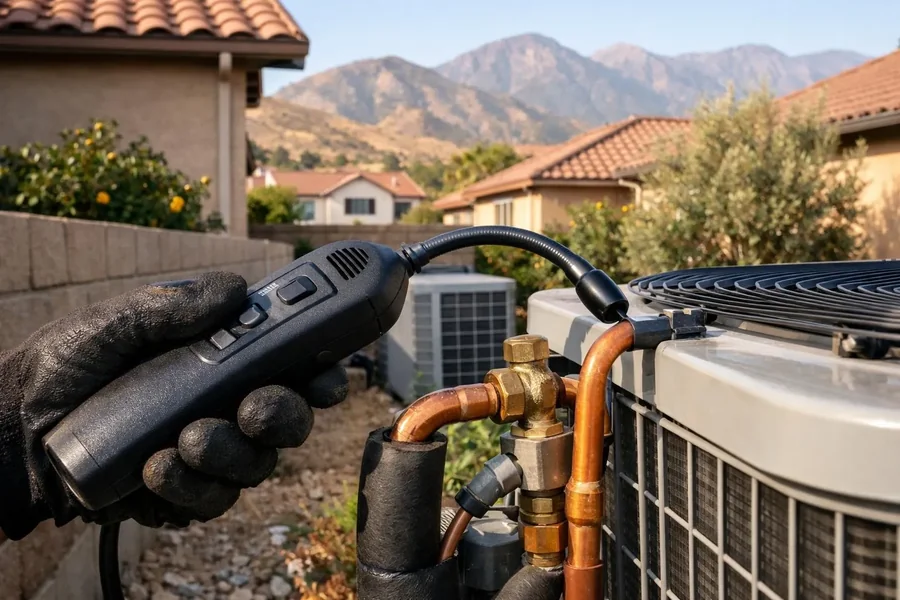
Experts Use Specialized Leak Detection Tools
Professional technicians inspect refrigerant lines, pressure levels, and coil conditions during service appointments. Specialized tools help locate leaks that homeowners cannot easily identify without training or equipment. Proper inspections also reduce the risk of misdiagnosing cooling concerns.
Repairs Help Protect Long-Term System Performance
Quick repairs may prevent compressor strain and additional mechanical damage inside cooling systems. Many residents requesting AC repair in Houston prefer inspections early because delayed refrigerant issues can create larger repair expenses later.
Maintenance Helps Reduce Future Cooling Concerns
Routine maintenance visits help technicians monitor refrigerant levels and identify small issues before cooling performance declines significantly. Preventive care also supports smoother operation during intense summer temperatures across Houston.
Refrigerant leaks rarely disappear without proper repair and inspection. Warm airflow, uneven cooling, strange sounds, and frozen coils usually signal that the system needs professional attention. Small warning signs can gradually create larger cooling concerns when left untreated during hotter months. Homeowners who respond early usually avoid additional stress and expensive mechanical damage later. Careful maintenance and timely inspections also help families approach AC repair with better awareness and more realistic expectations about long-term cooling system performance.