
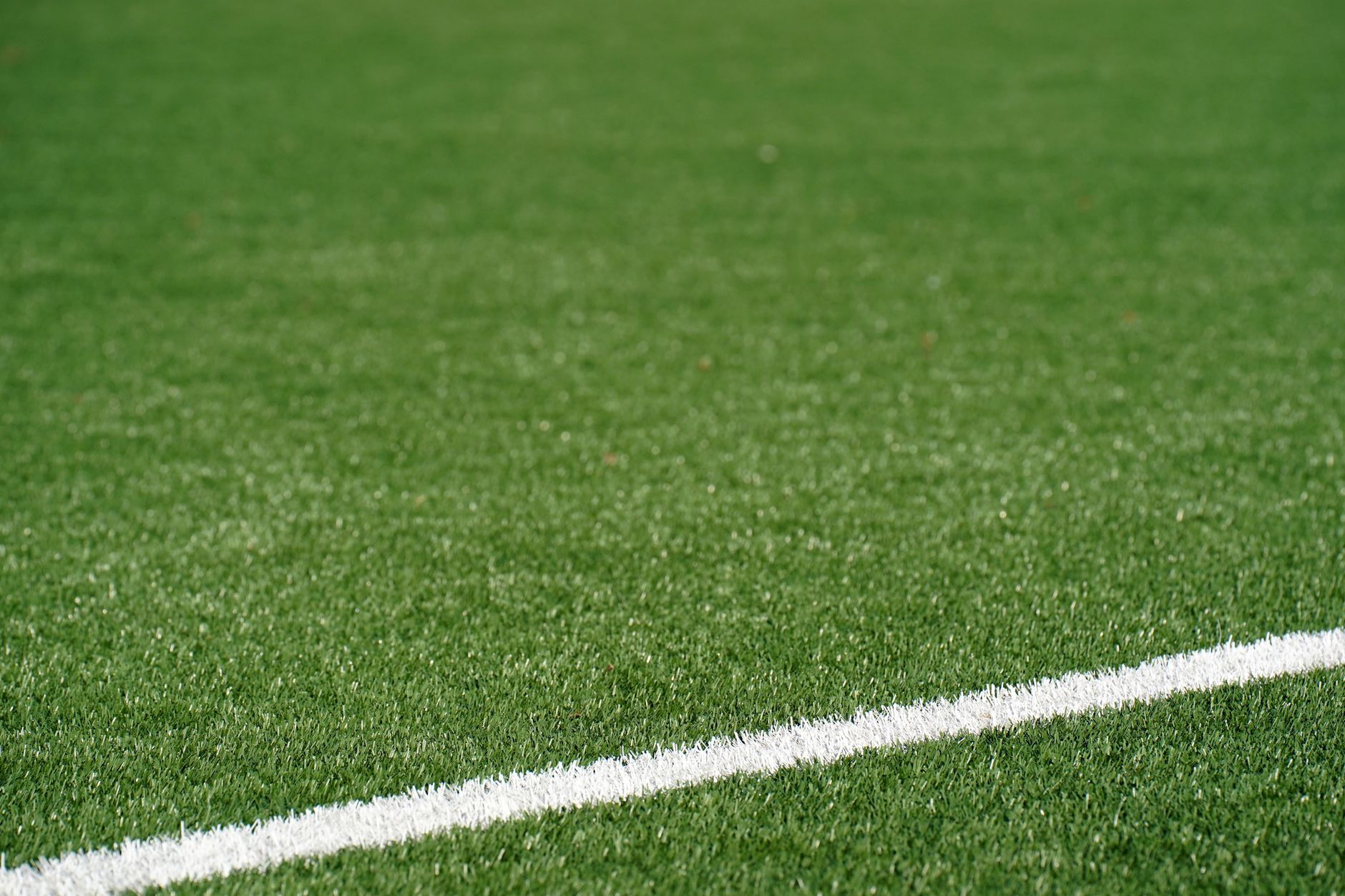
Synthetic turf has become an increasingly popular choice for sports fields around the world. This artificial grass alternative offers a range of practical benefits that make it ideal for sports facilities seeking durable, low-maintenance surfaces. Understanding the advantages of synthetic turf for sports fields provides insight into why many organisations and municipalities are making the switch from natural grass.
Durability and Longevity
One of the most significant benefits of synthetic turf for sports fields is its durability. Unlike natural grass, synthetic turf is designed to withstand heavy use and adverse weather conditions without deteriorating. Sports fields often experience intense activity, and synthetic turf maintains its quality and appearance over time. This longevity reduces the frequency and cost of replacements compared to natural surfaces.
Consistent Playing Surface
Consistency is critical in sports fields to ensure player safety and fair play. Synthetic turf provides a uniform playing surface free of patches, divots, and bare spots that can occur on natural grass fields. This consistency helps reduce the risk of injuries associated with uneven surfaces and allows athletes to perform at their best without unexpected challenges caused by irregular turf.
Lower Maintenance Requirements
Maintaining natural grass fields often involves watering, mowing, fertilising, pest control, and aeration. In contrast, synthetic turf requires significantly less maintenance. It does not need watering or fertilisers and is not susceptible to pests or diseases. Routine tasks primarily involve cleaning and periodic brushing to keep the fibres upright. This reduction in maintenance translates into cost savings and less labour-intensive upkeep.
Water Conservation
With growing concerns about water scarcity, the ability to conserve water is an essential consideration for sports field management. Since synthetic turf does not require watering to stay healthy, it offers a sustainable alternative that conserves large volumes of water compared to natural grass fields. This aspect is particularly beneficial in regions prone to droughts or with water use restrictions.
Improved Field Availability
Synthetic turf fields can be used more frequently than natural grass fields because they recover quickly and do not need resting periods to heal. This increased availability is advantageous for sports clubs, schools, and communities where high utilisation rates demand consistent access to quality playing surfaces. Events, practices, and games can be scheduled back-to-back without concern for turf damage.
Climate Adaptability
Synthetic turf performs well under different climatic conditions. Whether exposed to high heat, heavy rain, or cold weather, synthetic turf continues to provide a reliable playing surface. In contrast, natural grass can become muddy, patchy, or frozen, impacting field usability and safety. This adaptability makes synthetic turf a versatile solution for various geographic locations.
Enhanced Safety Features
Modern synthetic turf systems are engineered to include shock-absorbing layers and specific infill materials that cushion impacts. This design reduces the risk of injuries related to falls, collisions, or repetitive strain. In some sports, improved surface safety has been linked to fewer injuries, contributing to overall athlete well-being and performance.
Cost Efficiency Over Time
Although the initial investment for installing synthetic turf can be higher than seeding a natural grass field, the long-term cost benefits are substantial. Lower maintenance expenses, reduced water bills, and increased field availability result in cost efficiencies over the turf's lifespan. These financial advantages make synthetic turf an economically sound choice for many sports organisations.
Environmental Considerations
Synthetic turf eliminates the need for chemical fertilisers and pesticides, which can have deleterious effects on the environment. Moreover, by reducing water consumption, synthetic turf contributes to resource conservation. Some turf manufacturers also use recyclable materials and offer disposal or recycling services at the end of the product's life, further mitigating environmental impact.
Multi-Sport Field Compatibility
Synthetic turf fields can be designed to accommodate multiple sports, providing flexibility and maximising the use of available space. Colour-coded markings and adaptable infill systems allow one surface to support various activities such as football, rugby, soccer, and field hockey. This versatility is beneficial for schools and community sports centres seeking to optimise their facilities.
Low Allergen Potential
Natural grass fields can produce pollen and harbour insects that trigger allergies in players and spectators. Synthetic turf does not produce pollen and tends to attract fewer insects, creating a more comfortable environment for those with sensitivities. This health advantage is yet another reason for its increasing adoption in sports venues.
Ease of Installation and Upgrades
The installation of synthetic turf has become an efficient process due to advancements in technology and installation techniques. Fields can be upgraded with improved cushioning, infill materials, and fibre types as technology progresses. This adaptability ensures sports fields can remain at the forefront of performance and safety standards without complete replacements.
Aesthetic Appeal
Synthetic turf maintains a vibrant green appearance throughout the year, regardless of weather or season. This visual consistency enhances the overall experience for players and spectators and supports facility branding. Many sporting organisations appreciate the professional appearance that well-maintained synthetic turf offers.
Choosing the Right Synthetic Turf for Sports
When selecting synthetic turf for sports, it is important to consider factors such as fibre type, infill material, pile height, and shock absorption layers. Consulting with reputable suppliers who specialise in synthetic turf for sports can ensure the selected product meets the specific demands of the intended sport and local conditions.
Conclusion
Synthetic turf for sports fields presents numerous advantages, including durability, consistent playing conditions, reduced maintenance, and water conservation. It provides a safe, versatile, and cost-effective solution for sporting venues aiming to deliver high-quality playing surfaces year-round. As technology continues to evolve, synthetic turf remains a compelling option for the development and maintenance of modern sports fields.