
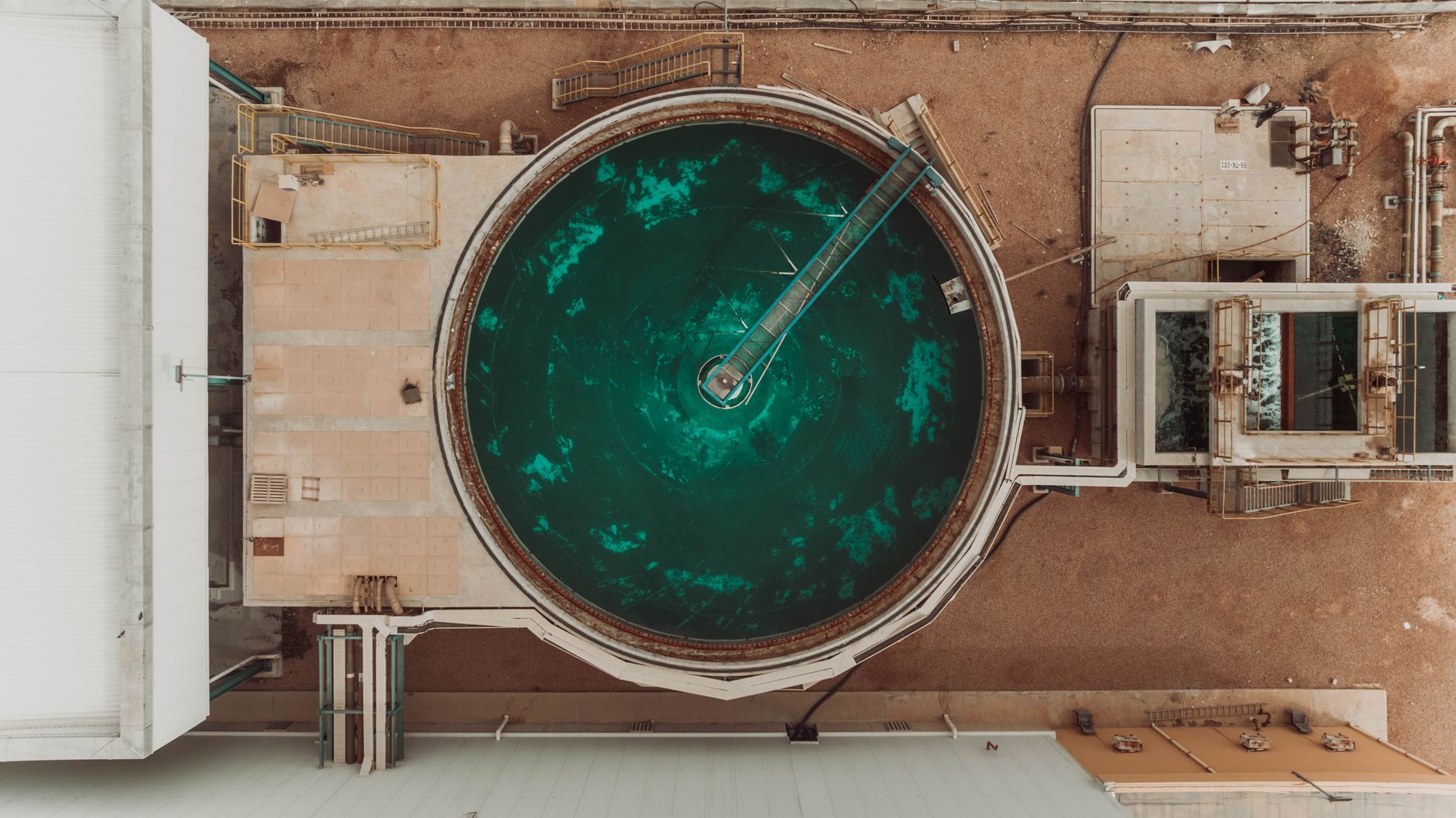
Access to clean and safe water is fundamental for both communities and industries. Queensland, with its diverse geography and climate, faces unique challenges in water management. These challenges have driven the development and implementation of innovative water treatment solutions that not only address local water quality issues but also promote sustainability and efficiency across the region.
Understanding Water Treatment Needs in Queensland
Queensland's variable rainfall patterns and the presence of mining, agriculture, and urban sectors result in different water contamination scenarios. These include high salinity levels, sedimentation, industrial pollutants, and biological contaminants. Addressing these effectively requires tailored water treatment approaches that are capable of managing diverse sources of pollution.
The Role of Advanced Technologies in Water Treatment
Recent advancements in technology have enhanced the capability to treat water more efficiently and at lower costs. Techniques such as membrane filtration, reverse osmosis, ultraviolet disinfection, and advanced oxidation processes are widely adopted for their effectiveness in removing contaminants and pathogens.
Membrane Filtration Technologies
Membrane filtration has become a cornerstone in modern water treatment, particularly in regions where water sources have high turbidity or microbial loads. These membranes act as physical barriers, filtering out particles, bacteria, and even viruses. In Queensland, membrane systems are applied both in municipal and industrial settings to ensure compliance with stringent water quality standards.
Reverse Osmosis Applications
Reverse osmosis (RO) is an effective desalination and purification process, especially useful in Queensland’s coastal and remote inland areas where freshwater availability is limited. RO systems remove dissolved salts, heavy metals, and organic compounds, producing water suitable for drinking and sensitive industrial processes.
Sustainability in Water Treatment Practices
Water scarcity and environmental concerns have led to an emphasis on sustainable water treatment methods. Innovative solutions focus on water reuse, energy efficiency, and minimising chemical usage. Integrating solar power into water treatment plants and employing biological treatment systems are examples of sustainable initiatives gaining traction in Queensland.
Water Reuse and Recycling
Water reuse technologies allow treated wastewater to be repurposed for agricultural irrigation, industrial cooling, and even potable applications after adequate treatment. This approach conserves freshwater resources and reduces environmental discharge. Queensland has seen an increase in projects that integrate water recycling systems within industrial parks and farming operations.
Energy-Efficient Treatment Systems
Reducing the energy footprint of water treatment plants is an active area of innovation. Technologies such as low-energy membranes, energy recovery devices, and process optimisation software help lower operational costs and greenhouse gas emissions. These developments align with Queensland’s broader commitment to sustainability and climate change mitigation.
Customised Water Treatment Services in Queensland
Given the diversity of water treatment demands, customised solutions play a critical role. Companies offering water treatment Queensland services conduct detailed assessments to design systems that meet specific water quality goals and operational requirements. This ensures maximised efficiency and regulatory compliance for clients in municipal, agricultural, and industrial sectors.
Water Treatment in Agriculture
Agricultural activities require reliable access to clean irrigation water to safeguard crop health and optimise yields. Innovative solutions such as sediment removal systems, nutrient recovery processes, and precise filtration techniques help manage water quality effectively. This reduces the risk of contaminant build-up in soils and enhances productivity.
Industrial Water Treatment Challenges
Industries including mining, manufacturing, and food processing produce complex wastewater streams. Tailored treatment systems that incorporate chemical dosing, biological treatment, and advanced filtration have been developed to address these demands. These systems ensure that discharge standards are met while also enabling water reuse within industrial processes.
Maintenance and Monitoring Technologies
Maintaining optimal operation of water treatment systems is vital for consistent water quality. Advances in sensor technology, real-time monitoring, and automation enable early detection of potential issues, reducing downtime and maintenance costs. Queensland facilities increasingly deploy digital monitoring platforms as part of their water management strategies.
Remote Monitoring and Control
Remote monitoring allows operators to supervise water treatment processes from centralized locations, which is particularly valuable for plants in remote or difficult-to-access areas. Automated control systems can adjust treatment parameters in response to changing water quality conditions, enhancing performance and resource efficiency.
Training and Community Engagement
Successful implementation of water treatment innovations requires skilled operators and informed communities. Queensland invests in training programmes and public awareness campaigns to ensure knowledge dissemination and stakeholder collaboration. By fostering community involvement, these initiatives support the sustainable management of local water resources.
Collaborations Driving Innovation
Partnerships between research institutes, private companies, and government agencies are essential for advancing water treatment technologies. Collaborative projects in Queensland focus on developing new materials, improving treatment efficacy, and reducing environmental impacts. Such cooperation accelerates the adoption of best practices across the region.
Example of a Leading Provider
Water treatment Queensland providers, such as Dowdens, deliver comprehensive services including system design, supply, installation, and maintenance. Their expertise spans a range of sectors and incorporates the latest technologies, making them instrumental in executing innovative water treatment projects in Queensland.
Regulatory Framework and Compliance
Water treatment solutions in Queensland are subject to strict regulatory standards aimed at protecting public health and the environment. These regulations dictate permissible contaminant levels, operational protocols, and reporting requirements. Compliance ensures that water quality objectives are consistently achieved.
Future Outlook for Water Treatment in Queensland
Ongoing climate variability and population growth necessitate continuous improvement in water treatment strategies. Emerging trends include the integration of artificial intelligence for predictive maintenance, the use of nanotechnology for pollutant removal, and the development of decentralised treatment systems for remote communities.
Conclusion
Innovative water treatment in Queensland integrates advanced technologies, sustainability principles, and customised solutions to address the region’s distinct water quality challenges. These efforts contribute to securing clean water for diverse uses, supporting economic activities, and protecting the environment. As technologies evolve and collaborations strengthen, Queensland is well-positioned to lead in water treatment innovation and resilience.