
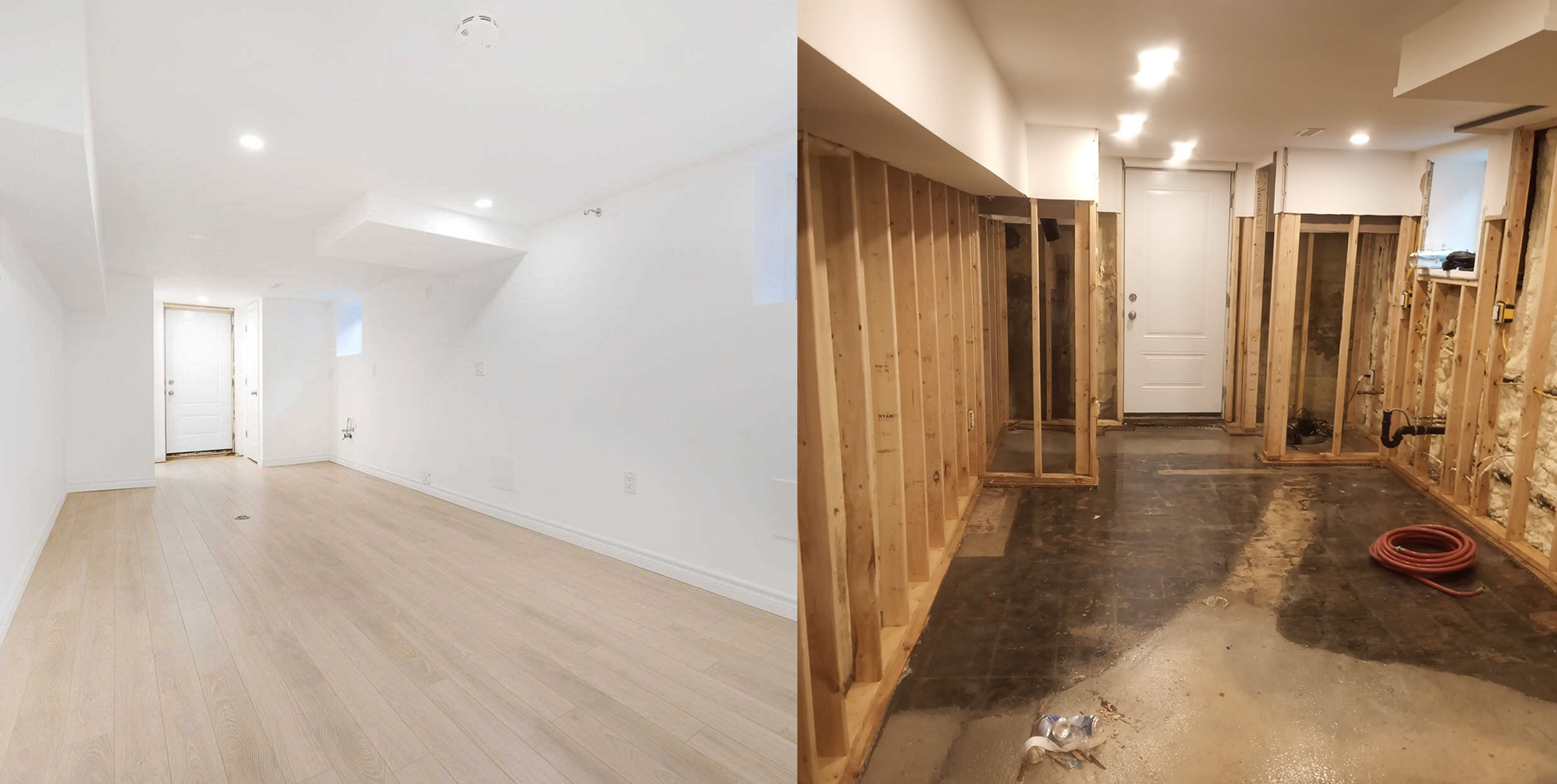
Basement flooding is one of the most common property damage events in Toronto, and it tends to happen at the worst times: during the heavy rain events that push the city’s aging storm sewer system past capacity, during spring thaw when ground saturation is at its peak, or when a sump pump fails at two in the morning during a storm that the forecast said was only going to be light rain. By the time most homeowners are standing in their basements looking at water on the floor, the damage clock is already ticking.
Toronto’s aging residential infrastructure makes basement flooding a recurring reality for a significant portion of homeowners, particularly in older neighbourhoods where the combined sewer systems were not designed for the rainfall volumes that modern storm events deliver. Understanding why basements flood, what needs to happen immediately when they do, and what proper recovery looks like helps you act with confidence rather than confusion when it happens.
For Toronto homeowners dealing with a flooded basement right now or preparing for the next heavy rain season, professional Toronto flood damage restoration from a team with 24/7 emergency response, certified equipment, and a track record of managing both the physical restoration and the insurance claim process is the resource that takes a stressful emergency and turns it into a manageable project.
The Main Reasons Basements Flood in Toronto
Sewer backup is the most common cause of basement flooding in established Toronto neighbourhoods. When heavy rainfall exceeds the capacity of the combined storm and sanitary sewer system, sewage and stormwater back up through the lowest drain in the building, which is almost always a basement floor drain, laundry tub drain, or basement toilet. This type of flooding involves contaminated water and requires professional remediation rather than a DIY cleanup.
Foundation leakage is the second major category, where surface water or groundwater infiltrates through cracks in the foundation wall or floor, through the wall-floor joint, or through window wells that drain toward rather than away from the building. Sump pump failure, where the pump that is supposed to remove water from the weeping tile system fails mechanically or loses power during the storm that is causing the flooding, allows water that would have been pumped out to accumulate in the basement instead. Each of these causes has a different restoration approach and different implications for what is covered under insurance.
The First Safety Check Before You Go Downstairs
Before entering a flooded basement, confirm that the electrical supply to that area is off. Water in contact with live electrical outlets, wiring, or appliances is a serious electrocution risk. If you cannot safely reach the electrical panel from a dry area to cut power, do not enter the flooded space. Call the restoration team and wait; no flooded basement cleanup is worth risking electrocution.
Also assess the source of the water before entering. If the flooding involves sewage backup, the water contains biological contamination that requires protective equipment. Contact with sewage-contaminated floodwater without protection poses genuine health risks. A restoration team arrives equipped for contaminated water removal; a homeowner entering without equipment is not in a position to manage that safely.
What Needs to Come Out and What Can Stay
After the water is extracted, the assessment determines what building materials have been saturated to the point of needing replacement. Drywall that has absorbed water is compromised and needs to come out, typically to a height above the waterline plus a margin for any wicking that has occurred above the visible wet line. Fibreglass batt insulation inside basement walls is virtually impossible to dry effectively once saturated and needs replacement. Vinyl flooring, carpet, and carpet padding that have been under water need to come out.
Concrete block or poured concrete walls and floors are durable and can typically be dried and treated rather than replaced. Solid wood framing, if dried properly and promptly, can usually be salvaged. The distinction between what needs to come out and what can be treated and retained is an assessment that experienced restoration professionals make based on moisture readings, material type, and the category of water involved, not based on how dry something looks or feels on the surface.
The Mould Risk and Why the Drying Timeline Matters
Mould can establish itself in a flooded basement in as little as 24 to 48 hours under the warm, humid conditions that summer flooding creates. Once mould colonizes porous building materials like drywall paper or wood framing, it cannot be cleaned off the surface; the affected material needs to come out. Prevention through rapid water extraction and professional drying is significantly less expensive than remediation after mould has established itself.
Industrial air movers and dehumidifiers extract moisture from materials and the air simultaneously, creating conditions that accelerate drying to a fraction of the time natural air movement would require. This equipment runs continuously for several days, and the drying is validated through moisture readings rather than assumptions based on elapsed time. The goal is confirmed dry conditions, not just a reasonable amount of time having passed.
Sewer Backup Cleanup: Why This Is a Different Category
A basement flooded with clean water from a burst pipe is a different remediation situation than a basement flooded with sewage backup from a combined sewer overflow. Contaminated water in Category 3 classification requires antimicrobial treatment of all affected surfaces, disposal of all porous materials that absorbed the contaminated water, and air quality restoration through HEPA filtration. It is not a job that can be safely completed with household cleaning products and a wet-dry vacuum.
The health implications of inadequate sewage cleanup are real. Residual contamination in building materials promotes ongoing biological hazard and contributes to indoor air quality problems that affect occupants over time. Insurance policies that cover sewer backup specifically include the proper remediation cost, and having a professional restoration company document the category of water and the remediation scope is important for that claim to be processed correctly.
Preventing the Next Flooding Event
Once the restoration is complete, the conversation turns to prevention. The City of Toronto offers a Basement Flooding Protection Subsidy Program that helps homeowners offset the cost of specific backwater valve and sump pump installations that reduce the risk of future sewer backup events. A backwater valve prevents sewage from backing up through floor drains during combined sewer overflows, and a properly sized and maintained sump pump with battery backup handles the groundwater infiltration that sump systems are designed for.
These are not guaranteed protections against all flooding scenarios, but they address the most common causes of basement flooding in established Toronto neighbourhoods and significantly reduce the probability of a repeat event. The conversation about these measures is worth having while the remediation team is on site, because understanding what caused your specific flooding event informs which preventive measures are most relevant to your property.