
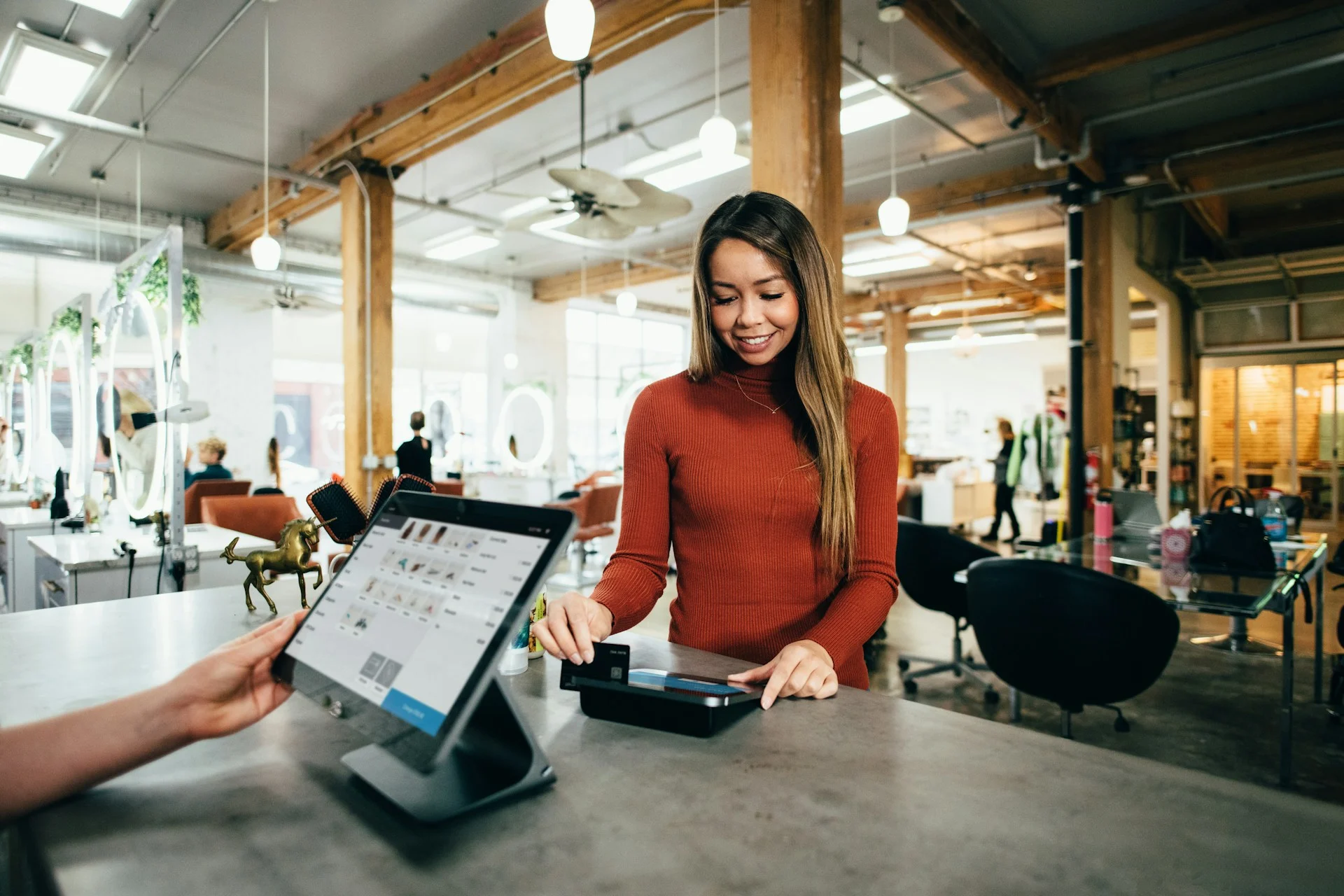
In a very competitive food environment, it is not enough to attract the customers, it is the ability to retain them, which is the real success. This is the reason as to why restaurants in the present times are heavily investing in restaurant loyalty software to build a stronger customer relationship and encourage customer revisions. The use of such platforms as Restaurant loyalty software solution, is changing the way restaurants interact with customers, and making regulars become regulars.
Learning Restaurant Loyalty Software.
Restaurant loyalty software is an online tool that is used to give rewards to regular customers and motivate them to remain with the restaurant over an extended period of time. Modern systems do not use any traditional punch cards or manual tracking but allow the whole process to be automated – tracking visits, purchases and preferences in real time at https://restaurant.eatapp.co/.
Loyalty software basically functions by providing a reward system in the form of points, discounts, or other special privileges. Such rewards will encourage customers to come back more often, raising their lifetime value to the business. With increasing competition, the tools have become not an option, but a necessity.
The importance of Loyalty Like Never Before.
The restaurant industry customer behavior has been altered. The possibilities at the disposal of diners are now limitless: There are delivery apps and new dining concepts. Loyalty programs in such an environment are vital in decision-making.
This implies that restaurants have to integrate excellent service, food, and intelligent technology to establish relationships.
The Major Characteristics of the Contemporary Loyalty Software.
There are no equal loyalty solutions. The best restaurant loyalty software platform is automation, personalization, and analytics.
1. Points-Based Reward Systems
Customers are able to gain points each time they visit or make a purchase which can be later earned in the form of rewards. This basic system will promote recurring visits and give the impression of improvement.
2. Personalized Offers
The contemporary systems process customer information to personalize promotions. As an illustration, a customer visiting a diner and regularly ordering pasta can be offered a discount on their preferred meal.
3. Customer Data Management
The modern platforms gather and clean the information about the guests, enabling the restaurants to gain more insights into their demographics and provide them with personalized experiences. ([restaurant.eatapp.co][3])
4. Automated Marketing Campaigns
Loyalty software can also have an in-built marketing software that sends emails or SMS messages automatically and thus keeps the customers involved without extra effort.
Included in the Interfaces is the integration with Reservation Systems.
By combining loyalty software with reservation software such as <|human|>restaurant management systems, restaurants can have a full picture of customer behavior during booking to dining, which can be used to make more strategic decisions.
Increased Customer Retention
The main benefit of the loyalty software is that it will retain customers. Repeat diners are more important than new diners since they are already loyal to the brand and would tend to spend regularly.
Higher Revenue
Creating loyal customers results in increased expenditure. Loyalty programs have a direct effect on revenue increase and profitability by promoting repeat visits.
Better Customer Insights
The information gathered via customer loyalty programs assists restaurants with the process of knowing certain trends like the busiest restaurants, menu choices, as well as the demographics of patrons. These lessons can help make more intelligent business decisions.
Streamlined Operations
Automation minimizes the errors and manual tracking. Employees will be able to concentrate on customer service and not on administration.
Benefits for Customers
The restaurant loyalty software is not only helpful to the business but also improves the experience of the food to the clients.
Rewards and Incentives
Customers like to receive the reward of their visits such as a free meal or discount or an exclusive offer. This makes their dining experience valuable.
Convenience
Loyalty programs in the digital form do not require cards. All this is saved in an online profile or a mobile app, and it becomes simple to monitor the rewards.
Personalized Experiences
Personality can be customized using data-driven understanding, which makes the customers feel respected and important to the restaurant.
The Use of Technology in Loyalty Programs.
The use of technology has transformed the loyalty programs to become more effective and influential. Cloud-based solutions enable restaurants to operate a loyalty program at more than one location and be consistent.
Such companies as Eat App offer combined solutions that comprise reservations, guest management, and marketing applications. With the assistance of these systems, restaurants can streamline operations, learn how to interact with the customers, and improve loyalty through data-driven strategies.
Also, AI-powered capabilities are starting to contribute to the determination of customer preferences and automation of engagement strategies, which further increases the efficiency of loyalty programs.
Possible pitfalls and the way to avoid them.
Low Customer Participation
Promoting the use of the loyalty program by customers is one of the greatest challenges. The remedy is to provide substantial rewards and simplify the process of signing up.
Overcomplicated Systems
In case the loyalty program is excessively complicated, the customers can lose the interest. Effective programs are based on simplicity and ease of use.
Lack of Integration
Isolated loyalty systems may cause inefficiency. Implementing loyalty software in reserve and POS systems guarantees a congruent customer experience to the staff and the customer.
Trends in Restaurant Loyalty Software in the Future.
Innovation and evolving consumer expectations determine the future of restaurant loyalty software.
Mobile-First Experiences
With the further increase in smartphone usage, the loyalty programs will be more mobile-centric, providing rewards and notifications in the form of apps.
Artificial Intelligence and Forecasting.
With artificial intelligence, it will be possible to predict customer behavior more accurately, resulting in highly focused marketing campaigns by restaurants.
Gamification
Loyalty programs can be more interesting and entertaining to the customers by adding such elements as levels, badges, and challenges.
Omnichannel Integration
The systems of the future will tie in the loyalty programs to online ordering, delivery, and in-store experiences to create a single customer experience.
Conclusion
Restaurant loyalty programs are now an important resource of contemporary hospitality organizations. Through integrating technology, data, and customer-centric functionality, restaurants are able to create better relationships and become successful in the long term.
Competition in any industry is intense and customer expectations keep changing, therefore investing in a powerful loyalty solution is no longer a choice, it is a necessity. By doing so, one can transform a regular customer into a loyal supporter of the restaurant so that there will be a consistent growth and a business to be proud of.