
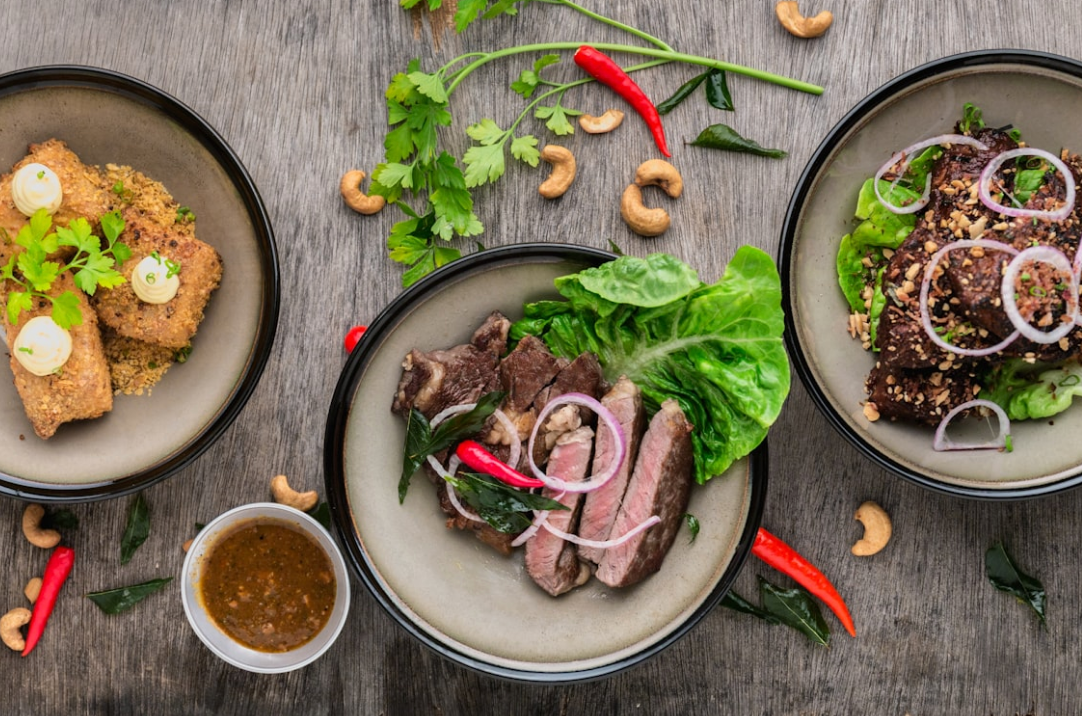
Food is changing. People are tired of mystery ingredients and long labels. They want to know where their dinner started. This shift toward the single-origin movement is more than a passing phase. It represents a deep desire for real flavors and honest sourcing.
Whether it is a specific block of land for grapes or a single forest for honey, shoppers are looking for a direct connection to the soil. This return to basics is redefining what quality looks like in the modern kitchen.
Image Source: https://unsplash.com/photos/cooked-dish-on-gray-bowl–YHSwy6uqvk
The Rise of Transparent Sourcing
Modern shoppers are asking more questions about their groceries. They want to see the journey from the farm to the pantry. A recent report mentions that 42% of global consumers now link high quality ingredients with health and authenticity. This means people are looking past flashy packaging to find the real story.
Producers are reacting by sharing more data than ever before. Those who share details like harvest dates and specific milling techniques are seeing more success. It helps buyers feel a sense of trust when they can track a product back to a single day or location. This level of detail used to be for experts only, but now it is becoming standard for everyone.
Why Locality Matters Now
The world feels very big, and people are finding comfort in the local and the known. There is a clear trend toward traditional setups like classic bakeries and artisanal shops. These places often focus on one thing and do it very well. This focus on craftsmanship makes a simple loaf of bread or a bottle of oil feel special.
Familiarity is a major driver in how we eat today. Traditional approaches are seeing a big comeback because they feel reliable. Using unfiltered olive oil from a single estate is a prime example of this trend. You can taste the specific climate and soil in every drop. This reliability is exactly what people crave when the rest of the world feels unpredictable. Comforting classics like Broccoli soup (Broccolisoppa) also reflect this preference, offering simple, wholesome flavors that evoke a sense of tradition and familiarity.
Specialty Markets are Booming
The demand for these unique items is showing up in the numbers. Experts predict the specialty food market will reach over $329 billion by 2027. This growth shows that single-origin items are no longer just for high-end restaurants. Home cooks are willing to spend more on a single ingredient that transforms a whole meal.
- Traceability allows for better quality control at every step.
- Single-origin products often support smaller, family-owned farms.
- The unique flavor profiles cannot be matched by massive blends.
It is not just about the taste, though that is a huge part of it. It is about the value we place on the effort required to produce something pure. When a product comes from one spot, it carries the identity of that place.
The Impact on Global Production
Global shifts are making it easier for these products to reach your table. For instance, olive oil production is expected to jump by 38% in the coming year. More supply means more chances for smaller estates to showcase their specific harvests. Instead of one giant blend, we are seeing a variety of distinct options from different regions.
This increase helps keep the specialty market moving. As more high-quality oil and produce become available, more people can explore the differences between regions. You might prefer a peppery oil from one hillside and a buttery one from the next valley over. Having those choices is the heart of the single-origin movement.
Sustainability as a New Standard
Sustainability has moved from being a nice extra to a basic requirement. In the world of specialty coffee, being eco-friendly is now a structural expectation. Buyers expect the land to be treated well so it can keep producing for years. Single-origin products make this easier to track because there is only one farm to monitor.
When you buy from a single source, you can see the farming practices clearly. You know if the workers are treated fairly and if the soil is being protected. This transparency creates a cycle of accountability that benefits the planet and the consumer. It is a win for everyone involved in the chain.
Better Chocolate Through Origin
Chocolate is another area where origin makes a massive difference. People want to know which cocoa beans were used and who grew them. A bar made with beans from one plantation has a much more complex flavor than a standard candy bar. It might have notes of fruit, tobacco, or nuts depending on the weather that year.
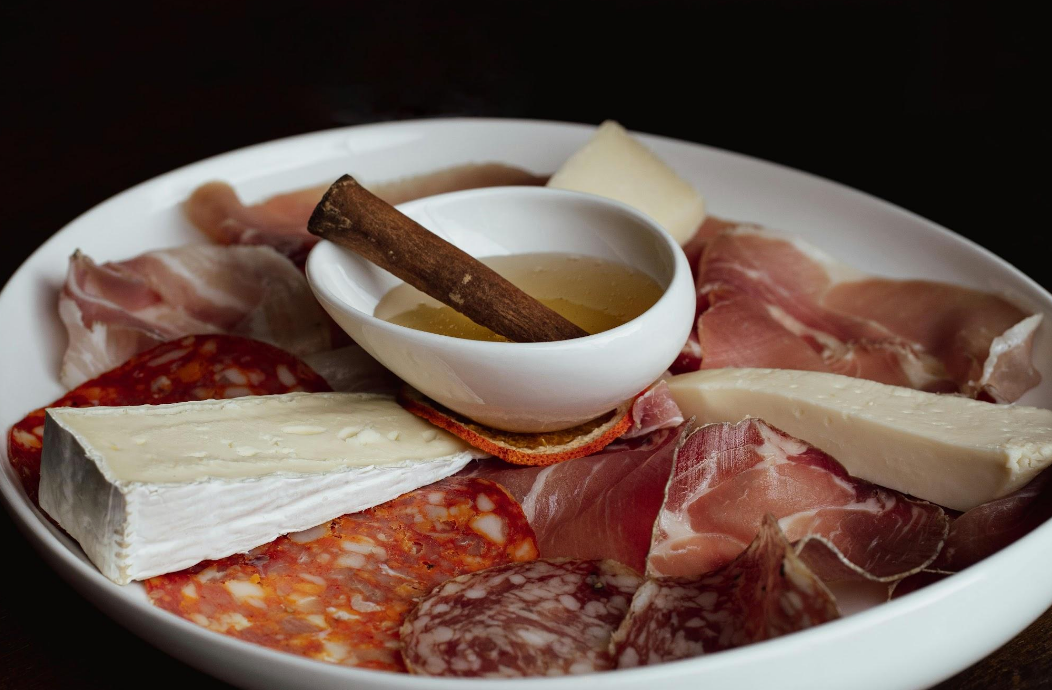
The joy of cooking is coming back through these simple, high-quality items. A single-origin ingredient does the heavy lifting for you in the kitchen. You do not need complex recipes when the base components are already full of character. This trend is a reminder that sometimes the best way forward is to look back at how things were originally made. Quality, honesty, and great flavor never really go out of style.