
The flat iron is not your colour’s friend. It never was, really. It just looked convincing because the results were immediate and the damage was gradual enough to blame on something else.
Here’s what actually happens. Colour-treated hair comes out of the salon with its cuticle already compromised, more open, more porous, considerably more reactive to anything hot that gets pressed against it. Most straighteners run at temperatures well above 180 degrees. At that heat, the cuticle lifts further and colour molecules, already sitting less securely than they would in unprocessed hair, start escaping. Not all at once. Just consistently, a little more with every pass, until the shade that looked incredible on day one is doing something flat and vaguely beige by week three.
Switching to the right styling products for color treated hair that require zero heat isn’t settling for less. For a lot of hair types, the results are genuinely better once the heat damage stops stacking up.
What Heat Is Actually Doing to Colour
Thermal damage and colour fade share a mechanism that doesn’t get explained often enough. The colouring process is already an oxidative one; it uses oxidation to deposit or remove pigment. Heat accelerates that same oxidative process every time a tool touches the hair. Warm tones turn brassy faster. Cool tones lose their clarity. Vivid colours drop in intensity within days because the chemistry that was used to create the colour is now also being used to destroy it, just more slowly and with a diffuser attachment.
Most people searching for the best styling products for color treated hair are already noticing this pattern without necessarily connecting it to heat. The fade feels inexplicable until the mechanism becomes clear.
Stopping heat use doesn’t just reduce damage in a vague, general sense. It specifically interrupts the oxidation cycle that colour fade depends on. That’s a meaningful distinction, and it’s worth understanding before dismissing heat-free styling as a low-effort option.
The 5 Products Worth Building a Routine Around
Leave-in conditioner is where everything starts. Not optionally. Colour-treated hair loses structural protein during the colouring process, and a leave-in containing hydrolysed wheat or silk protein begins replacing that loss with every single wash. Panthenol pulls moisture into the cortex and helps the cuticle surface lie flatter. Applied to damp hair before anything else, a leave-in sets up every subsequent product to perform better than it would on a dry, untreated shaft. The best styling products for color treated hair routines don’t skip this step and then wonder why the results are inconsistent.
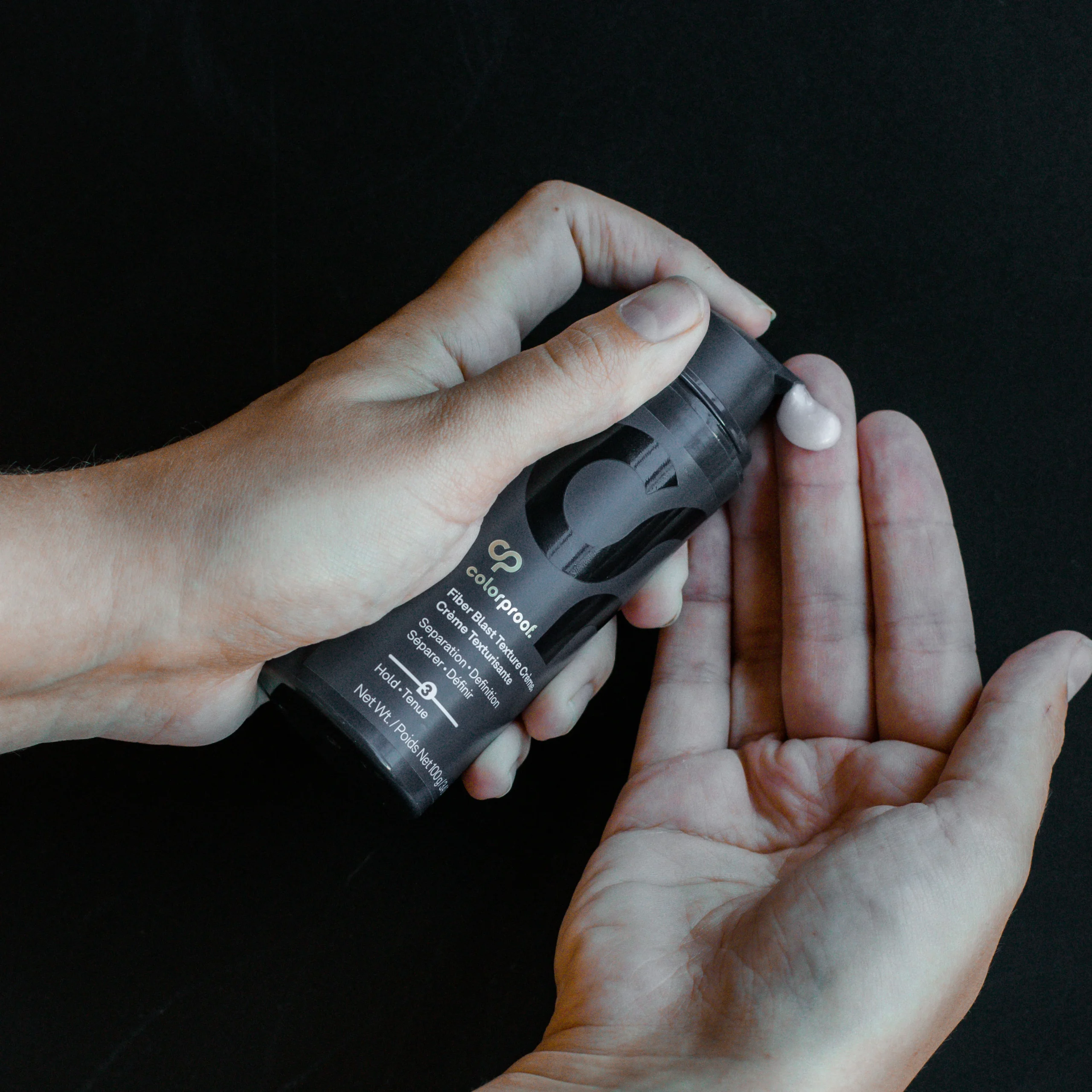
Curl cream or wave cream is where the definition actually gets built. The formula coats each strand, encourages the hair’s natural texture as it air-dries, and holds the result in place through the day without any heat involved. For colour-treated hair specifically, the most useful versions contain shea butter or a comparable emollient to seal the cuticle, glycerin for moisture retention, and UV filters because sun exposure causes the same oxidative fade as heat tools, just more slowly. One thing worth noting about glycerin: in high-humidity climates, it pulls atmospheric moisture into the hair aggressively. Lighter formulas with lower glycerin concentrations handle Indian summers considerably better.
Mousse often gets dismissed because the versions from two decades ago were genuinely terrible stiff, drying, and the specific texture of a bad decision. Current sulphate-free versions are a different product entirely. Flexible polymers provide hold without crunch. Conditioning agents leave the hair feeling soft rather than coated. For fine to medium colour-treated hair that finds curl cream too heavy, mousse is the styling products for color treated hair category that delivers volume and definition simultaneously without the weight that causes fine hair to go flat by noon.
Hair serum or lightweight oil isn’t a styling product in the traditional sense. It’s applied last, to dry hair, as a finishing step that does something the other products can’t it seals the cuticle surface, reduces frizz that occurs as humidity interacts with a slightly raised cuticle, and changes how light hits the finished style. Argan oil and marula oil are the most commonly used bases. A good serum applied after air-drying makes colour look fresh and dimensional rather than dull and flat. Small amount. Worked through mid-lengths and ends only.
Flexible hold spray with UV protection closes the routine in a way that matters more than most people realise. UV radiation is a consistent, significant cause of colour oxidation, particularly in climates with strong year-round sun. A finishing spray that includes a UV filter addresses this without adding weight or disrupting the definition already built. The flexible-hold element matters; firm-hold sprays rely on high concentrations of drying alcohols that dehydrate styling products for color treated hair , resulting steadily with repeated use. Flexible hold provides structure without that tradeoff.
Layering Order and the Amount Problem
Leave-in on damp hair first. Curl cream or mousse through sections while hair is still wet. Serum is once fully air-dried. Flexible hold spray last, at a distance, to avoid overconcentration.
The amount question is where most routines quietly fall apart. Build-up on colour-treated hair creates a film that sits on the shaft, dulls colour visually, and attracts mineral deposits from water. Starting with less than seems necessary and adding more only if required is, consistently, the better approach than working backwards from too much.
Conclusion
Each heat-free day is genuinely a recovery day for colour-treated hair. The cuticle isn’t being forced open. Oxidation isn’t being accelerated. The shade stays where it was put and does what it was meant to do.
The right styling products for color treated hair , five types, applied in the right order, in sensible amounts, deliver definition that holds without asking the hair to pay for it later. The results take a couple of weeks to show up properly once heat tools are out of the equation, and then they keep improving as the structure stabilises.
Definition never needed damage. That was always optional.