
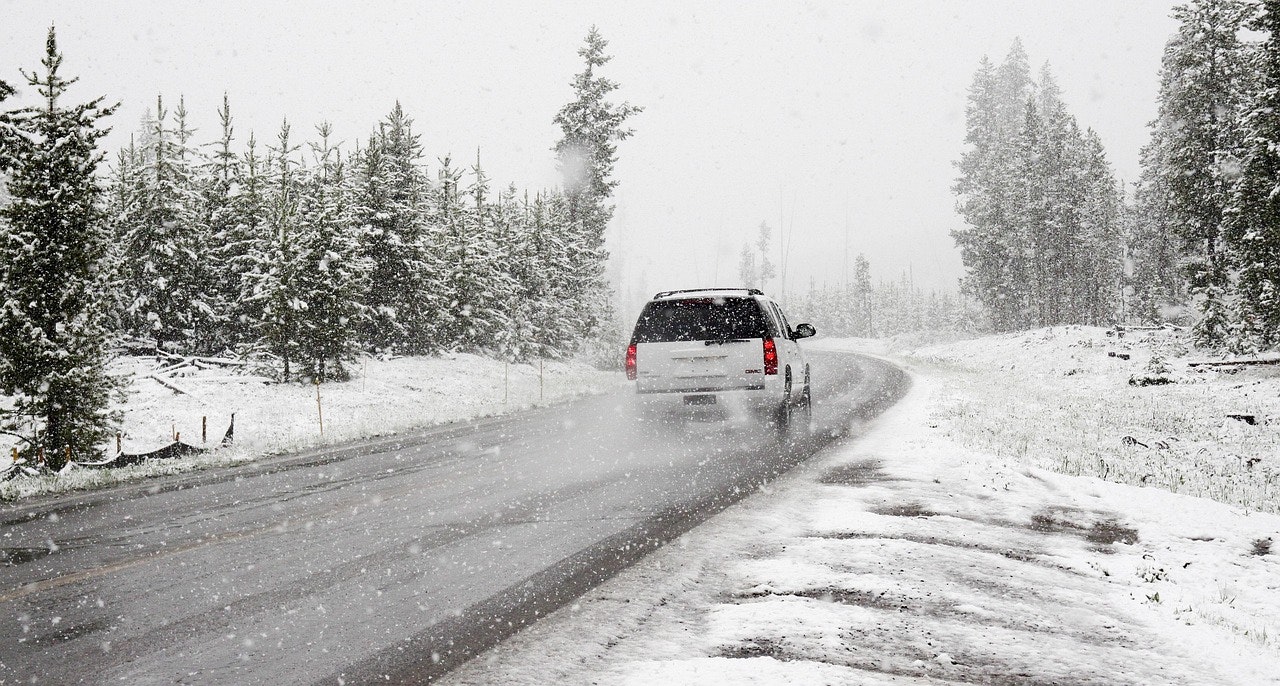
Winter weather can turn normal roads dangerous within minutes. Slippery intersections, hidden ice patches, and reduced visibility create serious driving risks during colder months. Accidents connected to snow and ice may also create legal problems when insurance companies question fault, road conditions, or injury severity after collisions.
After serious winter crashes, many drivers contact a Denver personal injury lawyer to understand how icy road accidents may affect insurance claims and compensation discussions. Fast action and organized records may help accident victims protect important evidence after dangerous winter collisions.
1. Fault Becomes Harder To Prove
Icy roads sometimes make accident investigations more complicated. Drivers may blame weather conditions instead of unsafe driving behavior after collisions happen. Insurance companies also review road conditions carefully before deciding who caused the crash.
Police reports, traffic camera footage, and witness statements may help explain how the accident occurred. Drivers in Denver sometimes face difficult claim discussions when snow or black ice affects vehicle control during winter travel.
2. Injuries May Appear Later
Some injuries feel minor immediately after winter accidents. Adrenaline and shock may temporarily hide pain connected to neck strain, back injuries, or muscle damage. Several people notice symptoms hours or even days after the collision occurs.
Medical evaluations help create clear records after accidents, even when injuries initially seem small. Consistent treatment also helps doctors monitor pain, mobility changes, and recovery progress after serious winter crashes in Denver.
3. Snow Can Remove Important Evidence
Winter weather may erase accident evidence quickly. Tire marks, broken debris, and icy road conditions can disappear after snowfall, road cleanup, or changing temperatures. Missing evidence sometimes weakens compensation claims during insurance investigations later.
A Denver personal injury lawyer may help drivers organize photos, repair estimates, and weather reports before important details disappear. Early evidence collection usually creates stronger support during injury claim discussions connected to winter accidents.
4. Insurance Companies Ask Tough Questions
Insurance adjusters usually examine winter accident claims very carefully. Drivers may face questions about speed, tire condition, braking distance, or vehicle maintenance after collisions happen on icy roads. Disputes sometimes become more stressful when multiple vehicles are involved.
Accident victims should keep police reports, repair invoices, and weather information organized after crashes. Clear documentation may help explain dangerous driving conditions while supporting compensation discussions connected to the accident.
5. Recovery Costs Can Increase Quickly
Winter crashes sometimes create injuries that require months of treatment and recovery. Medical appointments, physical therapy, prescription costs, and missed workdays may create financial pressure very quickly after serious accidents. Families may struggle to manage expenses during recovery periods.
Strong injury claims usually depend on organized financial records connected to medical care and lost income. Careful documentation may help demonstrate how the collision affected physical health, employment, and daily routines after the accident.
Helpful Steps Drivers Should Take After Winter Accidents
Drivers may protect important records after icy road collisions by taking these actions quickly:
- Photograph vehicle damage and road conditions
- Save weather reports from the accident day
- Request copies of police accident reports
- Keep treatment records and medical invoices organized
- Collect witness names and phone numbers
- Avoid discussing fault publicly after the crash
Winter road accidents may create difficult insurance and legal challenges for injured drivers. Snow, black ice, delayed injuries, and missing evidence can all affect compensation discussions after serious collisions during colder months.
Drivers in Denver benefit from acting quickly after winter accidents instead of waiting for problems to grow larger. Organized records, medical treatment, and strong evidence collection may help support injury claims during difficult winter-related disputes.