
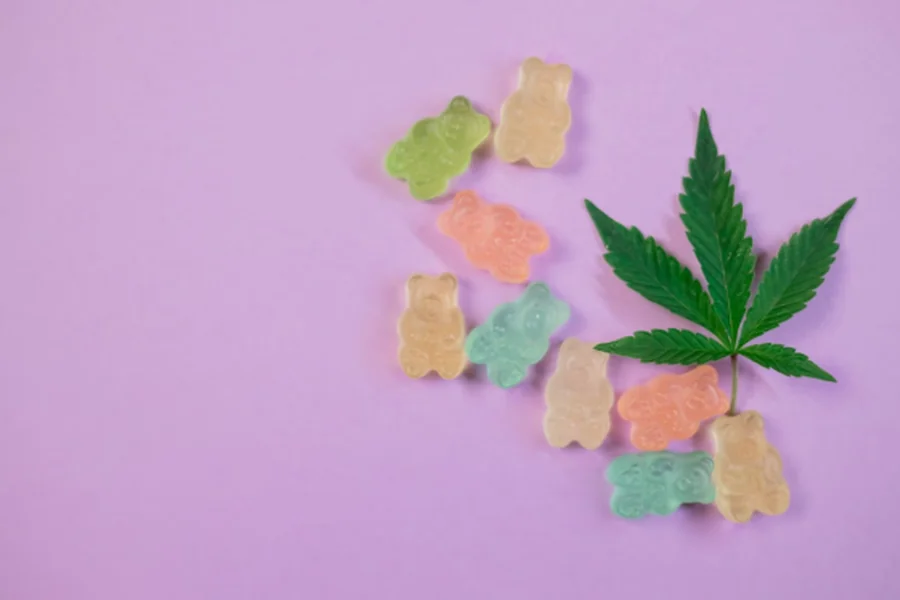
introduction
I’ve spent years watching this industry from the inside, and let me be honest: the gap between what’s on the label and what’s in the jar can be wide. Most shoppers pick a bottle based on flavor and price. Fair enough. But there’s a lot happening behind the scenes that never makes it onto the packaging. Here’s what I wish everyone knew before checking out.
“Full-spectrum” and “isolate” are not the same thing. These words get tossed around like they mean the same product, but they don’t. Full-spectrum keeps a range of hemp compounds, while isolate is stripped down to pure CBD. Neither is “better”—they’re just different, and the label should tell you which one you’re actually paying for.
The milligrams on the front can be a magic trick. A bottle screaming “1500mg” might sound strong until you realize that’s the total across the whole container, not per gummy. Divide that number by the count and you’ll get the real dose. Companies know big numbers sell, so always read the per-piece amount before you get excited.
A Certificate of Analysis is the only receipt that matters. This is the lab report showing what’s really inside—cannabinoid levels, and whether contaminants like pesticides or heavy metals turned up. If a brand won’t share a current, third-party COA that matches the batch you’re holding, walk away. The good cbd gummies come with this proof; the sketchy ones hope you never ask.
Cheap almost always means corners were cut somewhere. Quality hemp, clean extraction, and real lab testing cost money. When a price seems too good to be true, it usually is—maybe the testing was skipped, or the hemp was grown somewhere with loose standards. You’re not just paying for candy; you’re paying for a process you can’t see.
“Hemp gummies” might contain almost no CBD. Here’s a sneaky one. Some products advertise “hemp” or “hemp seed oil” to ride the trend, but hemp seed oil contains little to no CBD at all. Check the ingredient list for actual CBD or hemp extract, not just seed oil, or you may be buying expensive gelatin.
The color and clarity tell a small story. Natural extracts often carry an earthy, slightly herbal taste and a less-than-perfect color. Overly bright, candy-shop-perfect gummies sometimes lean heavily on artificial dyes and flavors to mask the hemp. That’s not automatically bad, but it’s worth knowing what you’re actually putting in your body.
Batch consistency is harder than it looks. Getting an even dose into every single gummy is a genuine manufacturing challenge. Cheaper operations may not distribute the extract evenly, so one piece could be strong and the next barely there. Reputable makers test for this, which is another reason that COA matters so much.
Shelf life and storage actually change the product. CBD degrades over time, especially with heat, light, and air. A bottle sitting in a hot warehouse or a sunny store window for a year isn’t the same as one that’s fresh. Check for a manufacture or expiration date, and store yours somewhere cool and dark once you get it home.
Nobody can legally promise you a cure. This is the big one. If a seller claims their cbd gummies will treat, heal, or cure a specific condition, that’s a red flag—both for honesty and for legality. Responsible brands describe their products carefully and let you make your own informed choice. Wild promises usually mean someone’s more interested in your wallet than your trust.
final thought
The bottom line: buying well isn’t complicated once you know where to look. Read the per-piece dose, demand the lab report, and be skeptical of prices and promises that seem too generous. The brands worth your money are the ones that make this information easy to find—no digging required. You’ve got everything you need now to shop like an insider instead of a first-timer.