

Respiratory diseases usually start with mild symptoms that can be easily ignored. You can have a runny nose, feel exhausted, or have a light cough, and think that it is a seasonal cold. But these initial symptoms are occasionally associated with respiratory syncytial virus (RSV), which also occurs in adults and, in some cases, causes more severe respiratory complications.
Since the symptoms of RSV are similar to those of other common infections, it might be hard to assess when the disease needs closer monitoring or if the symptoms are slowly deteriorating. Thus, it is significant to identify the general pattern of RSV symptoms.
Once you know how the disease normally progresses, it becomes clearer to observe the change in your health. Besides that, the awareness of when the symptoms need medical attention is likely to help in avoiding complications.
This article describes common RSV symptoms in adults and identifies signs that suggest when it is time to seek medical attention.
Common RSV Symptoms in Adults
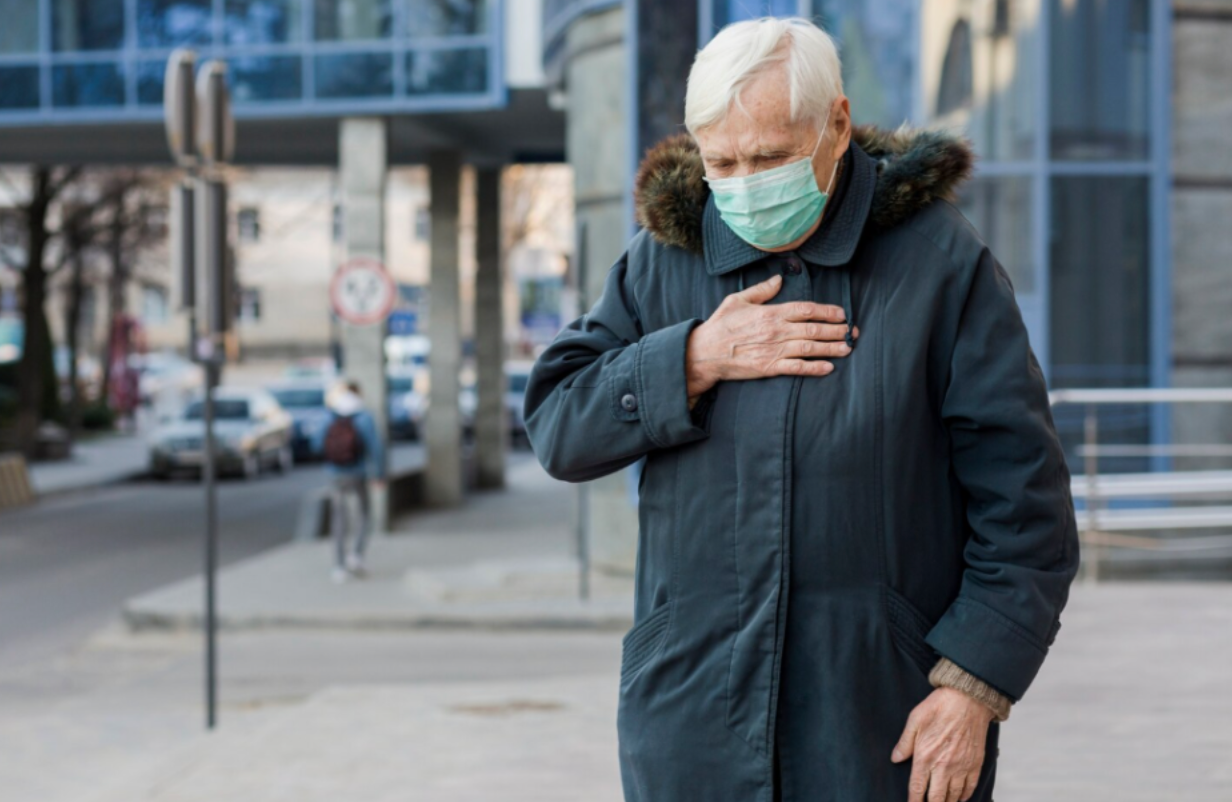
Respiratory syncytial virus may have varying effects on adults, and symptoms tend to develop slowly after exposure. Due to the similarity of these symptoms with other respiratory conditions, early identification of RSV symptoms in adults can help you pay closer attention to the disease.
The following paragraphs describe the most common symptoms that adults can have during an RSV infection.
1. Early Cold-Like Respiratory Signs
Early RSV infection is usually similar to the common cold. At the beginning, most individuals experience mild respiratory problems without knowing that it could be due to the symptoms of RSV in adults. Since these symptoms are similar to other seasonal diseases, they are mostly ignored in the initial days.
In most cases, the symptoms emerge two to eight days after exposure, after an incubation period without any observable symptoms. When the symptoms occur, they tend to mimic mild cold symptoms.
For example, you can have a runny nose, nasal congestion, sore throat, or slight coughing. Moreover, the body reacts to the infection and may cause fatigue or throat irritation.
2. Nasal Congestion and Throat Irritation

If the infection spreads further, the nasal congestion and irritation in the throat can become more prominent. The virus irritates the lining of the throat and nose, and this is why these symptoms can persist in the initial phase.
Moreover, you can get a nasal congestion, sneezing, or a slight sinus pressure. Likewise, pain in the throat may occur due to the secretion of mucus through the nasal passages. These symptoms are similar to those of a normal cold, but they can last longer in some people.
Besides, the congestion may complicate nasal breathing, especially at night. Therefore, disturbed sleep can cause more daytime fatigue.
3. Persistent Cough and Chest Discomfort
As RSV continues, coughing often becomes more noticeable. In many adults, the cough begins mildly but gradually becomes more frequent as the respiratory tract becomes irritated.
During this stage, coughing may produce thicker mucus or cause mild chest discomfort. In some cases, a dry cough may continue even when other symptoms begin to improve.
Moreover, symptoms often become more noticeable between days four and six, which is commonly the peak stage of the illness. During this period, coughing may worsen, and chest discomfort may increase.
4. Fatigue, Fever, and Body Weakness

RSV can also cause symptoms that affect the entire body. As the immune system responds to the infection, you may experience fatigue, low-grade fever, or general weakness.
Moreover, fatigue usually develops gradually and may resemble the tiredness experienced during other viral illnesses. Headaches or mild body discomfort may also occur as the immune response increases.
However, many adults begin to notice gradual improvement within seven to fourteen days after symptoms peak. Fever and body weakness typically reduce as the body clears the infection.
5. Wheezing and Breathing Difficulty
In some cases, RSV may affect the lower respiratory tract. When this occurs, breathing-related symptoms may appear.
For example, wheezing may develop, producing a high-pitched sound while breathing. Shortness of breath or chest tightness may also occur, particularly during physical activity. These symptoms develop because inflammation narrows the airways.
Even after most symptoms begin to improve, mild respiratory irritation may remain. In fact, cough or slight chest tightness can persist for up to four weeks while the respiratory tract recovers.
RSV Symptoms That Need Medical Attention

Although many adults recover from RSV without complications, certain symptoms should not be ignored. Recognizing these warning signs helps ensure timely medical evaluation.
You should seek medical care if symptoms worsen or begin interfering with breathing or daily activities. Warning signs include:
- Shortness of breath
- High fever
- Severe cough
- Chest tightness
- Extreme fatigue
- Confusion
In more serious situations, emergency care may be required. Severe breathing difficulty, bluish lips or face, or a sudden decline in alertness may indicate reduced oxygen levels and require immediate medical attention.
Bottomline
RSV in adults often begins with symptoms similar to a common cold. Initially, a runny nose, congestion, sore throat, and mild cough may appear. However, these early signs can gradually progress to more noticeable symptoms such as persistent coughing, fatigue, or breathing discomfort. Therefore, monitoring changes in symptoms becomes important as the illness develops.
In most cases, adults recover within one to two weeks, although a lingering cough or fatigue may continue while the respiratory tract heals. However, worsening breathing problems, high fever, or unusual fatigue should not be ignored, as they may require medical attention.