
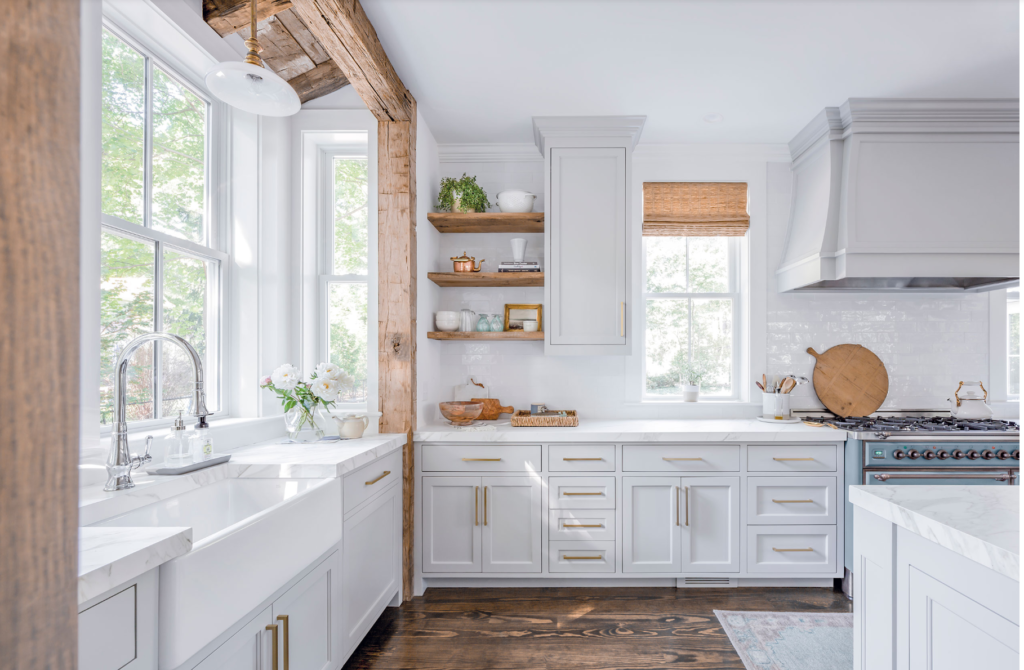
Scrolling through beautifully curated interiors can make any homeowner feel inspired to upgrade their space. Clean lines, warm lighting, spa-like bathrooms, and magazine-worthy kitchens create a vision that feels both exciting and attainable. But there’s a gap most people don’t anticipate, the difference between inspiration and execution.
Turning ideas into a space that functions well in everyday life requires more than good taste. It requires decisions grounded in layout, materials, and long-term usability.
Why Inspiration Alone Isn’t Enough
Digital platforms are excellent for gathering ideas, but they rarely show the constraints behind the final result. Lighting conditions, structural limitations, plumbing placement, and budget realities are often invisible in those images.
When homeowners begin planning a renovation, especially something like Portland kitchen remodeling, they often bring a collection of saved images that don’t necessarily align with their actual space. A layout that works in a large open-plan home might not translate to a compact kitchen, and a minimalist bathroom may not suit a household that needs heavy daily use.
The key is not to replicate inspiration, but to interpret it.
Understanding What You Actually Like
Before making any design decisions, it helps to break down what specifically draws you to a space. Is it the color palette, the lighting, the materials, or the layout?
For example, a kitchen photo might stand out because of its warmth. That feeling could come from natural wood finishes, layered lighting, or open shelving, not necessarily the exact layout or cabinetry style.
Similarly, a bathroom might feel luxurious because of texture and contrast rather than expensive materials. Recognizing these underlying elements allows you to adapt ideas instead of copying them blindly.
The Role of Layout in Real-Life Functionality
A well-designed kitchen or bathroom is not just visually appealing; it works effortlessly with your daily habits.
In kitchens, workflow matters more than aesthetics alone. The relationship between the sink, stove, and refrigerator should minimize unnecessary movement. Storage should reflect how you actually cook, not just how the space looks in photos.
In bathrooms, layout becomes even more critical. Morning routines, shared usage, and storage needs all influence how the space should be structured. A visually stunning design can quickly become frustrating if it lacks practical flow.
This is where thoughtful planning, especially in projects like Portland bathroom remodeling, makes a measurable difference. The goal is to create a space that feels intuitive, not just attractive.
Materials: Where Aesthetics Meet Durability
One of the most common mistakes in remodeling is choosing materials based solely on appearance. What looks good in a photo may not perform well over time.
Countertops, for example, need to withstand heat, stains, and daily wear. Flooring in bathrooms must handle moisture without becoming slippery or prone to damage. Cabinet finishes should be easy to maintain, especially in high-use areas.
Balancing aesthetics with durability ensures that the space continues to feel new long after the renovation is complete.
Budgeting for Impact, Not Just Coverage
Another challenge homeowners face is trying to do everything at once. This often leads to spreading the budget too thin, resulting in compromises across the board.
A more effective approach is to focus on high-impact elements. In kitchens, this might mean investing in cabinetry and layout improvements rather than purely decorative upgrades. In bathrooms, it could mean prioritizing fixtures and lighting that enhance both usability and atmosphere.
Strategic budgeting creates a space that feels intentional rather than incomplete.
Bridging the Gap Between Vision and Execution
The transition from idea to reality is where most projects succeed or fail. It requires translating inspiration into technical plans that account for space limitations, building requirements, and long-term use.
This process often involves refining ideas, adjusting expectations, and making trade-offs. The end result may not look identical to the original inspiration, but it should capture the same feeling while functioning better in your specific environment.
Professionals who specialize in remodeling bring a practical lens to this process. They help identify what works, what doesn’t, and how to achieve the desired outcome without unnecessary complications.
Creating Spaces That Age Well
Trends evolve quickly, but renovations are long-term investments. Designing with longevity in mind ensures that your kitchen or bathroom remains relevant and functional for years.
Neutral foundations, adaptable layouts, and timeless materials tend to outperform trend-driven choices. This doesn’t mean avoiding personality; it means incorporating it in ways that can evolve.
Lighting, hardware, and décor elements can be updated easily, while structural decisions should be made with durability and flexibility in mind.
Final Thoughts
The most successful renovations are not the ones that look exactly like a photo; they’re the ones that feel right every day. They reflect how you live, move, and interact with your space.
Inspiration is a starting point, not a blueprint. The real value comes from understanding how to translate that inspiration into a design that works in practice.
For homeowners navigating this process, working with experienced teams like JDI Construction can help bridge that gap, turning ideas into spaces that are not only beautiful but genuinely livable.