
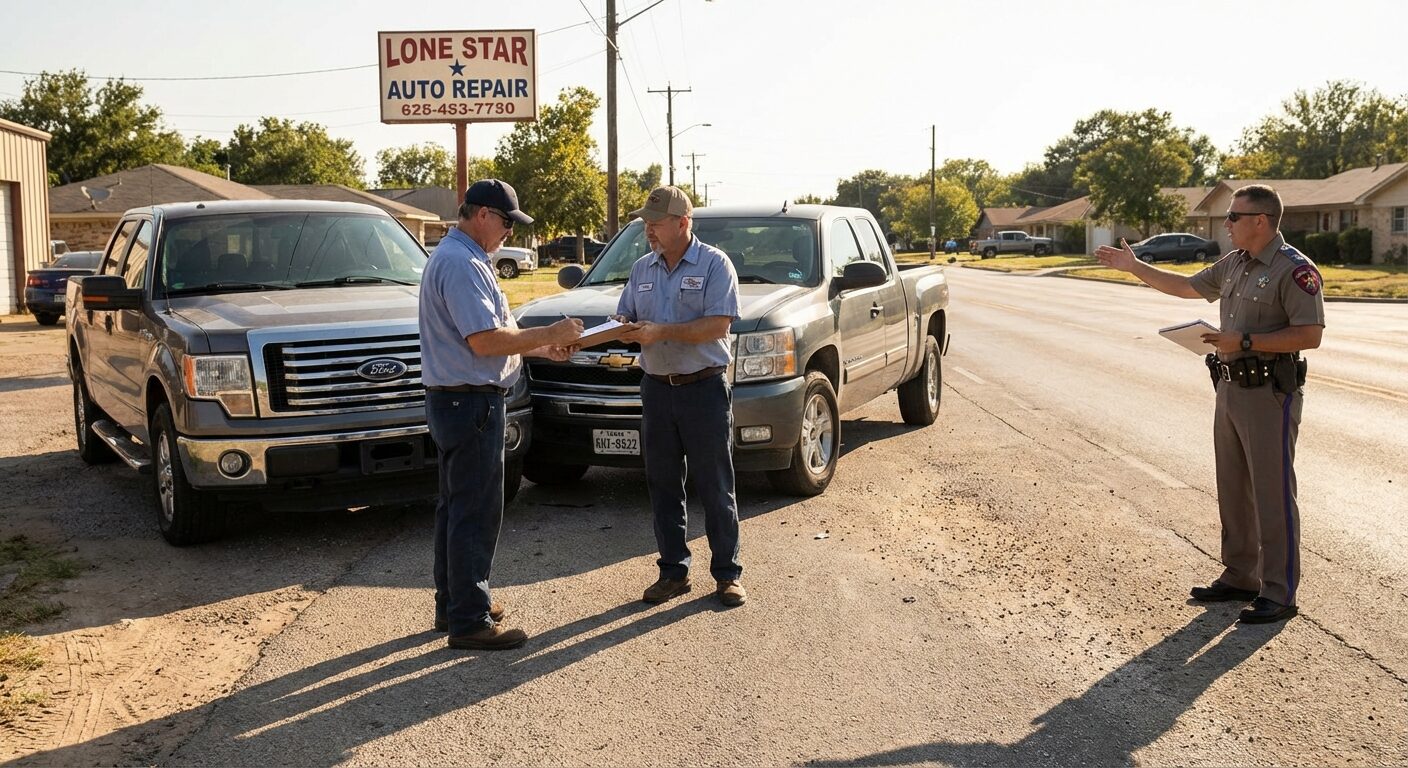
Rear-end crashes are the most common vehicle accident type in the Dallas-Fort Worth area and the category where liability is most often assumed to be simple. The driver who rear-ended the car ahead was following too closely. In practice, that picture is contested by insurance adjusters in a significant proportion of rear-end claims, and the defenses they raise can seriously undermine cases where the evidentiary record is incomplete.
The Presumption and How Texas Law Applies It
Texas Transportation Code Section 545.062 requires drivers to maintain a safe distance behind the vehicle ahead, sufficient to stop safely if the vehicle ahead slows or stops. A driver who strikes the vehicle ahead has presumptively violated this requirement. Texas courts have consistently held that the rear-end collision creates a rebuttable presumption of negligence against the following driver, and the burden shifts to that driver to produce evidence explaining why the collision was not their fault.
Texas adjusters and defense attorneys regularly attempt to rebut this presumption with the sudden stop defense, arguing that the lead vehicle stopped so abruptly and without cause that no driver following at a safe distance could have avoided the collision. This defense requires proving both that the lead vehicle stopped suddenly and that the stop was unforeseeable, a factual argument that depends heavily on which version of events the available evidence supports.
The EDR Counter to the Sudden Stop Defense
The most effective evidence for defeating the sudden stop defense is the at-fault vehicle’s event data recorder data. EDR data captures pre-crash speed, brake application timing, and throttle position in the five seconds before impact. A following driver who was traveling at 65 miles per hour with zero brake application recorded in the three seconds before impact was not following at a safe distance and was not responding to a sudden stop.
EDR data must be preserved through a formal legal hold before the at-fault vehicle is repaired. Once the vehicle enters a body shop, the module may be cleared or replaced and the pre-crash data is lost. Getting a preservation demand to the at-fault driver’s insurer within 48 to 72 hours after the crash is the step that makes this evidence available when it is needed.
The Soft Tissue Documentation Problem in DFW Rear-End Claims
Rear-end crashes produce cervical acceleration-deceleration injury affecting the soft tissues of the neck and upper back, the most challenged injury category in Texas personal injury litigation. Defense adjusters attack these claims through normal imaging results, treatment gaps, and the argument that vehicle damage was too minor to cause significant injury.
Consistent medical treatment from the date of the crash forward, with clinical documentation of objective findings at each visit, is the most effective counter to the soft tissue minimization strategy. The Texas Department of Transportation’s crash statistics document injury patterns in rear-end crashes across Texas. Working with an experienced rear-end accident claim lawyer gives injured people the medical documentation strategy and evidentiary counter-arguments that these specific defense tactics demand.