
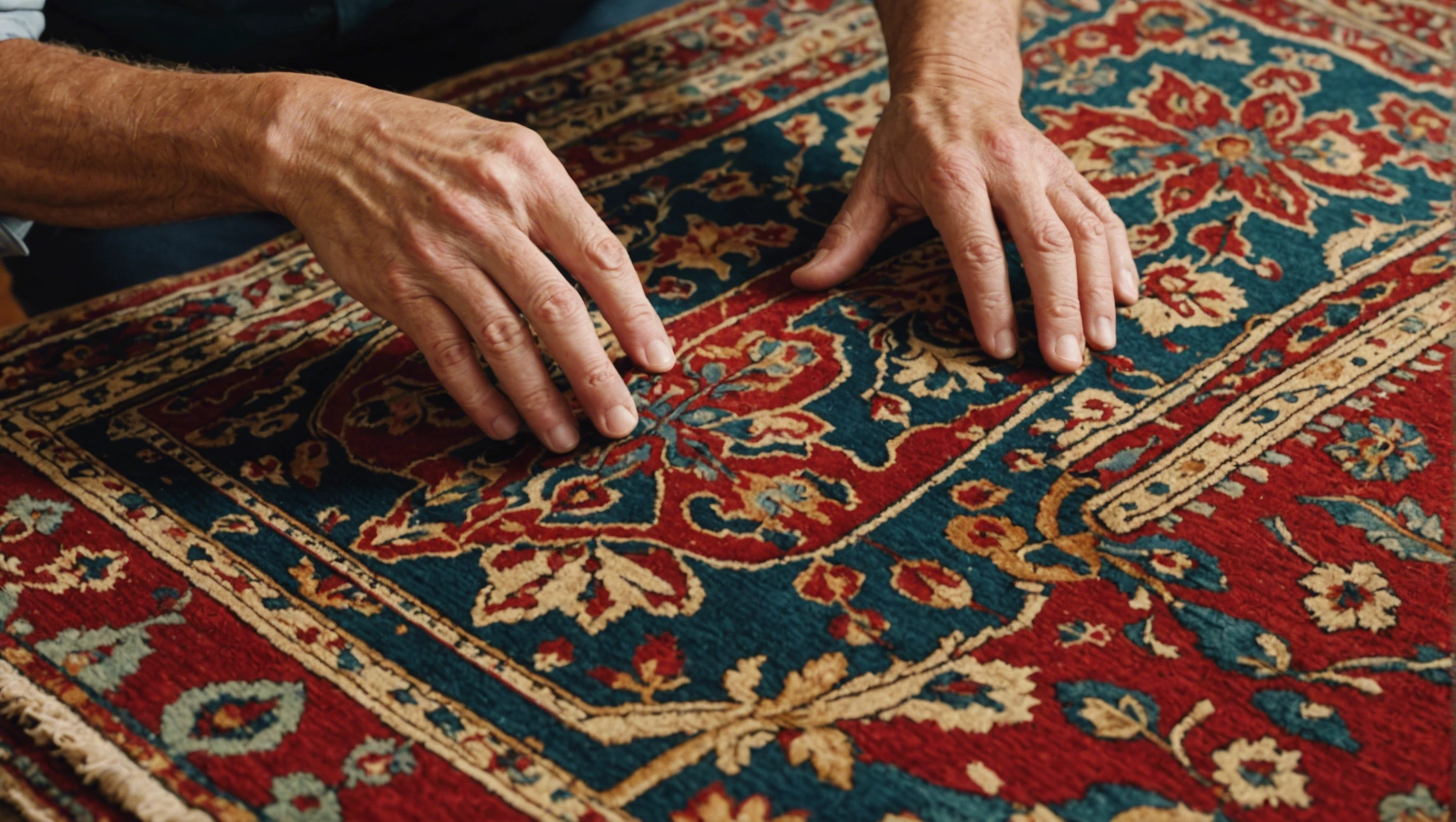
Most people don’t think of a rug as an heirloom.
It’s easy to focus on furniture, artwork, jewelry, or family photographs when discussing valuable possessions. Yet for many families, a rug quietly becomes one of the most meaningful items in a home. It may have been purchased during a special trip, passed down through generations, received as a wedding gift, or simply been present during decades of family milestones.
Over time, these rugs become woven into the story of a household.
Children learn to crawl on them. Families gather around them during holidays. Pets nap on them. Life happens on them every day.
That’s why discovering damage to a cherished rug can feel surprisingly emotional. Whether it’s wear from years of foot traffic, accidental staining, water damage, or structural deterioration, homeowners often worry that a beloved piece may be beyond saving.
Fortunately, many rugs can be restored far more successfully than people realize. Professional rug repair service specialists use a combination of craftsmanship, patience, and technical expertise to preserve rugs that hold both financial and sentimental value.
Every Rug Tells a Different Story
One reason rug restoration is so fascinating is that no two projects are exactly alike.
Some rugs arrive with decades of wear but relatively minor structural issues. Others may have suffered extensive damage from water, pets, sunlight, or improper cleaning attempts.
Many handmade rugs have histories that span generations.
In some cases, homeowners don’t even know exactly how old a rug is. They simply know it has always been part of the family.
That history is one reason restoration professionals approach each piece individually rather than applying a one-size-fits-all solution.
Age Doesn’t Always Mean Replacement
A common misconception is that older rugs are automatically beyond repair.
In reality, age alone rarely determines whether a rug can be restored.
Many handmade rugs were constructed using techniques and materials designed to last for decades. Even rugs that appear severely worn often retain a surprisingly strong foundation beneath the visible damage.
The Most Common Problems Restoration Experts See
Over time, even well-maintained rugs experience wear.
Some of the most common issues include:
- Frayed edges
- Worn fringe
- Fading colors
- Small tears
- Fiber loss
- Uneven wear patterns
- Damage caused by moisture
While these problems may appear cosmetic at first, they often become structural concerns if left untreated.
Small Damage Has a Way of Growing
A loose thread or minor tear may not seem urgent.
However, rugs experience constant movement and pressure. What begins as a small issue can gradually spread across larger sections of the rug.
Addressing problems early often improves restoration outcomes significantly.
Restoration Is More Than Cleaning
Many homeowners assume restoration simply involves deep cleaning.
While cleaning is often part of the process, true restoration goes much further.
Depending on the rug’s condition, specialists may perform:
- Reweaving
- Fringe reconstruction
- Edge stabilization
- Color correction
- Structural reinforcement
- Fiber replacement
These techniques require both technical training and artistic skill.
The goal isn’t merely making the rug look better. It’s preserving the craftsmanship and extending the rug’s lifespan.
Handmade Rugs Require Specialized Knowledge
Handmade rugs present unique challenges because they are constructed differently than machine-made products.
Materials such as wool, silk, cotton, and natural dyes all respond differently to cleaning and repair methods.
Restoration professionals must understand:
- Weaving techniques
- Fiber characteristics
- Dye stability
- Historical construction methods
This knowledge helps ensure repairs blend naturally with the original design.
Preserving Authenticity Matters
A successful restoration doesn’t erase a rug’s history.
Instead, it preserves the rug’s character while repairing damage that threatens its longevity.
The best restorations are often the ones that feel almost invisible.
Why Restoration Often Makes Financial Sense
Replacing a high-quality handmade rug can be extremely expensive.
For antique rugs, imported pieces, or family heirlooms, finding an equivalent replacement may be impossible.
Restoration frequently offers a more practical and affordable solution.
Beyond financial considerations, many homeowners simply want to preserve the memories associated with a particular rug.
Some things can’t be replaced by shopping for something new.
The Emotional Value of Preservation
Ask someone why they want to save an old rug, and the answer often has little to do with money.
The rug may remind them of a grandparent’s home. It may have witnessed family celebrations, holidays, and milestones. It may simply feel like part of the home itself.
These emotional connections are often what make restoration worthwhile.
Professionals understand they’re not just repairing fibers and fringe. They’re helping preserve a piece of someone’s history.
Giving Meaningful Pieces a Second Life
One of the most rewarding aspects of rug restoration is seeing homeowners reconnect with pieces they thought were lost forever.
Rugs that arrive faded, damaged, or structurally compromised often leave looking remarkably renewed.
Many families choose to repair your valuable rugs because restoration allows those pieces to continue serving future generations rather than being discarded.
Protecting More Than Just a Rug
A beautiful rug can transform a room, but its true value often extends far beyond appearance. Rugs hold memories, traditions, and connections that become more meaningful over time. Professional restoration helps preserve those stories while protecting the craftsmanship that made the rug special in the first place. For families who view their rugs as part of their history, restoration isn’t simply a repair—it’s an investment in preserving something irreplaceable.