
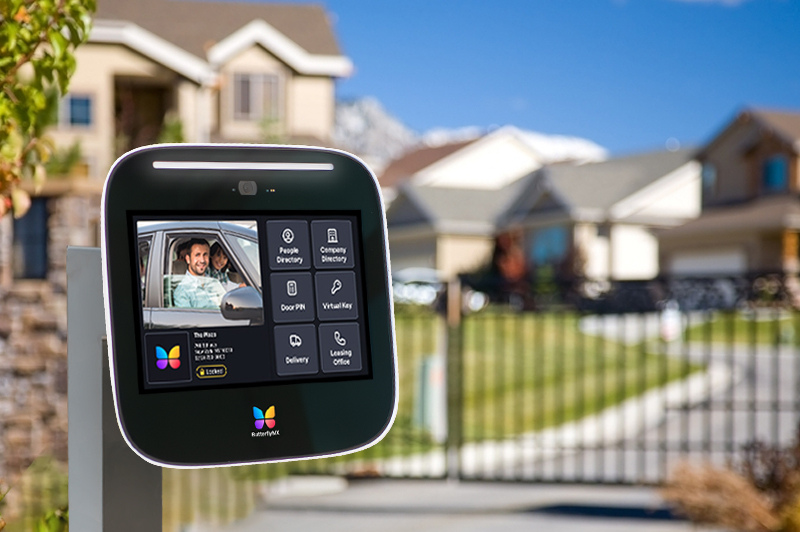
Home security has evolved far beyond traditional locks and spare keys hidden under flowerpots. Today’s homeowners are looking for smarter, more convenient ways to protect their properties while making everyday life easier. As technology continues to become a bigger part of our daily routines, it’s no surprise that smart entry systems are rapidly gaining popularity among homeowners of all ages.
One of the main reasons for this shift is the growing availability of access control systems that allow homeowners to manage entry points with greater flexibility and confidence. These solutions are helping families improve both security and convenience without making major changes to their homes.
The Rise of Connected Living
Modern homeowners expect technology to simplify their lives. From smart thermostats and video doorbells to automated lighting systems, connected devices have become common features in many households.
Security has naturally followed the same trend. People want the ability to monitor and manage access to their homes from wherever they are. Whether they’re at work, traveling, or simply away for the day, having control at their fingertips offers peace of mind that traditional locks alone cannot provide.
Smart entry systems make this possible by allowing homeowners to monitor access, receive notifications, and adjust permissions through mobile apps and connected devices.
Why Traditional Keys Are Becoming Less Practical
Physical keys have served homeowners well for generations, but they come with several disadvantages. Keys can be lost, misplaced, copied, or forgotten. Managing multiple copies for family members, guests, and service providers often creates unnecessary stress.
Consider how often homeowners need to provide access to others. A pet sitter, cleaning service, contractor, or visiting relative may require temporary entry. With traditional locks, this often means coordinating schedules or distributing spare keys.
Smart entry systems eliminate many of these challenges by allowing homeowners to grant and revoke access digitally whenever needed.
Better Visibility and Control
One of the most attractive benefits of smart entry systems is the ability to track activity.
Many modern systems allow homeowners to:
- See when doors are opened and closed
- Receive instant notifications
- Assign unique access credentials
- Create temporary permissions
- Monitor entry activity remotely
This added visibility helps homeowners stay informed about who is entering their property and when.
Convenience for Busy Households
Today’s families often have complex schedules. Children may arrive home from school at different times, service providers may need daytime access, and guests may come and go throughout the week.
Managing all of this with physical keys can be cumbersome. Smart entry technology streamlines the process by providing more flexible access options.
Remote Access Management
One particularly useful feature is the ability to lock and unlock doors remotely. If a family member forgets their key or a visitor arrives unexpectedly, homeowners can provide access without being physically present.
Temporary Credentials
Instead of creating extra keys, homeowners can issue temporary codes that expire automatically after a designated period. This reduces the need to track spare keys while maintaining control over who has access.
Smart Home Integration
Many smart entry systems integrate seamlessly with other smart home devices. Cameras, alarms, lighting controls, and entry systems can work together to create a more comprehensive security environment.
Enhanced Security Features
Convenience is important, but security remains the primary concern for most homeowners. Smart entry systems offer several features designed to strengthen protection while reducing common risks.
For example, many systems can automatically lock doors after a specified period. This helps prevent situations where someone accidentally leaves a door unlocked.
In addition, digital credentials are often easier to manage than physical keys. If access needs to be removed, permissions can typically be updated instantly without changing locks or replacing hardware.
Reducing the Risks of Key Duplication
One common concern with traditional keys is that homeowners often have little control over duplicates once keys have been distributed. It can be difficult to know how many copies exist or who may still have access.
Smart entry systems help address this issue by providing direct control over access permissions. Homeowners can add, modify, or remove credentials whenever necessary.
A Solution for Modern Families
Households today are more dynamic than ever. Multi-generational living arrangements, flexible work schedules, and frequent visitors create unique security challenges that traditional locks were never designed to handle.
Smart entry technology adapts to these changing needs by offering customizable access options that can evolve as family situations change.
Rather than replacing keys every time circumstances shift, homeowners can simply adjust user permissions and access settings.
Looking Ahead
As technology continues to advance, smart entry systems are becoming more accessible and user-friendly. Features that once seemed futuristic are now practical solutions for everyday homeowners.
The combination of security, convenience, and flexibility makes these systems an attractive investment for families looking to modernize their homes. As awareness grows, more homeowners are discovering how keyless solutions can simplify access management while enhancing overall security.
Opening the Door to Smarter Security
The growing popularity of smart entry systems reflects a broader trend toward connected living and proactive home protection. Homeowners want solutions that fit their lifestyles while providing reliable security. By offering greater control, improved visibility, and everyday convenience, smart entry technology is helping redefine what modern home security looks like.