
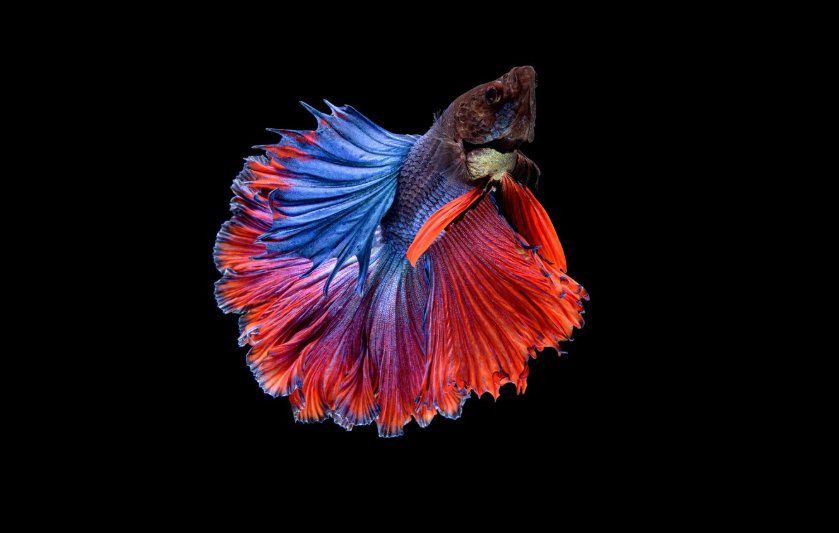
Female betta fish are beautiful, intelligent, and full of personality. While many aquarium keepers enjoy the idea of keeping several female bettas together, creating a successful group requires careful planning. Female bettas can be territorial, and conflicts may occur if the aquarium does not provide enough space, shelter, or resources.
In the aquarium hobby, a group of female Bettas kept together is commonly referred to as a betta sorority. Although sororities can work in some circumstances, they are not suitable for every fish or aquarium. Understanding their behaviour and preparing the environment properly can significantly improve the chances of maintaining a peaceful community.
Can Female Bettas Live Together?
Yes, female bettas can sometimes live together, but it is not guaranteed that they will get along. Individual temperament plays a major role in determining whether a group will remain peaceful.
Some females may establish a hierarchy with limited aggression, while others may repeatedly chase, nip, or attack tank mates. Because of this, anyone considering a sorority should be prepared to separate fish if serious aggression develops.
Keeping multiple female bettas together should be viewed as a more advanced aquarium setup rather than a simple way to house several fish.
Choosing the Right Aquarium
The aquarium environment is one of the most important factors when keeping female bettas together. A cramped aquarium can increase territorial disputes because fish have fewer opportunities to establish separate areas.
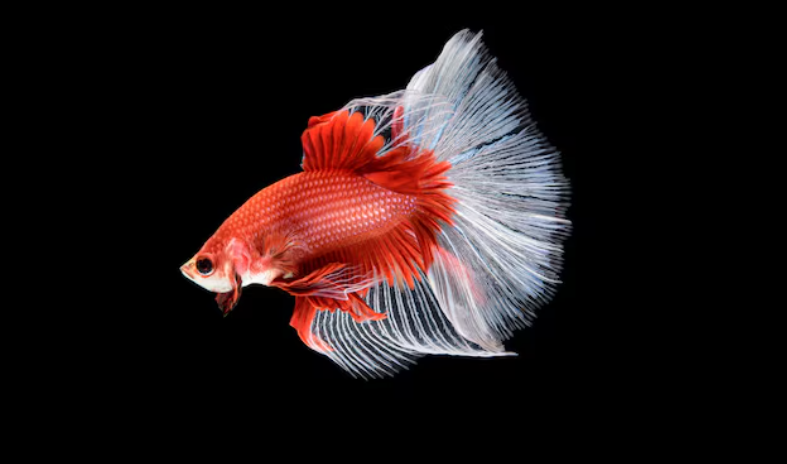
A larger aquarium generally provides more swimming space and allows you to create distinct territories. The exact requirements depend on the number and temperament of the fish, but providing as much appropriate space as possible is preferable to trying to maintain a group in a small tank.
A secure lid is also recommended because bettas can jump.
Creating Plenty of Hiding Places
A well-designed aquarium can help reduce tension between female bettas. Plants, driftwood, caves, and other aquarium-safe decorations create visual barriers and provide places where fish can retreat.
Live or silk plants are particularly useful because they can break up open swimming areas. Avoid decorations with sharp edges that could damage delicate fins.
The goal is to create an environment where one fish cannot constantly see and chase another throughout the entire aquarium.
Introducing Female Bettas Carefully
Introducing fish to a new environment requires care. Adding a new female directly into an established territory can sometimes lead to increased aggression.
Before introducing the fish, consider rearranging aquarium decorations and plants. This can disrupt existing territories and give all of the fish an opportunity to explore a somewhat unfamiliar environment.
Observe the group closely after introduction. Some chasing and displays can occur while the social hierarchy is established, but persistent attacks, severe fin damage, or a fish being prevented from accessing food are warning signs that intervention may be necessary.
Keeping Female Bettas Together Safely
For anyone interested in learning more about keeping female Bettas together safely, understanding their social behaviour, aquarium requirements, and potential risks is essential. A successful setup requires more than simply placing several female bettas in the same tank.
Good preparation includes providing sufficient space, creating multiple hiding areas, maintaining excellent water quality, and monitoring each fish regularly. It is also important to have a separate aquarium or suitable container available in case a fish needs to be removed because of aggression.
Watching for Aggression
Close observation is one of the most important responsibilities when maintaining a female betta group. Bettas naturally display territorial behaviours, including flaring, chasing, and brief confrontations.
However, persistent aggression should not be ignored. Watch for:
- Repeated chasing of the same fish
- Torn or severely damaged fins
- A fish constantly hiding
- Loss of appetite
- A fish being prevented from reaching food
- Persistent stress or unusual inactivity
If one fish is repeatedly targeted, separating the fish may be the safest option.
Feeding a Group of Female Bettas
Feeding several bettas together requires attention because dominant fish may consume most of the available food. Distributing food across different areas of the aquarium can help ensure that every fish gets an opportunity to eat.
Feed appropriately sized portions and remove uneaten food when necessary. Overfeeding can lead to excess waste and deteriorating water quality.
A high-quality betta diet can help support normal growth, colouration, energy, and overall health.
Maintaining Excellent Water Quality
Water quality becomes especially important when several fish share an aquarium. Waste can accumulate more quickly as the number of fish increases, potentially affecting ammonia and nitrite levels.
Regular water testing and partial water changes can help maintain a stable environment. A properly sized filter provides mechanical and biological filtration, but the filter should not create excessively strong currents.
Stable water temperature is also important because bettas are tropical fish.
Have a Backup Plan
One of the most important rules for a female betta sorority is to have a backup plan. Even a group that appears peaceful initially can experience changes in behaviour.
Keep a suitable secondary aquarium available so that an aggressive or severely stressed fish can be separated quickly. This is particularly important if you notice escalating aggression or injuries.
Remember that keeping female bettas together is optional. If a group cannot coexist peacefully, housing the fish separately may be the best solution.
Conclusion
Keeping female bettas together safely requires preparation, observation, and a willingness to intervene when necessary. Although female betta sororities can sometimes work, each fish has an individual temperament, and there is no guarantee that a particular group will remain peaceful.
Providing adequate space, plenty of hiding places, stable water conditions, appropriate nutrition, and careful monitoring can create a healthier environment. Most importantly, aquarium keepers should always prioritise the welfare of individual fish and be prepared to separate them if aggression becomes persistent.
With responsible planning and attentive care, you can make informed decisions about whether a female betta group is appropriate for your aquarium.