
Easy Access to Published Results
Access to draw outcomes has become easier than ever, with many people choosing digital sources to stay informed. For those interested in reviewing published winning numbers and historical outcomes, Checking Powerball results online provides a convenient way to access recorded draw information. While many people follow these results out of curiosity, the broader appeal often lies in understanding probability, randomness, and how chance events unfold over time.
Probability in Everyday Life
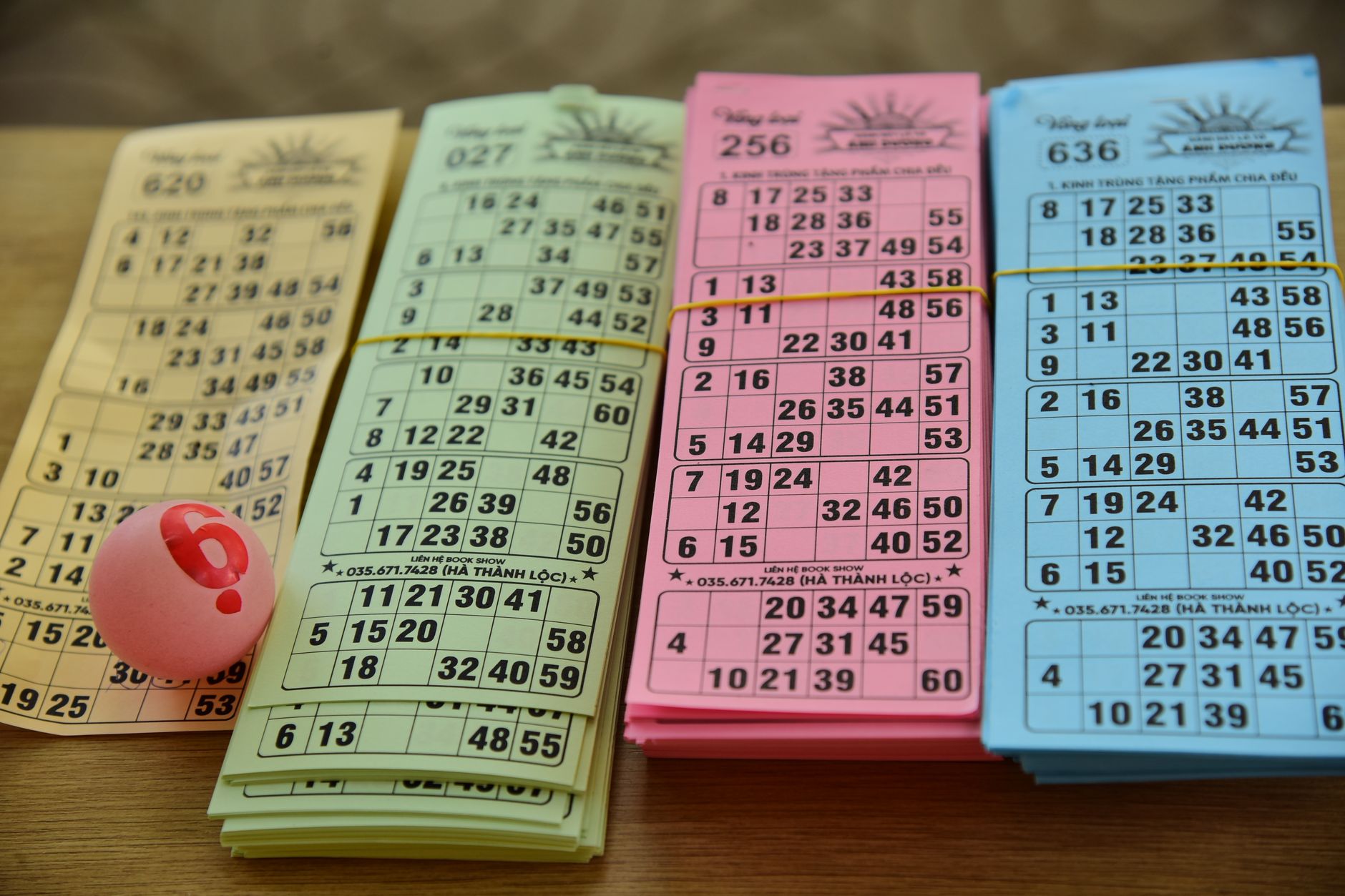
Random number draws have fascinated people for decades because they offer a real-world example of probability in action. Probability is the mathematical study of uncertainty and likelihood. Although the concept can seem complex in theory, number draws make it easy to observe how random outcomes occur. Each draw produces a fresh result, creating opportunities to explore how probability works in practice.
From classroom lessons to everyday discussions, probability helps explain why certain outcomes occur and why others remain unlikely. Random draws provide a simple and accessible way for people to engage with these concepts.
Why People Look for Patterns
One of the most intriguing aspects of random draws is the human tendency to search for patterns. People naturally look for connections and trends, even when events are entirely independent of one another. It is common to hear discussions about frequently appearing numbers, recurring combinations, or numbers that have not appeared for a long time.
Pattern recognition is a useful skill in many areas of life, but it can also lead to assumptions that are not supported by mathematics. When it comes to random events, observed patterns are often coincidences rather than indicators of future outcomes.
Understanding Independent Events
A common misunderstanding of randomness is the belief that previous outcomes can influence future ones. This idea is often referred to as the gambler's fallacy. For example, some people believe that a number that has not appeared recently is somehow more likely to be drawn next.
In reality, if a draw is conducted fairly and independently, every outcome has the same probability regardless of what happened before. Previous results do not change the likelihood of future results. Each draw operates as a separate event, making randomness both fascinating and sometimes counterintuitive.
The Appeal of Historical Data
Many people enjoy looking beyond individual draws and exploring larger datasets. Historical records allow users to compare results over time, identify interesting number frequencies, and examine how outcomes have varied across months or years.
The growing availability of online archives has made this process easier than ever. Individuals interested in statistics can review historical results and conduct their own analyses without needing specialist knowledge or software. While these reviews can be informative and entertaining, they generally do not provide reliable methods for predicting future outcomes.
How Technology Has Changed Access
Technology has transformed the way people access information. In previous decades, many people relied on newspapers, radio broadcasts, or television announcements to view draw results. Today, digital platforms provide immediate access to information from almost any location.
This shift has improved convenience and accessibility. Users can quickly review current results, browse historical records, and compare previous outcomes whenever they choose. The ability to access information instantly has contributed significantly to public engagement with random number draws.
Transparency and Public Trust
The publication of draw results also supports transparency. When outcomes are publicly available, people can independently verify information and review historical records for themselves. This openness helps build confidence in reporting processes and allows interested individuals to perform their own evaluations.
Access to archived results also encourages greater understanding of how random systems operate. Instead of relying on assumptions or hearsay, users can examine real data and draw their own conclusions.
Learning Through Real-World Examples
Random number draws are frequently used as educational tools. Mathematics teachers often use them to explain concepts such as probability, odds, combinations, and independent events. Because number draws are familiar to many people, they provide practical examples that make abstract concepts easier to understand.
By examining real-world outcomes, students can see how mathematical principles apply outside the classroom. This practical connection often helps improve comprehension and engagement with statistical concepts.
A Fascination With Uncertainty
Part of the enduring appeal of random draws comes from humanity's broader fascination with uncertainty. Many aspects of life involve outcomes that cannot be predicted with complete accuracy. Weather forecasts, sporting events, financial markets, and numerous everyday decisions all involve an element of chance.
Random draws provide a clear and visible example of uncertainty in action. They remind us that not every outcome can be anticipated and that chance continues to play a role in many areas of life.
More Than Just Numbers
Ultimately, the interest in random number draws extends far beyond the outcomes themselves. They offer insight into mathematics, psychology, data analysis, and human behaviour. People enjoy exploring probabilities, discussing unusual results, and examining historical trends, even when they understand that future outcomes remain unpredictable.
Whether viewed from an educational, statistical, or social perspective, random draws continue to capture public attention. Their combination of simplicity, transparency, and unpredictability makes them a lasting subject of curiosity for people around the world.