
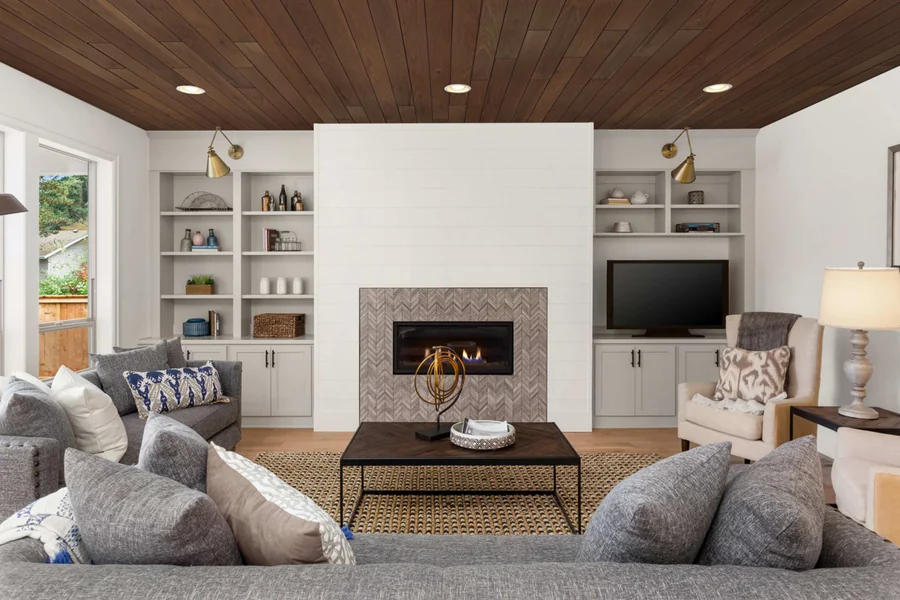
When people renovate a room, they usually think about the walls, flooring, furniture, and lighting first. The ceiling often gets little attention because it is normally painted white and left alone. However, the ceiling takes up a large part of a room and can have a big effect on how the space looks. Adding wood ceiling panels is one way to give this area more character without changing everything else in the room.
Wood has been used inside homes for a long time, but modern wood panels make it easier to use the material in a clean and practical way. They can add texture and warmth while working with different interior styles. Whether you are updating a living room, bedroom, office, or another part of the home, a wood ceiling can help make the space feel more complete.
Why Use Wood on the Ceiling?
A plain ceiling can make a room look unfinished, especially when the rest of the interior has carefully chosen colours and materials. Wood introduces a natural surface that gives the eye something to notice. The grain, shade, and layout of the panels can all change the appearance of the room.
Wood can also make a space feel warmer. This can be useful in modern homes where smooth surfaces, glass, metal, and painted walls are common. Adding wood overhead can balance those materials without requiring a complete change to the room.
Another advantage is flexibility. Wood comes in different shades, patterns, and finishes, so you can choose an option that matches the existing interior instead of having to redesign the entire space around the ceiling.
Choosing a Style That Matches Your Room
Not every wood ceiling needs to have the same appearance. The right choice depends on the style of the room and the result you want.
Light-coloured wood can help a room feel open and bright. It can work particularly well in smaller spaces or rooms with limited natural light. Medium wood tones can create a comfortable and balanced appearance, while darker finishes can give the ceiling a stronger presence.
The panel layout also affects the final result. Panels installed in one direction can make a room appear longer or wider depending on the shape of the space. A more detailed layout can make the ceiling stand out, while a simple arrangement can provide texture without becoming the main focus.
Before choosing a design, look at the room as a whole. The ceiling should work with the walls, floor, furniture, and lighting rather than looking like a separate feature.
Wood Can Make a Room Feel More Comfortable
The materials used in a room affect how people experience the space. A room filled with hard, smooth surfaces can sometimes feel cold or overly simple. Wood can help soften that appearance.
This does not mean every room needs a heavy wood design. Even a simple ceiling with a light finish can introduce enough texture to make a difference. The natural variation in the wood can also prevent a large ceiling from looking completely flat.
In living rooms, this can create a more comfortable setting for everyday activities. In bedrooms, wood can help create a relaxed environment. In home offices, it can add some character without taking up valuable wall or floor space.
Wood Ceiling Panels for Modern Homes
Wood is not limited to traditional or rustic interiors. It can also work well in modern homes when the panels have a clean design.
A simple wood ceiling paired with plain walls and modern furniture can create a balanced interior. The wood adds a natural element while the rest of the room keeps its clean appearance.
This approach can be useful if you want a modern room that does not feel too plain. Instead of adding many decorations, you can use the ceiling as one of the main design elements.
Wood can also work with materials such as concrete, glass, metal, and stone. These combinations can create contrast while keeping the overall design simple.
Using Wood Panels in Different Rooms
The living room is one of the most common areas where homeowners may consider a wood ceiling. Because it is often one of the largest rooms in a home, there is enough space for the ceiling to become part of the overall design.
Bedrooms can also benefit from wood panels. A warm wood tone can work with simple bedding, soft lighting, and neutral wall colours. The goal is not to make the ceiling overwhelming but to add another layer to the room.
Dining rooms and home offices are other areas where wood can work well. In a dining room, it can create a clear visual feature above the table. In an office, it can make the space feel more finished while keeping the walls available for shelves, artwork, or storage.
Hallways can also use wood ceilings, although the design should take the narrow space into account. A lighter finish may help prevent the area from feeling too enclosed.
Consider the Size and Height of the Ceiling
Room size should always be considered before choosing a ceiling material. A design that looks good in a large open room may not have the same effect in a small space.
Ceiling height is especially important. Dark wood can make a low ceiling feel heavier, while lighter wood can create a more open appearance. In a room with a high ceiling, a darker finish may help make the space feel more comfortable.
The amount of natural light also matters. If the room is already dark, a very dark ceiling may not be the best option. A lighter finish can help reflect more light and keep the space from feeling too closed in.
Plan Around Lights and Fixtures
Ceiling lights, fans, vents, and other fixtures need to be considered before installation. Panels may need to be cut around these areas, so planning can make the installation cleaner.
Lighting can also change the way wood looks. Natural light may bring out different tones during the day, while warm indoor lighting can make the wood appear deeper in the evening.
If you are planning recessed lighting, pendant lights, or other fixtures, decide where they will go before the ceiling work begins. This can help avoid unnecessary adjustments later.
Installation Should Be Done Carefully
A wood ceiling needs proper installation because the material will be attached overhead. Measurements should be accurate, and the existing ceiling should be checked before work begins.
The surface needs to be suitable for the installation method being used. The panels should also be secured properly so they remain stable over time.
If you are not comfortable handling ceiling work, hiring someone with experience can be a safer option. Professional installation can also help ensure that the panels are aligned correctly and that areas around lights and other fixtures are finished properly.
Taking time during installation can make a noticeable difference in the final appearance.
Think About Moisture and Maintenance
Wood requires some consideration when used indoors, especially in areas where humidity can change. Before installing panels, think about the conditions in the room and choose materials and finishes that are appropriate for the environment.
Regular cleaning is usually enough to keep the surface looking neat. Dust can collect on ceilings, so occasional cleaning can help maintain the appearance of the panels.
It is also useful to check the ceiling from time to time for signs of moisture or damage. Dealing with a leak or moisture problem early can help protect the wood and the rest of the room.
Making the Ceiling Part of Your Interior Design
A ceiling does not have to be an empty surface that simply blends into the background. With the right design, it can become an important part of the room.
Wood ceiling panels can add natural texture and warmth while giving homeowners more options when designing their interiors. They can work with simple modern rooms, comfortable traditional spaces, and many styles in between.
The most important part is choosing a design that makes sense for your home. Think about the size of the room, ceiling height, lighting, existing colours, and furniture before making a decision. You do not need to cover every surface in wood to create an impact. Sometimes, a simple ceiling treatment is enough.
With proper planning, suitable materials, and careful installation, a wood ceiling can become a practical and attractive part of a home. Instead of treating the ceiling as an afterthought, homeowners can use it to add another layer of design and make the entire room feel more connected.