
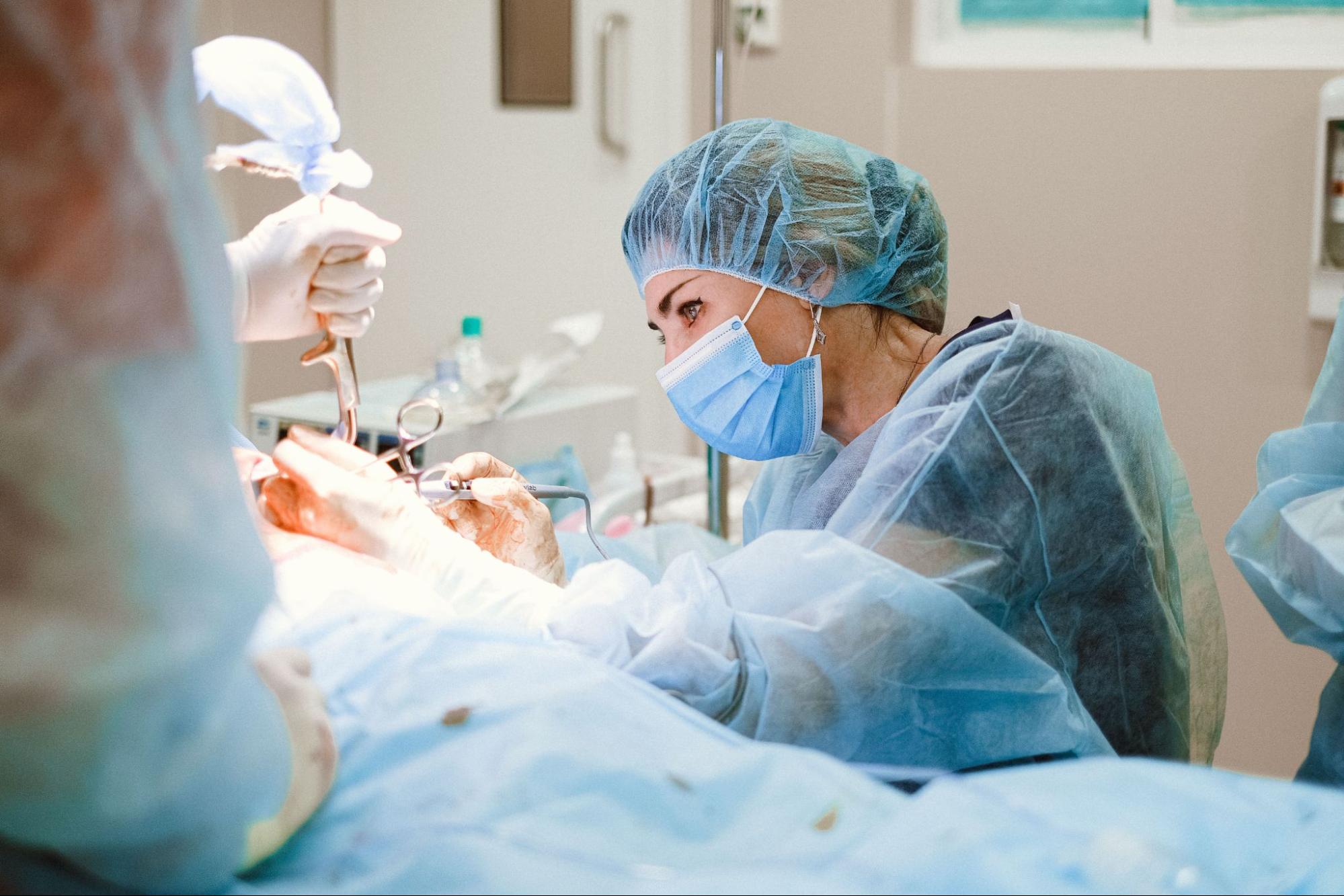
Recovery from breast augmentation follows a more predictable arc than most patients expect going in. The procedure itself tends to get the majority of pre-surgical attention — implant selection, surgical approach, anticipated outcome — while the weeks that follow receive comparatively less deliberate preparation. That imbalance tends to show up as surprise at the intensity of the early recovery period, and as decisions made reactively rather than with a plan already in place.
Preparation before surgery makes a measurable difference in how recovery actually goes. Patients who've thought through the practical requirements of the first week — what help they'll need, what they can't do, what their physical environment needs to look like to support healing — consistently report a more comfortable early recovery than those who arrive at the post-operative period without that groundwork done.
In practices like Six Surgery breast augmentation consultations typically build pre-operative recovery planning into the process as a standard element rather than an afterthought, covering activity restrictions, medication protocols, and follow-up scheduling in enough detail that patients aren't piecing together guidance from scattered sources once they're already in recovery. That kind of structured preparation before the procedure is worth seeking out regardless of where treatment happens.
The First Few Days
The immediate post-operative period is the most physically demanding stretch for most patients. Tightness across the chest — particularly for those with implants placed beneath the muscle — is the dominant sensation and is typically more intense than patients anticipated. This isn't pain in the way a cut or injury produces pain; it's the body responding to displaced tissue, and it resolves gradually over days rather than all at once.
Prescribed pain management handles this adequately when taken as directed and on schedule rather than waiting until discomfort becomes significant before taking medication. Staying ahead of discomfort in the first two to three days is considerably more effective than managing it reactively.
Sleeping in a slightly elevated position reduces pressure on the chest and tends to improve comfort during the first several nights. Arranging this before surgery — extra pillows, a wedge pillow, or a recliner that provides comfortable support at an angle — is a practical detail that makes a genuine difference at a moment when setting things up from scratch isn't realistic.
Practical Arrangements That Matter
The physical restrictions of early recovery are specific enough that they're worth thinking through against the actual layout and routines of daily life. Reaching above shoulder height is restricted for the first week or more. Lifting anything heavier than a few pounds is off the table for longer. Driving is typically prohibited for at least the first several days and often longer depending on the individual's medication use and comfort level.
This means that meals need to be accessible without significant effort, items used regularly need to be at counter height or below rather than on high shelves, and anyone with children or other dependents needs actual coverage arranged rather than a vague expectation that things will work out. Patients who treat these logistics as genuinely important planning items rather than minor details tend to experience the early recovery period as manageable rather than overwhelming.
Managing Swelling and Watching for Concerning Signs
Swelling and bruising in the first two weeks are normal and expected. The appearance of the result during this period doesn't reflect the final outcome, and patients who try to evaluate their surgical result while acutely swollen consistently set themselves up for unnecessary anxiety about an outcome that's still weeks away from being visible.
What's worth monitoring alongside normal swelling is anything that suggests a complication rather than typical post-operative response. Warmth, redness, or swelling that's increasing rather than improving after the first few days; fever; drainage that's excessive or has an unusual appearance; or asymmetry that's marked and changing rather than the mild asymmetry typical of uneven swelling — these are worth contacting the surgical team about rather than waiting for a scheduled follow-up.
The surgical team's contact guidance for after-hours concerns is worth having readily accessible rather than needing to locate it when a question arises at an inconvenient hour.
Returning to Activity Gradually
The graduated return to activity that recovery involves isn't a single clearance point — it's a series of incremental changes over weeks. Gentle walking typically resumes early to support circulation and reduce clotting risk. Lower body exercise generally returns before upper body. High-impact activity is among the last restrictions to lift.
The timeline for each step varies by individual and is something the treating surgeon determines based on how healing is progressing rather than a fixed calendar that applies uniformly. Patients who return to activity ahead of their surgeon's guidance because recovery seems to be going well are taking a risk that isn't worth the time saved — setbacks from premature activity can extend recovery considerably beyond what following the recommended timeline would have required.
The Longer Arc of Recovery
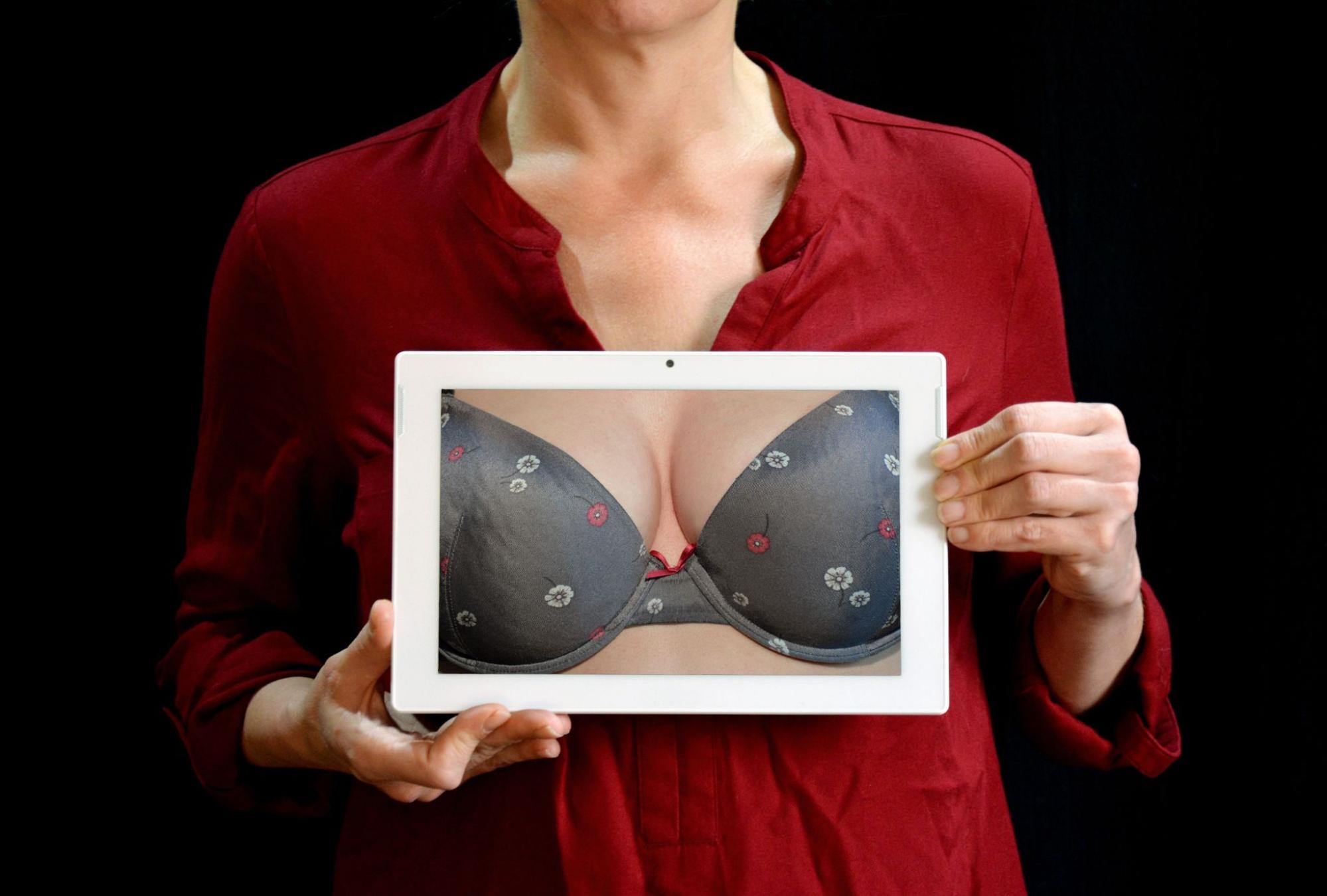
Final results from breast augmentation aren't visible at two weeks or even at six weeks. Full resolution of swelling and complete settling of the implants into their final position takes three to six months for most patients, and sometimes longer. Changes continue happening through this period in ways that aren't always obvious day to day but are visible when comparing photographs taken weeks apart.
Scar maturation extends considerably beyond the point when most patients consider themselves recovered — a year or more before scars reach their final appearance. Scar care guidance from the surgical team, followed consistently through this period, influences the eventual outcome more than most patients initially appreciate.