
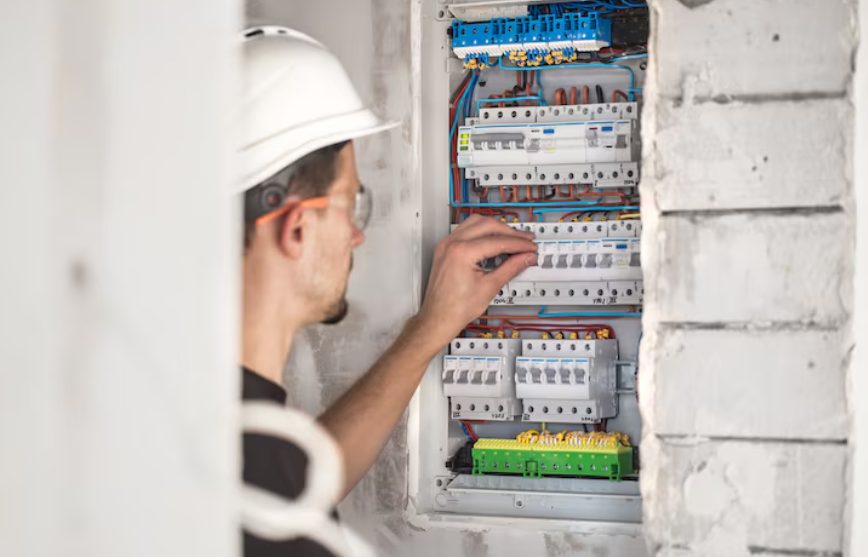
Asbestos was once widely used in construction and electrical equipment because of its strength, heat resistance and insulating properties. Before the health risks were fully understood, it was considered a useful material for many applications, including electrical switchboards and panels. Today, older electrical infrastructure may still contain asbestos materials, creating concerns for property owners, electricians, workers and occupants. An asbestos switchboard panel can be particularly important to identify and manage because disturbing asbestos-containing materials can release harmful fibres into the air.
Why Asbestos Was Used in Electrical Systems
Asbestos became popular in industrial applications because it could withstand high temperatures and provide electrical insulation. These properties were particularly useful in electrical environments where heat, sparks and electrical faults could create fire risks.
The material was also strong and resistant to wear, which made it suitable for components that needed to remain stable for many years. Electrical switchboards manufactured during earlier periods could therefore contain asbestos in panels, backing materials, barriers and other components.
At the time, manufacturers and builders did not have the same understanding of asbestos-related health risks that exists today. Asbestos was used across many industries, and its presence in older buildings is still a concern because some of these materials remain in place decades after they were installed.
The Health Risks of Asbestos Exposure
The main concern with asbestos is not simply that it exists in an older building. The greater risk occurs when asbestos-containing material is damaged, cut, drilled, broken, sanded or otherwise disturbed.
When asbestos-containing materials are disturbed, microscopic fibres can become airborne. If these fibres are inhaled, they can become lodged in the lungs and may contribute to serious diseases. Asbestos exposure has been associated with conditions including asbestosis, lung cancer and mesothelioma.
One of the difficulties associated with asbestos-related disease is that symptoms may take many years or even decades to develop. This long latency period means that people who were exposed in the past may not immediately have known that their health was affected.
For this reason, asbestos should be treated as a serious workplace and building safety issue, particularly when work is planned on older electrical equipment.
Why Older Switchboards Need Careful Attention
Older switchboards can contain asbestos in places that are not immediately obvious. A panel may look like ordinary board material, while asbestos could be contained within it or used as part of an electrical barrier.
The age and appearance of a switchboard alone cannot reliably confirm whether asbestos is present. Some materials may also have been painted, covered or modified over the years, making visual identification more difficult.
This is particularly important when electrical upgrades are planned. An electrician who needs to access an old switchboard may potentially disturb materials that contain asbestos. Cutting, drilling, removing or breaking components without proper assessment can increase the risk of fibre release.
Identifying Potential Asbestos Materials
If a building has an older electrical system, it is important to consider the possibility that asbestos-containing materials may be present. However, asbestos cannot always be identified safely or accurately simply by looking at it.
A professional asbestos assessment can help determine whether suspect materials contain asbestos. Depending on the circumstances, a qualified professional may inspect the material and arrange appropriate testing.
Property owners should avoid attempting to break or remove a suspicious panel simply to determine what it is made from. Disturbing an unknown material can create an unnecessary exposure risk.
When asbestos is suspected, the safest approach is to prevent unnecessary disturbance until the material has been assessed by an appropriately qualified professional.
Managing an Existing Asbestos Switchboard
Finding asbestos in an electrical switchboard does not automatically mean that the entire system must be removed immediately. The appropriate approach depends on the condition of the material, the likelihood of disturbance, the location and the work that needs to be carried out.
If asbestos-containing material is in good condition and unlikely to be disturbed, it may sometimes be managed in place under an appropriate asbestos management plan. In other situations, enclosure or encapsulation may be considered.
Removal may be necessary when the material is damaged, deteriorating or likely to be disturbed during electrical work. This should only be carried out using appropriate asbestos procedures and by suitably qualified professionals.
The key consideration is controlling the risk rather than attempting an unplanned removal.
Electrical Work and Asbestos Safety
Electrical work around older switchboards requires careful planning when asbestos may be present. An electrician may need to open a panel, access wiring, replace components, or upgrade the entire switchboard.
Before work begins, the condition and potential asbestos content of the equipment should be considered. If asbestos-containing material is suspected, the electrician and other relevant professionals need to determine how the work can be completed without unnecessarily disturbing it.
This is especially important for older properties undergoing renovations or electrical upgrades. A switchboard that has remained untouched for decades may not have caused any problems, but renovation work can change the level of risk because previously undisturbed materials may be moved or damaged.
Understanding Asbestos Regulations
Asbestos management is subject to workplace health and safety requirements, and these requirements can vary depending on the location and type of work being performed. Building owners, employers, contractors and workers may all have responsibilities when asbestos-containing materials are identified.
Licensed or appropriately qualified professionals may be required for certain asbestos-related activities, particularly where removal or significant disturbance is involved. Safe containment, handling, transport and disposal are important parts of the process.
Property owners should therefore avoid treating asbestos removal as a standard electrical repair. It involves separate safety considerations and may require coordination between electricians, asbestos professionals, building managers and other qualified specialists.
Modern Materials Have Replaced Asbestos
Asbestos is no longer used in the way it once was, and modern electrical and construction industries have access to alternative materials. Products made from materials such as fibreglass and other engineered insulating compounds can provide useful heat and electrical resistance without relying on asbestos.
Modern materials and improved safety standards have changed the way electrical equipment is designed and installed. These developments have helped reduce the need for asbestos-containing products in new infrastructure.
However, replacing asbestos with safer alternatives in modern manufacturing does not remove the need to manage asbestos in older buildings. Existing materials can remain in place long after their use has stopped.
Responsibilities of Property Owners
Owners and managers of older properties should be aware of the possibility of asbestos-containing materials. This is particularly relevant when a building has an older switchboard or electrical system that has not undergone significant modernisation.
Keeping records of known asbestos materials can make future maintenance and renovation work safer. If asbestos has already been identified, relevant workers and contractors should be informed before work begins.
It is also useful to consider asbestos during broader property maintenance planning. Electrical upgrades, renovations, demolition and repairs may all affect materials that have previously remained undisturbed.
Taking action before work starts can help prevent unexpected exposure and delays.
The Importance of Qualified Professionals
Asbestos and electrical systems involve different areas of expertise, so professional coordination is often important. Electricians can assess electrical safety and determine what work the switchboard requires, while asbestos professionals can assess and manage suspected asbestos-containing materials.
Neither task should be approached casually. Attempting to remove an old switchboard panel without understanding its composition could create unnecessary health risks. Likewise, attempting electrical work without appropriate knowledge can create electrical hazards.
Using qualified professionals allows the risks associated with both asbestos and electrical equipment to be considered before work begins.
Moving Towards Safer Electrical Infrastructure
Older electrical systems can provide useful reminders of how building materials and safety standards have changed over time. While asbestos once offered practical advantages for electrical applications, its health risks mean that existing asbestos-containing materials must now be carefully managed.
For building owners, awareness is an important first step. Understanding the age of the electrical system, identifying potentially hazardous materials and arranging professional assessments when needed can help reduce unnecessary exposure.
An asbestos-containing switchboard should never be disturbed simply because it looks old or needs updating. Proper assessment and planning should come first, particularly when electrical upgrades or renovations are being considered.
Protecting Older Buildings Through Proper Management
The presence of asbestos in an older electrical system does not necessarily mean that a building is unsafe to occupy. The level of risk depends on factors such as the condition of the material and whether it is likely to be disturbed.
The most important step is to understand what materials are present and manage them appropriately. Professional assessment, proper records, safe work practices and compliance with applicable regulations can help protect workers and building occupants.
As older electrical infrastructure continues to require maintenance and replacement, careful asbestos management remains an important part of responsible property maintenance. By dealing with these materials through informed planning and qualified professionals, building owners can address historical electrical hazards while moving towards safer and more modern systems.