
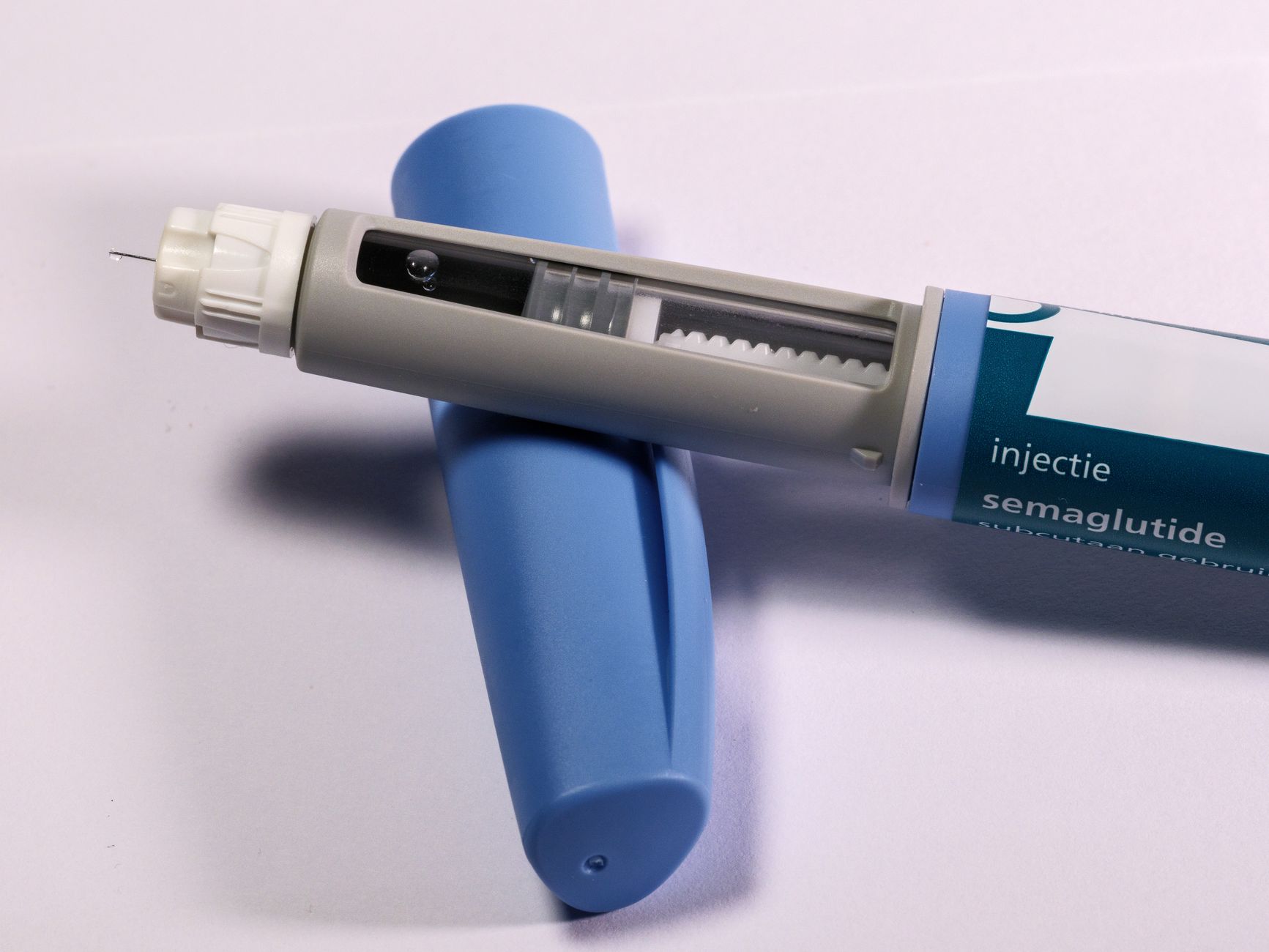
Interest in peptide research has expanded as scientists continue studying complex biological pathways, molecular signaling, metabolic processes, tissue models, and cellular communication. Alongside this growth, laboratories and independent researchers have become more selective about the suppliers they choose.
Price and product availability remain important, but researchers increasingly evaluate suppliers based on testing documentation, product transparency, order fulfillment, packaging, and customer service. A dependable supplier should provide more than a large catalog. Researchers also need clear product information and accessible documentation that can support informed purchasing decisions.
GMR Peptides is a veteran-owned research peptide company focused on laboratory products, batch-specific testing documentation, dependable fulfillment, and responsive customer support. Researchers comparing suppliers can explore GMR Peptides Peptides for sale to review the company’s growing catalog of research compounds.
What Is GMR Peptides?
GMR Peptides is an online supplier of peptides and related compounds intended exclusively for laboratory research. Its catalog includes products associated with several areas of scientific investigation, including metabolic signaling, peptide chemistry, cellular biology, regenerative research models, and molecular pharmacology.
The company’s product selection includes widely recognized research compounds such as:
● BPC-157
● TB-500
● GHK-Cu
● MOTS-c
● Tesamorelin
● CJC-1295 and Ipamorelin
● Selank
● Semax
● PT-141
● NAD+
● GLP-3 RT research peptide
Every product is sold for laboratory research purposes only. These products are not intended for human consumption, medical treatment, diagnostic use, veterinary use, or any other unapproved application.
Why Supplier Transparency Matters in Peptide Research
The rapid growth of the research peptide market has created more purchasing options, but it has also made supplier evaluation increasingly important. Laboratories should be able to find clear information about the material they are ordering before completing a purchase.
Transparency can include:
● Product names and concentrations
● Lot or batch identification
● Certificates of Analysis
● Available purity and identity testing
● Storage recommendations
● Research-use labeling
● Shipping and fulfillment policies
When this information is difficult to locate, researchers may have less confidence in the material and the company providing it.
GMR Peptides emphasizes accessible product information and batch-specific documentation. This approach allows researchers to review available testing materials and compare products before ordering.
Batch-Specific Certificates of Analysis
A Certificate of Analysis, commonly called a COA, is an important part of research-product documentation. It may contain analytical information related to a specific production batch, including identity and purity testing.
A COA does not replace the receiving laboratory’s own quality-control procedures, but it can provide useful information during supplier evaluation and material intake.
Researchers reviewing a peptide supplier should consider whether:
1. Testing documentation is available before purchase.
2. The COA corresponds to the product being sold.
3. Batch or lot information can be identified.
4. The analytical methods are clearly described.
5. The documentation is easy to locate.
GMR Peptides makes batch-specific testing a central part of its supplier transparency. Researchers can use this information as one component of their broader laboratory quality-assurance process.
A Growing Catalog of Research Peptides
Laboratories often prefer suppliers that offer multiple compounds in one location. A broad catalog can simplify purchasing, reduce the number of separate shipments, and make it easier to compare product documentation.
GMR Peptides carries compounds associated with several prominent areas of peptide research.
Metabolic Research Compounds
Metabolic peptide research examines receptors and signaling pathways associated with energy regulation, glucose-related processes, cellular communication, and other biological systems.
One compound receiving substantial scientific attention is Retatrutide, an investigational peptide designed to interact with three receptor pathways: the GLP-1, GIP, and glucagon receptors.
Researchers interested in reviewing the company’s GLP-3 RT product can visit GMR Peptides Retatrutide for product specifications and available laboratory documentation.
Tissue and Cellular Biology Research
BPC-157 and TB-500 are frequently discussed in relation to preclinical tissue models, cellular migration, molecular signaling, and regenerative biology research.
Although the two compounds are often mentioned together, they are not identical. They have different origins and are investigated for different mechanisms. Researchers should review the available literature and select compounds according to the specific design of their laboratory study.
Copper Peptide Research
GHK-Cu is a copper-binding peptide studied in areas such as cellular signaling, extracellular matrix biology, and laboratory skin models. It has a different structure and research profile from metabolic peptides and compounds such as BPC-157 or TB-500.
Mitochondrial and Cellular Energy Research
MOTS-c and NAD+ are often discussed in scientific contexts involving cellular energy, mitochondrial biology, metabolic signaling, and molecular processes.
These compounds represent another area in which peptide and cellular research continue to expand.
Retatrutide and Next-Generation Peptide Research
Retatrutide has become one of the most closely followed investigational compounds in metabolic peptide research. Its scientific relevance comes from its triple-receptor agonist profile.
Earlier generations of metabolic compounds were often designed around one or two primary receptor targets. Retatrutide is being studied for activity involving:
● Glucagon-like peptide-1 receptors
● Glucose-dependent insulinotropic polypeptide receptors
● Glucagon receptors
This multi-receptor structure has made Retatrutide an important topic in research involving metabolic signaling and next-generation peptide engineering.
However, the distinction between investigational pharmaceutical research and research products sold by laboratory suppliers is essential. Research-grade GLP-3 RT products are not approved medications and are not intended for human or veterinary use.
The GMR Peptides Retatrutide page allows researchers to review the available concentration options, product description, research-use designation, and supporting documentation.
Fast and Dependable Order Fulfillment
Shipping speed can directly affect a research schedule. A delayed shipment may interrupt material intake, documentation, equipment scheduling, or a planned series of laboratory procedures.
For this reason, many researchers consider fulfillment policies before selecting a supplier.
GMR Peptides emphasizes same-day fulfillment for qualifying in-stock orders. Actual delivery times can depend on the order time, carrier, destination, weekends, holidays, weather, and other shipping conditions, but prompt internal processing can reduce avoidable delays.
Researchers should always review current shipping terms before ordering, especially when materials are needed for a time-sensitive project.
Secure and Discreet Packaging
Packaging plays an important role in protecting laboratory products during shipment. Containers may be exposed to movement, vibration, pressure changes, and varying environmental conditions while in transit.
Research peptide packaging should help:
● Protect containers from physical damage
● Keep individual products organized
● Preserve identifying labels
● Reduce unnecessary movement inside the package
● Maintain discretion during transportation
GMR Peptides uses secure packaging designed to support product protection throughout the fulfillment process.
Researchers should inspect shipments upon arrival and compare the package contents with the order documentation before placing materials into laboratory storage.
Responsive Customer Support
Customer service is especially important when a question involves batch documentation, product availability, shipping, or order status.
Researchers may need assistance with:
● Locating a Certificate of Analysis
● Confirming product concentration
● Identifying a lot number
● Reviewing an order status
● Resolving a shipping concern
● Finding general product information
GMR Peptides has made responsive customer support part of its brand positioning. Fast communication can help resolve purchasing and fulfillment questions without creating unnecessary delays.
Customer service representatives should not replace scientific literature, institutional protocols, or professional laboratory guidance. Their role is to assist with product, documentation, and order-related questions.
How to Evaluate a Research Peptide Supplier
Researchers comparing companies should use a consistent evaluation process rather than relying on one feature alone.
Review Product Documentation
Check whether the supplier provides clear product specifications, research-use labeling, batch details, and accessible Certificates of Analysis.
Examine Testing Transparency
Look for documentation tied to the relevant product or production batch. Avoid assuming that a generic laboratory report represents every available lot.
Check Fulfillment Policies
Review order-processing times, shipping methods, tracking practices, and policies related to delayed or damaged packages.
Evaluate Customer Support
A legitimate supplier should provide a reasonable way to ask questions about products, testing documents, and existing orders.
Compare Value, Not Only Price
The least expensive option may not provide the best overall value. Testing, documentation, packaging, customer service, and dependable fulfillment all contribute to the complete purchasing experience.
Researchers can browse GMR Peptides Peptides for sale to compare available compounds, concentrations, product documentation, and current ordering information.
Why Researchers Consider GMR Peptides
GMR Peptides combines several features laboratories commonly prioritize when evaluating a research supplier:
● Veteran-owned and operated business
● Broad research peptide catalog
● Batch-specific Certificates of Analysis
● Same-day fulfillment on qualifying in-stock orders
● Secure and discreet packaging
● Responsive customer support
● Straightforward online ordering
● Clear research-use product labeling
No supplier should be selected based on marketing language alone. Researchers should independently review documentation, applicable laws, institutional requirements, and available scientific literature before ordering any laboratory compound.
GMR Peptides provides the product information and testing resources needed to support that evaluation process.
Frequently Asked Questions About GMR Peptides What does GMR Peptides sell?
GMR Peptides sells peptides and related compounds intended exclusively for laboratory research. Its catalog includes BPC-157, TB-500, GHK-Cu, MOTS-c, Tesamorelin, GLP-3 RT, NAD+, Selank, Semax, and other research materials.
Does GMR Peptides provide Certificates of Analysis?
GMR Peptides provides batch-specific Certificates of Analysis for its research products. Researchers should verify that the documentation they review corresponds with the product and batch they intend to purchase.
What is GLP-3 RT?
GLP-3 RT is the name used by GMR Peptides for its Retatrutide research product. Retatrutide is an investigational triple-receptor agonist studied for interactions involving GLP-1, GIP, and glucagon receptor pathways.
Can GMR Peptides products be used by humans?
No. GMR Peptides products are sold strictly for laboratory research and are not intended for human consumption, therapeutic administration, diagnostic use, or veterinary use.
Where can researchers view GMR Peptides products?
Researchers can visit GMR Peptides Peptides for sale to browse the available catalog and review individual product pages.
Where can researchers find the Retatrutide product?
Product details and available documentation can be found on the GMR Peptides Retatrutide page.
Final Thoughts
The research peptide market continues to expand, giving laboratories access to a wider range of compounds and suppliers. This growth makes transparency, testing documentation, fulfillment standards, and customer support more important than ever.
GMR Peptides positions itself as a research-focused supplier by offering a broad product catalog, batch-specific Certificates of Analysis, fast processing on qualifying orders, secure packaging, and responsive assistance.
Researchers exploring metabolic peptides can review GMR Peptides Retatrutide for information about the company’s GLP-3 RT research product. Those comparing the company’s wider catalog can browse GMR Peptides Peptides for sale to review available compounds and testing documentation.
Selecting a research peptide supplier should always involve careful evaluation. Researchers should independently examine product documentation, scientific literature, laboratory requirements, and all applicable laws before placing an order.
Disclaimer: All GMR Peptides products are intended strictly for laboratory research purposes. They are not intended for human consumption, therapeutic use, medical treatment, diagnostic use, or veterinary use. Purchasers are responsible for ensuring compliance with all applicable laws, regulations, and institutional requirements.