
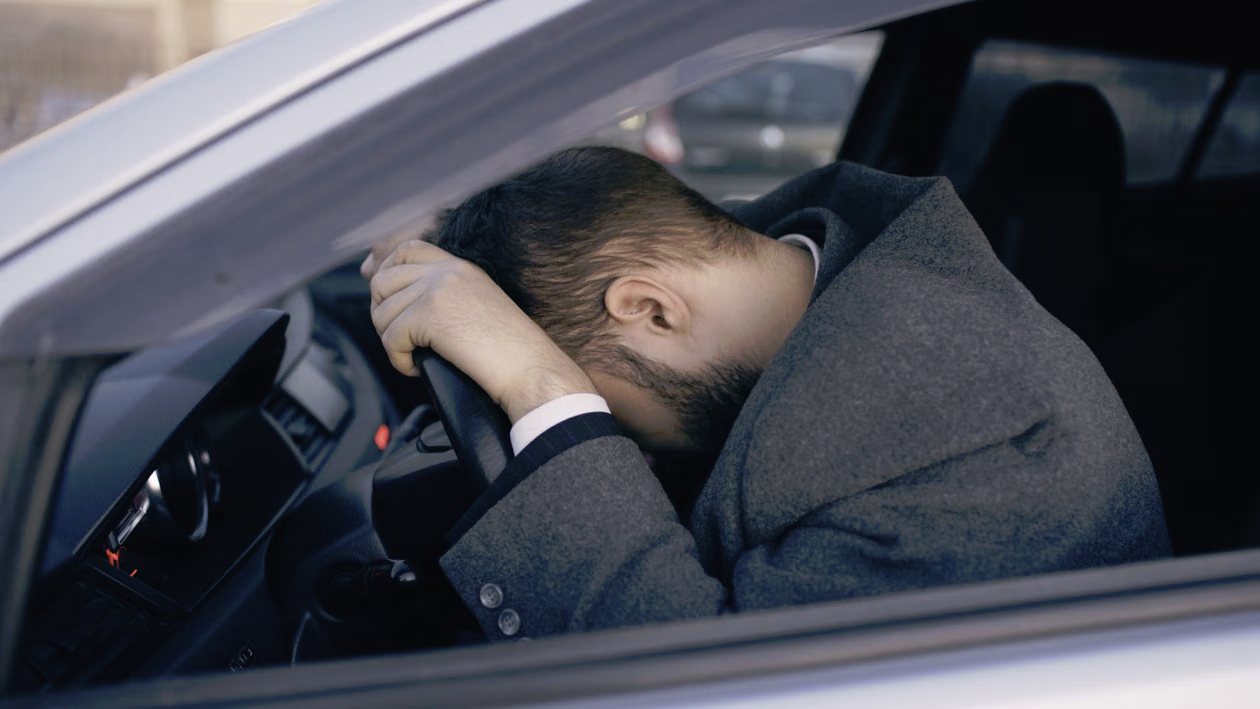
Public safety campaigns, stricter enforcement, and ride-sharing services have all aimed to reduce drunk driving, yet alcohol-impaired crashes remain a leading cause of preventable injury and death across the country. National statistics show that there are 37 alcohol-impaired driving deaths every day in the United States, which equals roughly one life lost every 39 minutes. This relentless statistic highlights a persistent failure in public safety systems.
Despite decades of awareness initiatives, the fundamental issue of drivers choosing to get behind the wheel while intoxicated continues to devastate families and overwhelm local resources. Understanding why prevention measures fall short requires looking past national headlines and examining how impaired driving directly damages local neighborhoods, municipal economies, and civil legal networks.
Image Source: Pexels
The Human and Financial Cost to Local Neighborhoods
When an impaired driver causes a crash, the immediate physical danger is only the beginning of a prolonged crisis for the surrounding community. Municipalities bear an immense financial burden following serious collisions, pulling emergency services, medical teams, and law enforcement away from other urgent needs, with annual costs exceeding $68.9 billion.
Beyond the direct emergency response costs, local infrastructure often suffers from damaged streetlights, destroyed guardrails, and compromised utility lines. Taxpayers end up footing the bill for these urgent repairs long before municipal insurance claims or court restitutions are processed.
The personal loss experienced by victims and their families creates a secondary wave of instability. When a primary breadwinner or caregiver is injured or killed by a drunk driver, financial distress spreads throughout the household.
Lost household income quickly leads to missed rent, unpaid medical bills, and lost productivity in local businesses. This domino effect strains community support networks and social service programs that step in to fill the structural void. If you’re planning to launch a new career, it’s doubly disruptive.
Structural Challenges in Enforcing Traffic Safety Laws
Law enforcement agencies utilize high-visibility saturation patrols and sobriety checkpoints to deter drunk drivers, but systemic loopholes and behavioral factors limit their long-term effectiveness.
- Drivers routinely use social media groups and navigation apps to map out police checkpoints in real time
- Repeat offenders frequently operate vehicles without a valid license or mandated ignition interlock devices
- Substance abuse disorders often override the perceived threat of legal penalties or financial fines
These operational hurdles explain why criminal penalties alone cannot fully eradicate the danger on public roads. Even with strict enforcement frameworks on the books, enforcement officers cannot monitor every mile of roadway during high-risk late-night hours.
The civil court system operates as a vital counterweight when criminal proceedings fall short of repairing victim losses, and navigating the aftermath of a severe crash requires distinct legal strategies, particularly in regions experiencing heavy traffic congestion and sprawling roadway systems, such as Oklahoma. Injured parties often need specialized support from skilled drunk driving accident attorneys based in Oklahoma City who understand local court procedures and civil liability frameworks. Having dedicated legal representation in high-risk metropolitan corridors ensures that negligent drivers and accountable third parties bear the true financial burden of the damage they inflict.
Building Sustainable Solutions Beyond Traditional Penalties
Solving the problem of alcohol-impaired driving requires shifting away from sole reliance on reactive law enforcement toward comprehensive community infrastructure investments.
Public transportation networks must expand late-night service options, particularly around entertainment districts where alcohol consumption is high. Relying entirely on rideshare services assumes every driver has the digital access or financial means to pay surge pricing during peak hours, creating a structural gap that leaves impaired individuals on the road.
Local governments and civic organizations must also prioritize public health initiatives that target alcohol dependency directly. Expanding access to localized addiction treatment programs, driver re-education initiatives, and community-led harm reduction frameworks addresses the root cause of recidivism rather than simply punishing the symptom.
Real progress happens when city planning, public health resources, and civil enforcement work together to remove impaired drivers from the road entirely. Explore more of our posts for the latest insights into lifestyle and travel news, as well as lots more content on a range of topics including fashion and celebrities.