
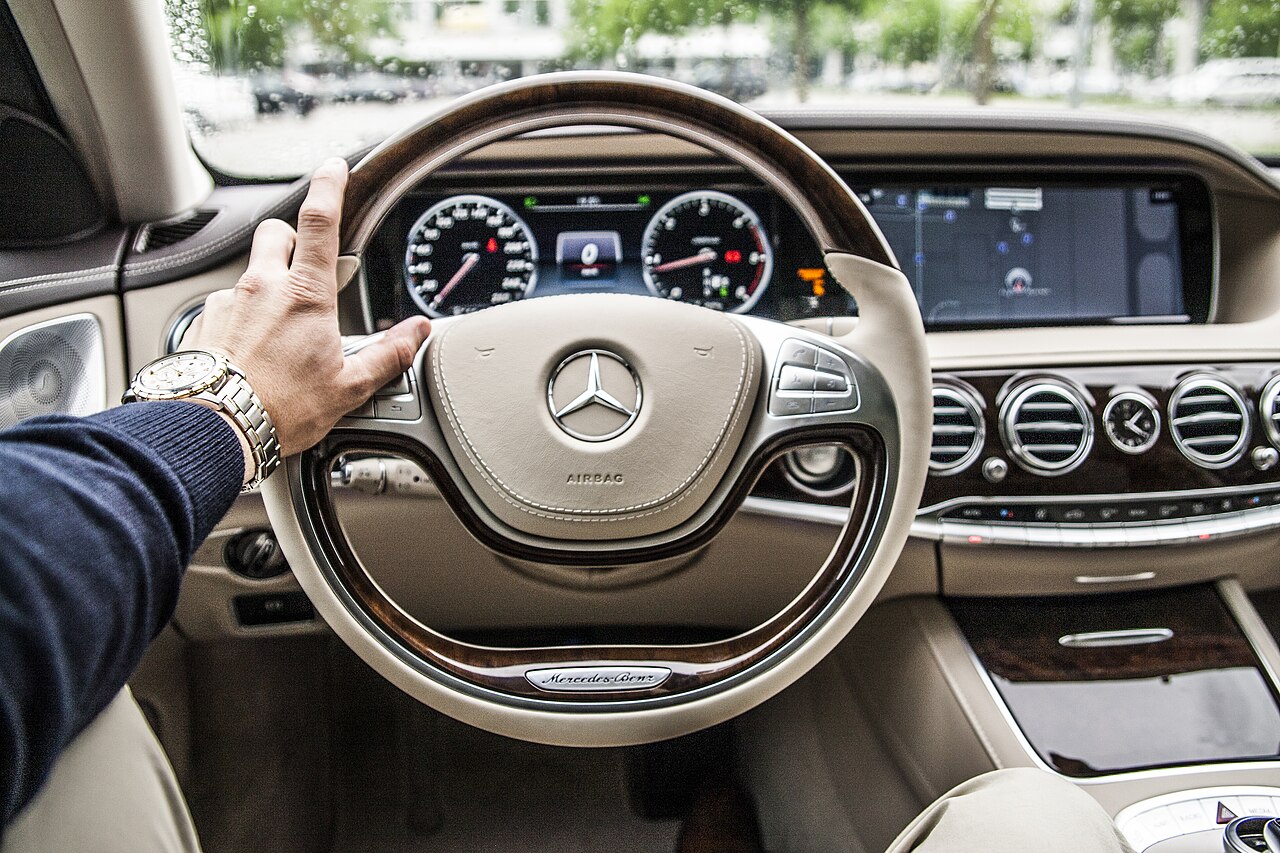
A car that adjusts its speed and helps remain centered in a lane can make a long drive feel less demanding. However, smooth operation may encourage drivers to divide their attention between traffic and activities inside the vehicle. When the roadway changes suddenly, the person behind the wheel may not be prepared to respond.
This risk is especially relevant to vehicles equipped with adaptive cruise control and lane-centering assistance. These systems can support driving, but they do not replace the driver’s responsibility to monitor the road. Understanding how misplaced confidence develops helps explain collisions involving technology that appeared to be working normally.
A Support Feature Can Change the Driver’s Role
The National Highway Traffic Safety Administration (NHTSA) distinguishes basic warnings from Level 2 assistance, which can control steering and speed at the same time. With Level 2 features engaged, the driver still supervises the vehicle and remains responsible for driving.
That monitoring role can be deceptively demanding. Instead of continuously steering and adjusting speed, a person watches for occasions when the technology needs help. The National Transportation Safety Board (NTSB) warns that people are poorly suited to sustained automation monitoring, making lapses in attention a significant concern. A system that handles two driving tasks is not necessarily capable of recognizing every hazard or selecting the safest response.
Hands-Free Operation Can Create a False Sense of Freedom
Some systems allow drivers to remove their hands from the wheel under specified conditions. This convenience may be misunderstood as permission to check messages, adjust entertainment settings, or focus on passengers. Yet hands-free assistance is not the same as driverless operation.
After a collision involving an assisted-driving vehicle, a car accident lawyer in Waco can examine whether the driver remained attentive and whether the system was used within its operating limits. The investigation must distinguish actual driver behavior from assumptions based on a vehicle’s advertised features.
Successful Trips Can Encourage Overconfidence
A feature that performs consistently during familiar commutes may start to seem more capable than it really is. Drivers may stop checking distant traffic as often because earlier trips required little intervention. This gradual change in behavior is known as automation complacency.
An Insurance Institute for Highway Safety (IIHS) field study found that participants using combined adaptive cruise control and lane centering became more likely to disengage from driving tasks over several weeks. The study was small, so its results do not describe every driver, but they illustrate why familiarity cannot substitute for attention. Repetition can make supervision seem optional just when an unusual event demands immediate judgment.
Ordinary Road Hazards May Exceed System Capabilities
Driver-assistance systems rely on sensors, software, and conditions for which they were designed. Faded lane markings, unusual construction patterns, and stopped vehicles may challenge their ability to maintain a safe path or detect a hazard.
In March 2026, the NTSB reported that overreliance on partial automation contributed to two fatal 2024 crashes involving stopped vehicles. Its findings reinforce the need to observe the roadway directly, even when the steering and speed functions appear stable. Drivers must understand the instructions and limitations specific to their vehicles. The agency also identified weaknesses in driver-monitoring safeguards; those findings do not mean that every vehicle has identical capabilities.
Alerts May Not Restore Attention Quickly Enough
Some vehicles use cameras, steering-wheel sensors, visual messages, and audible warnings to detect possible disengagement. These safeguards vary by manufacturer and cannot be assumed equally effective.
The NTSB has found that some monitoring systems failed to recognize distracted driving reliably. A driver may also look toward the windshield without actually paying attention to traffic ahead. Warning signals provide an additional safeguard, not a reason to stop observing the surroundings. Ignoring repeated alerts can leave little time for corrective action.
Taking Back Control Requires Recognition and Action
An automated system may disengage or request intervention as road conditions change. A driver who has been reading, daydreaming, or looking away must first recognize the problem, understand the vehicle’s position, and then steer or brake appropriately.
Those steps require time that may be unavailable near a curve, stalled vehicle, or sudden traffic queue. Staying mentally involved throughout the trip makes a takeover less abrupt. When the system behaves unexpectedly, the safest response depends on the immediate traffic situation, not on a universal steering or braking maneuver.
Crash Investigators Need More Than an Automation Label
After a collision, saying that a vehicle was "on autopilot" does not explain what the driver or system actually did. Investigators need to establish which features were engaged and what happened immediately before impact.
Relevant evidence can include:
- Original dashcam footage and nearby surveillance recordings
- Driver statements and witness observations
- Available vehicle speed, braking, and steering information
- System alerts and engagement records, if recorded
- Manufacturer instructions and known operating limits
- Road markings, lighting, and weather conditions
The NTSB has warned that automated-driving data recording is not standardized, so a complete digital account may be unavailable. Preserving original recordings matters because edited clips can omit the seconds leading up to the visible impact.
Technology Does Not Erase Ordinary Driving Duties
Texas Transportation Code § 545.060 requires safe movement between marked lanes, while § 545.351 requires speed appropriate to conditions. Using driver assistance does not automatically excuse violations of these duties. Section 545.4251 also restricts reading, writing, or sending electronic messages while operating a vehicle, subject to statutory exceptions.
A claim may involve disputed attention, a system limitation, another driver’s actions, or several factors together. Determining fault requires evidence about the collision rather than assuming the technology failed or the user misused it. A malfunction claim would require its own technical and legal support.
Safe Use Begins With Accurate Expectations
Automated assistance can reduce some repetitive driving tasks, but it can also make it tempting to stop monitoring traffic. Overconfidence, distracting activities, unreliable alerts, and delayed intervention can turn that temptation into danger.
Drivers can lower the risk by understanding their vehicle’s capabilities, following its instructions, and remaining ready to control it. After a crash, careful examination of both driver decisions and system behavior provides a more reliable account than the presence of automation alone.