

Let’s be real for a second—owning a business already comes with enough sleepless nights without throwing a surprise roof collapse or a flooded stockroom into the mix. But here’s the thing about property damage: it doesn’t send a warning email or give a heads-up. One minute, everything’s humming along nicely, and the next, there’s water everywhere, or worse, smoke rising from somewhere it definitely shouldn’t be. Some businesses shake it off and keep rolling; others shut their doors for good within months. The dividing line between those two outcomes? It almost always boils down to how well someone planned ahead—not the frantic, coffee-fueled kind of planning, but the slow, deliberate sort that turns a potential knockout punch into just another tough Tuesday.
Read Your Insurance Policy
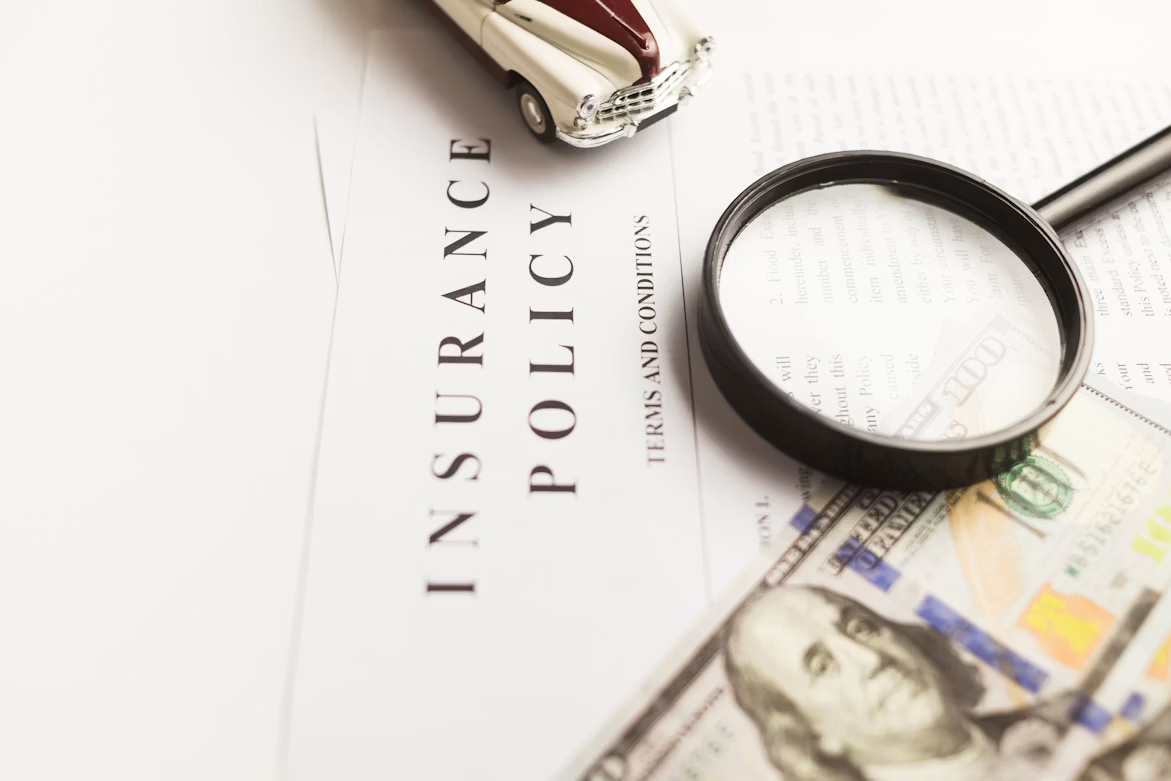
Okay, so here’s a chore that most folks dread, but skipping it is basically asking for trouble. Grabbing that thick insurance document and actually reading it—cover to cover—might sound about as fun as watching paint dry, but it’s absolutely non-negotiable. Policies love to hide little surprises in the fine print: coverage caps, weird exclusions, and conditions that make you wonder who wrote this stuff. For instance, wind damage might be fully covered, but groundwater seepage? That could be a whole separate battle. This is exactly where leaning on local expertise pays off—talking to a seasoned commercial insurance agency Nebraska can save a ton of grief, because those folks know the local landscape, the weather weirdness, and the building codes that bigger, faceless carriers often gloss over. They’ll cut through the jargon and point out the blind spots before they become expensive realities.
Play Detective with Your Assets
Sounds boring, right? But trust the process here. Walking through every square foot of the property with a phone camera, snapping photos of equipment, inventory, furniture, and even that quirky vintage sign near the entrance—this all adds up to gold later on. Jot down model numbers, purchase years, and rough values, then store that info in at least three different places: the cloud, a physical drive, and maybe with a trusted colleague who works off-site. When an adjuster shows up after the dust settles, having this kind of visual proof cuts through he-said-she-said nonsense and gets claims paid out faster. Nobody wants to haggle over whether that espresso machine was top-of-the-line or a budget model when they’re already dealing with a mess.
Don't Underestimate the Power of Maintenance
Here’s the unglamorous truth: a huge chunk of property damage is totally avoidable with routine elbow grease. That slow drip under the sink that everyone keeps ignoring? Eventually, it rots the floorboards. Those flickering lights in the back office? Could be faulty wiring just waiting to spark something nasty. Scheduling regular checkups—cleaning gutters, testing smoke detectors, servicing the HVAC, inspecting the roof after big storms—feels like throwing money at nothing until it suddenly feels like the smartest investment ever made. Catching tiny issues early is infinitely cheaper than rebuilding after they’ve spiraled out of control.
Run Practice Drills
Having a plan on paper is great, but paper doesn't react well under pressure. Running practice scenarios with the whole team exposes weak links that no spreadsheet could ever predict. Does everyone know where the main water shut-off valve lives? Can somebody locate the emergency first-aid kit without hunting for ten minutes? Who’s responsible for grabbing the backup server and getting out safely? Running through these motions occasionally builds automatic responses, so when everyone’s adrenaline is pumping for real, people aren't frozen—they move with purpose and clarity.
Keep Some Financial Breathing Room Handy
Insurance is wonderful, but it’s not instant. Deductibles come due right away, and reimbursement checks can drag their feet for ages while the business is bleeding cash. Setting aside a dedicated emergency fund or securing a flexible line of credit well before anything goes wrong gives a company the runway to cover temporary rent, employee wages, and expedited shipping costs without losing sleep over every single expense. That kind of financial cushion means owners can focus on getting things fixed properly, not just patched up cheaply to save a quick buck.
Treat Preparation Like a Living Document
Last but not least, a plan that sits in a drawer gathering dust is about as useful as a chocolate teapot. Businesses change—new equipment arrives, layouts shift, staff turnover happens—and all of that alters what risks look like and how to respond. Making it a habit to revisit the whole preparedness playbook every six months or so keeps it sharp and realistic. Maybe even loop in new hires during orientation so everyone’s on the same page. It’s not glamorous work, but staying adaptable and slightly paranoid about the "what ifs" is exactly what separates businesses that survive from those that become cautionary tales.