
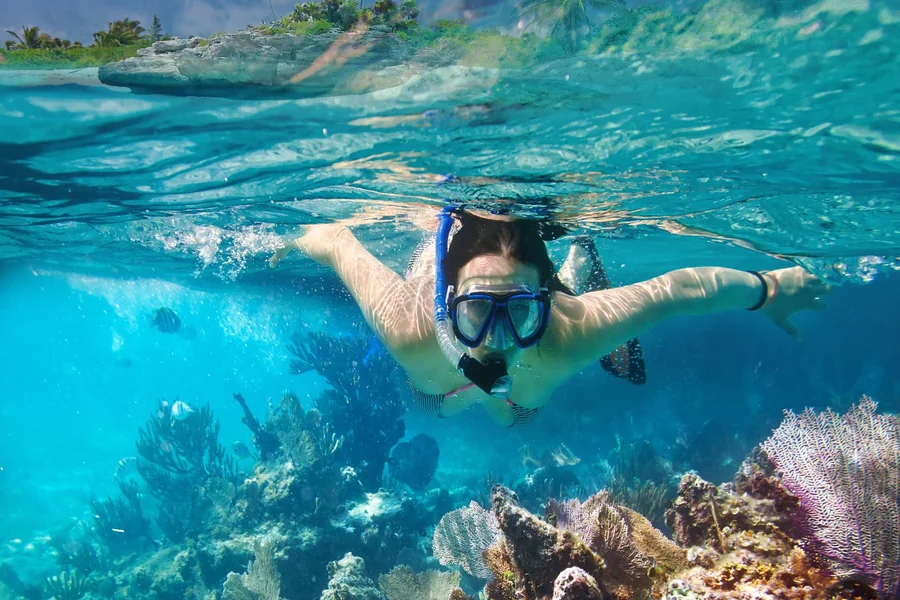
Not every snorkel spot on Maui works for every visitor on every day. Conditions shift with wind, swell, and season. What looked great in a photo may be murky or rough on arrival. A good maui snorkel guide helps you match the right place to the right conditions and the right swimmer.
That matching process is what separates a memorable snorkel outing from one that feels like a waste of a morning in paradise.
How Conditions Should Drive Your Spot Choice Each Day
Wind and swell come from different directions on different days, which means the sheltered side of the island changes. South Maui spots like Makena and Wailea tend to be calmer when trade winds are blowing, because the mountains and shoreline block wind from the northeast. North-facing spots get rough when trades pick up.
West Maui spots like Black Rock at Ka’anapali and Honolua Bay work best when south swells are low. Summer tends to be calmer on the west side. Winter swells from the north push more energy into west-facing bays and can make snorkeling uncomfortable or unsafe for casual swimmers.
Checking surf and wind reports takes a few minutes the morning of your outing. Both Surfline and Windy give real-time data for Maui and help you pick based on current conditions rather than what guidebooks say is usually true.
What Beginner Snorkelers Should Look for in a Spot
First-time snorkelers do best in calm, shallow water with clear visibility and a sandy bottom they can stand on if needed. Olowalu is one of the most consistent beginner snorkel spots on the island for exactly these reasons. It is shallow, typically calm, and offers easy entry from the beach without much surge.
Kamaole Beach Parks in Kihei offer similar access with nearby facilities, which makes them a low-stress option for families with young children. The reef here is not the most dramatic on the island, but the conditions are predictable and the entry is easy. For first-time visitors, predictable beats impressive almost every time.
Beginners should avoid rocky surge entries, exposed points, spots that require swimming against current, and any beach with no sandy staging area for gear and rest.
Maui Snorkel Guide: Matching a Spot to the Day’s Conditions
Start with the wind forecast. If trades are blowing above fifteen knots, south Maui spots are your best bet. If it is unusually calm, west side spots become available that might otherwise be too exposed. Honolua Bay on a calm summer morning offers some of the best reef snorkeling on the island.
Organized tours plan around this logic daily. If you are not sure how to read the conditions yourself, booking through a resource like maui snorkeling options gives you access to guides who already know which sites are working on a given day and can redirect the group when conditions shift unexpectedly.
Visibility is also a daily variable. Rain and runoff cloud the water for a day or two after showers. Move to a spot less affected by freshwater runoff if there has been recent rainfall inland.
Where to Go for Turtles, Reef Fish, and Specific Marine Life
Hawaiian green sea turtles are one of the main draws for snorkelers on Maui, and they are genuinely common at several accessible spots. Maluaka Beach near Makena Landing is often called Turtle Town for good reason. The turtles come in regularly to rest and graze on the algae growing on the reef.
Keep snorkel planning expectations realistic. Turtles are wild animals and their presence is never guaranteed. Going in with the mindset that you might see them rather than you will keeps the experience enjoyable even on slower days.
For reef conditions and fish variety, Black Rock at Ka’anapali is one of the most reliable spots on the island. Healthy coral and a wide range of species make it worth the short swim from the beach to the rock.
How to Keep a Snorkel Outing Low-Stress From Start to Finish
Arrive early. Popular spots fill up by mid-morning and parking gets difficult fast. Going at seven gives you a quieter experience, calmer water, and better parking. The water is also typically clearest before afternoon wind picks up.
Gear matters more than most first-timers expect. A poorly fitting mask will leak. A snorkel that is too short forces your head into uncomfortable angles. Renting quality gear from a local shop, even if it costs a bit more, makes the difference between an enjoyable hour and a frustrating one.
Bring fins if you can. They make covering distance effortless and let you spend energy watching rather than swimming. A reef-safe sunscreen applied before you enter the water protects both your skin and the coral.
The Best Snorkel Outing Starts Before You Hit the Water
Five minutes of planning in the morning changes the whole day. Check the wind. Check the surf. Choose a spot that fits both the conditions and your comfort in the water. That small step separates the visitors who rave about Maui snorkeling from those who were disappointed.
Maui has genuinely exceptional snorkeling. The turtles are real, the reef fish are colorful, and the water can be spectacularly clear. The key is showing up at the right spot on the right day with the right gear for your skill level.
A good maui snorkel guide is less about the list and more about the logic. Once you understand how conditions, access, and skill level interact, you can make a smart choice on any morning of your trip.