
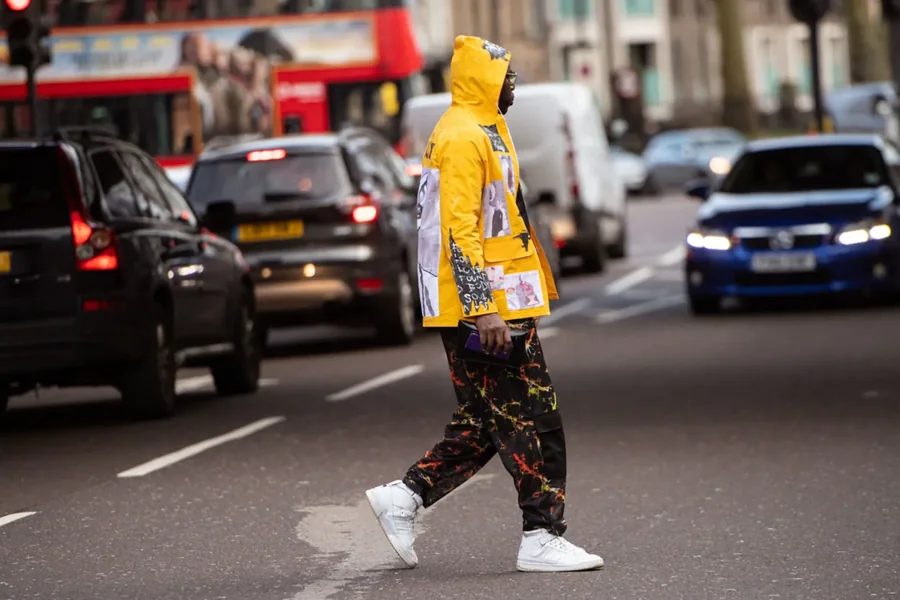
There are few cities in the world where fashion feels as natural as it does in London. It’s not just about designer labels or the latest collections appearing on the runway. The city’s influence comes from something much more authentic. It’s in the people rushing to work in the City, the creatives grabbing coffee in Shoreditch, the vintage lovers browsing markets in Camden and the sharply dressed professionals filling the streets of Mayfair. Every postcode seems to have its own personality, and together they create a style culture that continues to inspire men across the UK and beyond.
Unlike many fashion capitals that lean heavily towards one particular look, London thrives on variety. There isn’t a single dress code that defines the city, and that’s exactly why it has remained such an influential force in menswear. On the same street, you’ll find someone wearing a perfectly tailored suit, another in premium streetwear and someone else mixing vintage pieces with modern basics. Instead of clashing, these different styles somehow work together, creating an atmosphere where individuality is celebrated rather than questioned.
It’s this diversity that has helped shape modern men’s fashion and made London one of the most exciting places to discover new ideas. Publications such as Xposed London capture that energy by highlighting emerging brands, independent retailers, seasonal trends and the people who bring the city’s fashion scene to life. Rather than focusing solely on luxury labels or catwalk collections, the real inspiration comes from everyday Londoners who dress with confidence and personality, proving that style isn’t about following rules—it’s about finding what works for you.
One of the biggest reasons London has such a strong influence on men’s style is its ability to blend tradition with innovation. The city has a rich fashion history, from the famous tailoring houses of Savile Row to the punk movement that challenged conventional style in the 1970s. Today, those two worlds continue to exist side by side. Classic tailoring sits comfortably alongside oversized outerwear, relaxed denim and contemporary trainers, creating a wardrobe that feels both timeless and modern.
Walk through different parts of London and you’ll quickly notice how each area brings something unique to the fashion conversation. In Soho, you’ll find creative professionals mixing relaxed tailoring with designer accessories. Shoreditch is known for its independent fashion labels, vintage stores and experimental styling. Kensington leans towards classic elegance, while Camden continues to celebrate alternative fashion and individuality. These neighbourhoods don’t compete with one another—they simply offer different interpretations of personal style.
That variety has encouraged men to become more adventurous with the way they dress. Instead of committing to one particular aesthetic, it’s now common to borrow ideas from different influences. A tailored blazer might be paired with wide-leg trousers and minimalist trainers. A vintage denim jacket could sit alongside premium knitwear and leather boots. London has helped remove the idea that fashion needs to fit neatly into one category.
The city’s multicultural identity also plays a huge role in shaping menswear. London is home to people from all over the world, each bringing their own traditions, fabrics, colours and styling influences. This blend of cultures creates an environment where fashion naturally evolves. It’s one of the reasons London’s style scene feels so fresh. Inspiration comes from countless communities rather than one dominant trend, giving men’s fashion a richness that few cities can match.
Another reason London continues to influence style is its thriving independent retail scene. While major shopping destinations like Oxford Street and Regent Street remain popular, many fashion enthusiasts spend just as much time exploring smaller boutiques and concept stores hidden away in neighbourhoods across the capital. These businesses often introduce customers to emerging designers and limited collections that aren’t available everywhere else, helping men build wardrobes that feel more personal.
Vintage shopping has also become part of London’s fashion identity. Markets and independent vintage stores attract shoppers looking for clothing with character and individuality. Finding a perfectly worn leather jacket or a timeless wool coat often feels more rewarding than buying something mass-produced. Vintage fashion encourages creativity because it allows people to combine old and new pieces in ways that feel unique rather than predictable.
Of course, London is also a city where practicality matters. The weather can change several times in a single day, and that unpredictability has influenced the way people dress. Layering has become second nature, with overshirts, lightweight jackets, knitwear and waterproof outerwear all playing important roles in everyday wardrobes. Looking stylish is important, but so is being prepared for whatever the British weather decides to do next.
The way Londoners move around the city has shaped fashion too. Walking between meetings, commuting on the Underground and spending long days exploring different neighbourhoods means comfort is just as important as appearance. That’s one reason why relaxed tailoring, premium trainers and versatile outerwear have become wardrobe staples. Clothing needs to look good while keeping up with a busy lifestyle, and London has shown that it’s possible to achieve both.
Social media has extended London’s influence far beyond the capital itself. Street-style photography, fashion creators and local brands regularly showcase the city’s diverse approach to dressing, inspiring people across the UK and internationally. Unlike highly polished fashion campaigns, much of this content feels genuine because it captures real people wearing clothes in everyday situations. That authenticity resonates with audiences who want style inspiration they can actually relate to.
London Fashion Week also continues to reinforce the city’s reputation as a global style leader. While the runway often introduces bold ideas, its greatest impact comes from encouraging creativity. Designers challenge conventions, experiment with silhouettes and reinterpret classic British fashion, but those ideas eventually filter into everyday wardrobes in more wearable ways. The influence isn’t always immediate, but it helps shape the direction of menswear over time.
Perhaps London’s greatest contribution to men’s fashion is the confidence it gives people to dress for themselves. There is far less pressure to fit into one particular mould than there once was. Whether someone prefers heritage tailoring, minimalist basics, contemporary streetwear or vintage-inspired clothing, there is space for every style within the city. That openness has encouraged men to think less about trends and more about building wardrobes that genuinely reflect their personalities.
It’s also worth recognising that London has made good style feel more accessible. Fashion is no longer reserved for expensive designer labels or exclusive boutiques. Great outfits can be created by combining high-street essentials, independent brands, vintage finds and carefully chosen investment pieces. The emphasis has shifted from how much something costs to how well it fits, how confidently it’s worn and how naturally it reflects the person wearing it.
As fashion continues to evolve, London’s influence shows no sign of fading. The city remains a place where creativity meets tradition, where different cultures inspire new ideas and where individuality is celebrated every single day. Trends will continue to come and go, but London’s ability to reinvent style without losing its character is what keeps it at the centre of the conversation.
For men looking to refine their own wardrobes, there is perhaps no better lesson to take from the capital than this: the best style isn’t about copying someone else. It’s about taking inspiration from the world around you, choosing clothes that suit your lifestyle and wearing them with confidence. London has been proving that for decades, and it’s a philosophy that continues to shape modern menswear today.