
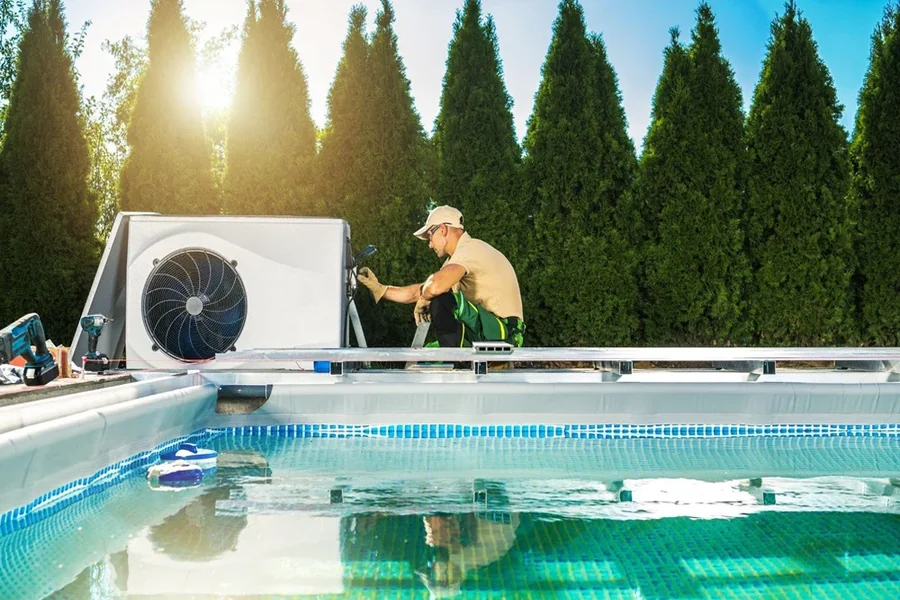
You’ve probably turned on your pool heater and wondered, “How long is this actually going to take?”. It’s a fair question, especially if you’re planning to swim later that day. For many homeowners using pool heating sydney systems, the expectation is simple: switch it on and enjoy warm water soon after.
But heat pumps don’t quite work like that. In reality, heating time isn’t fixed. It depends on several factors, and understanding these can help you get the most out of your system.
Getting Familiar with How Heat Pumps Work
Before getting into timing, it helps to first understand what is a pool heat pump and why it works differently compared to other heating options.
Unlike gas heaters that create heat instantly by burning fuel, heat pumps work by transferring warmth from the air into the water. This approach is much more energy efficient, particularly in areas with mild to warm climates.
So, how does a pool heat pump work?
- It pulls in air from outside
- That air moves across a coil containing refrigerant
- The heat from the air is absorbed and compressed to raise the temperature
- That heat is then transferred into the pool water
Because the system relies on ambient air, it performs best when the surrounding temperature is warm. This also explains why heating takes longer compared to gas systems. Instead of a quick spike in temperature, you get a gradual and steady increase.
For many homeowners, that slower pace is a fair trade-off for lower running costs and better efficiency.
How Long Does It Take to Heat Your Pool?
If you’re planning on heating a pool with a heat pump, it’s good to set the right expectations from the start. This isn’t a system you turn on and use for a few hours later. It takes time to build up that warmth.
If your pool starts off cold, the process can take anywhere from about a day to several days. In most cases, running the system continuously for around 48 to 72 hours will get the water to a comfortable temperature.
A rough estimate based on pool size looks like this:
- Small pools usually take about 1 to 2 days
- Medium-sized pools need 2 to 3 days
- Larger pools can take 3 to 5 days or even longer
The good news is that once the pool reaches your target temperature, it becomes much easier to maintain. You won’t need to run the system as long each day, unless the weather cools down significantly.
What Affects Heating Time?
There’s no single answer that applies to every pool. A few different factors all play a role, which is why heating times can vary quite a bit.
Pool Size and Water Volume
Bigger pools hold more water, so naturally, they take longer to heat.
Starting vs Desired Temperature
If your pool is very cold and you’re aiming for a warm swim, it’s going to take longer. A smaller temperature increase is much quicker to achieve.
Pool Cover Usage
Using a cover makes a bigger difference than most people expect. It helps trap heat and reduces how much warmth escapes, especially overnight.
Heat Pump Size
If the unit is too small for your pool, it will struggle to keep up. A properly sized system will heat more efficiently.
All of these factors combine in different ways, which is why two similar pools can still heat at different speeds.
What Are the Benefits of Using a Heat Pump?
One of the biggest advantages is efficiency. Heat pumps don’t generate heat in the traditional sense, which means they can deliver multiple units of heat for every unit of electricity used. Over time, that can translate into noticeable savings.
Other benefits include:
- A more stable and consistent pool temperature
- Lower operating costs compared to gas systems
- Reduced environmental impact since there’s no fuel being burned
Comparing Heat Pumps with Other Heating Options
If you’re looking into other options for pool heating Sydney, it helps to see how heat pumps compare against other systems.
Here’s a simple breakdown:
- Gas heaters
- Heat water quickly
- Can be expensive to run over time
- Solar heating
- Uses renewable energy
- Performance depends heavily on sunlight
- Heat pumps
- Take longer to heat initially
- Offer steady and more cost-effective performance
Gas heaters are great if you want fast results, especially for occasional use. But if you’re using your pool regularly, the running costs can add up. Heat pumps take a slower approach, but they’re designed to maintain a consistent temperature without the same level of ongoing expense.
Why Does the Electrical Setup Matter So Much?
One thing many people don’t think about right away is the electrical side of installing a heat pump. Since the system relies on electricity, getting this part right from the beginning is essential.
In most cases, a heat pump will need its own dedicated circuit to handle the load safely. This is where a licensed electrician Sydney plays an important role. They make sure everything is installed properly and meets safety regulations.
Installation usually involves two different specialists working together:
- A pool technician takes care of positioning the unit and connecting the plumbing
- An electrician handles the wiring, power supply, and overall safety checks
Even if your home already has an existing electrical setup, it’s still worth having it checked. A proper installation protects the system, helps avoid issues down the line and keeps everything running in excellent condition.
Conclusion
At the end of the day, heating a pool with a heat pump is more about consistency than speed. Most pools will take anywhere from one to several days to reach the desired temperature, depending on size and conditions.
Having a clear understanding of what is a pool heat pump and how does a pool heat pump work helps set the right expectations. These systems are built to gradually warm your pool and keep it there, rather than heating it instantly.
With proper installation, regular maintenance, and support from experienced professionals, a heat pump can be a reliable long-term solution. It might take a bit longer at the start, but once everything is up to temperature, it becomes much easier to manage and enjoy.