
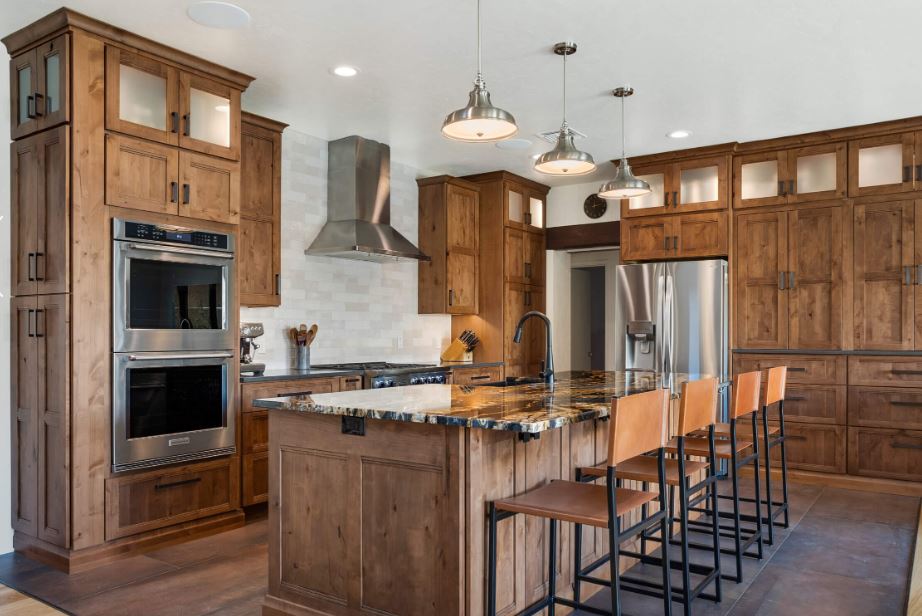
A kitchen gets used more than almost any other room in the house. Cabinets are opened and closed dozens of times a day, exposed to steam, heat, splashes, grease, spills, and constant handling. That is why homeowners often pause when choosing cabinet materials and finishes. It is not just about how cabinets look on day one, but how they hold up years down the road when real life happens.
That is where kitchen cabinet woodworking becomes more than a style choice. The type of wood, how it is milled, joined, finished, and maintained all influence how long cabinets last and how well they age. Some homeowners consider full replacements, while others explore cabinet refinishing as a way to extend the life of existing cabinetry. Both paths can be smart, but the best decision starts with understanding what actually makes cabinets durable.
Kitchen Cabinet Woodworking And Durability Basics
When people talk about durability, they often focus on the wood species alone. Wood matters, but durability is really the combination of materials, construction, finish, and daily use. High quality kitchen cabinet woodworking means the cabinet boxes stay square, the doors stay aligned, and the drawers keep gliding smoothly even as humidity changes and the kitchen stays busy. It also means the finish is designed to protect wood fibers from moisture and stains, not just make the cabinets look shiny.
If you already have wood cabinets, cabinet refinishing can be one of the most effective durability upgrades you can make. A worn finish is not just cosmetic. It is a weakened protective barrier. Done properly, cabinet refinishing restores that barrier, seals the surface again, and can prevent small issues from turning into bigger problems. In other words, durable cabinets are not accidental. Durable cabinets are the result of thoughtful kitchen cabinet woodworking and the right maintenance plan, which often includes cabinet refinishing at the right time.
Why Kitchens Are Hard On Cabinets
Kitchens are a challenging environment for wood because they mix moisture, heat, and constant contact. The cabinets near the sink face splashes and damp cleaning cloths. Cabinets above the stove face steam, grease, and temperature swings. Drawer fronts get grabbed with wet hands, and lower cabinets take hits from shoes, vacuum cleaners, pets, and kids. Over time, even well-built cabinets show wear.
This is why kitchen cabinet woodworking needs to anticipate real use, not showroom conditions. Durable joinery helps doors resist sagging. A strong cabinet box resists racking as the house shifts slightly over seasons. A protective finish resists staining and makes cleaning easier. When those pieces are missing, homeowners often feel like the cabinets “aged overnight.” In many cases, the cabinets did not fail suddenly. The finish failed slowly, and the wood had no shield.
If the structure is solid but the surface is tired, cabinet refinishing is often the turning point. A professional cabinet refinishing process can address wear around handles, water marks near sinks, and fading from sunlight, while preserving the integrity of the original kitchen cabinet woodworking.
What Wood Is Most Durable For Cabinets
The most durable woods for cabinets are usually hardwoods with strong density and good stability. Maple, oak, cherry, and hickory are common choices because they resist dents and hold hardware securely. Maple is popular in kitchen cabinet woodworking because it is hard, smooth-grained, and takes paint and stain well. Oak is sturdy and its grain pattern helps disguise minor wear. Cherry is slightly softer than maple or oak, but it ages beautifully and develops a rich tone over time. Hickory is one of the hardest domestic options, which makes it excellent for busy kitchens where cabinets take daily abuse.
Durability also depends on how the wood is processed. Proper drying reduces the risk of warping, cracking, or doors going out of alignment later. High quality kitchen cabinet woodworking starts long before the cabinets arrive in your home. It begins with stable lumber and careful milling that respects how wood moves in response to moisture.
Even if you already have durable hardwood cabinets, they still benefit from upkeep. Over time, protective coatings thin out. That is when cabinet refinishing becomes more than an aesthetic upgrade. Cabinet refinishing renews the protective layer that keeps durable wood from absorbing moisture and stains
Construction Matters As Much As Materials
Two cabinets can be made from the same wood and perform completely differently. The difference is construction. Strong cabinet boxes, solid frames, and quality joinery keep cabinets stable under daily use. Dovetail joints in drawers, reinforced corners, and properly installed face frames all support long-term performance. This is where excellent kitchen cabinet woodworking shows up in the details you do not always notice at first glance.
Cabinet boxes matter as much as doors. If the box material is weak, the whole cabinet can sag, loosen, or rack over time. A door may look fine, but if the box behind it shifts, the door will never align properly. Quality kitchen cabinet woodworking treats the cabinet as a system: box, frame, door, hinges, slides, and finish, all working together.
When the underlying structure is strong, cabinet refinishing becomes a high value option. You are not trying to rescue a failing cabinet. You are preserving good kitchen cabinet woodworking and extending its lifespan. That is why many homeowners choose cabinet refinishing instead of replacement when the cabinets are solid but dated.
The Role Of Finishes In Long-Term Durability
A finish is not only for color. It is the protective barrier between wood and the daily realities of a kitchen. A high quality finish resists moisture, grease, stains, and repeated cleaning. It also helps prevent the wood from swelling, drying out unevenly, or showing water marks. In strong kitchen cabinet woodworking, the finish is treated as part of the engineering, not just decoration.
Different finishes offer different benefits. Some are harder and more chemical resistant, while others are easier to touch up. Painted cabinets can look clean and modern, but they may show chips in high contact areas. Stained cabinets highlight the wood grain and may hide minor wear better, especially when protected with a durable topcoat. The most important point is that any finish will wear eventually in a busy kitchen.
That is why cabinet refinishing matters. When the protective layer dulls, gets sticky, peels, or shows raw wood at the corners, cabinet refinishing restores the barrier. Done correctly, cabinet refinishing protects the existing kitchen cabinet woodworking and helps cabinets handle years of future use.
When Cabinet Refinishing Is The Smart Move
Homeowners often assume they need new cabinets when the kitchen looks worn. In many cases, the cabinets are structurally fine. The problem is the surface. Scratches, fading, yellowing, and dated stain colors can make a kitchen feel tired even when the cabinet boxes are strong. This is where cabinet refinishing shines.
Cabinet refinishing makes the most sense when doors and boxes are solid, hinges and slides still function well, and the cabinet layout works for your household. If the cabinets are made with decent kitchen cabinet woodworking, refinishing can deliver a major visual upgrade while preserving the strength of what is already there. It is also often faster and less disruptive than full replacement.
A good rule of thumb is simple. If your cabinets feel sturdy and the problems are mostly visual, explore cabinet refinishing before you commit to demolition. If the cabinets wobble, the boxes are swelling, or the layout no longer meets your needs, replacement may be the better investment in the long run.
How Cabinet Refinishing Extends Durability
Many people think cabinet refinishing is just sanding and changing color. A quality cabinet refinishing process does more than that. It addresses worn areas, restores smoothness, and rebuilds a protective coating so the wood is sealed again. That matters most near sinks, dishwashers, trash pullouts, and high-touch doors.
In practical terms, cabinet refinishing helps prevent moisture intrusion, which is one of the biggest threats to wood cabinets. It also makes cleaning easier because grease and grime sit on top of the finish instead of soaking into bare wood. For homeowners who want durability without replacing everything, cabinet refinishing is often the most cost-effective way to protect the original kitchen cabinet woodworking for another decade or more.
If you have kids, pets, or a high-traffic kitchen, refinishing also allows you to choose a finish that fits your lifestyle now, not the lifestyle of the previous owner. That is a durability upgrade in itself.
Maintenance Habits That Protect Cabinets
Even the best kitchen cabinet woodworking benefits from smart daily habits. Simple actions protect the finish and prevent moisture damage. Wipe up spills quickly, especially near the sink and dishwasher. Use a gentle cleaner instead of harsh chemicals that can strip protective coatings. Avoid soaking cabinet edges with wet cloths. Use the exhaust fan while cooking to reduce steam and grease buildup.
Hardware habits matter too. Loose pulls and hinges create stress on doors and frames. Tightening hardware prevents wobble that can damage wood over time. Using soft-close hinges and slides, when possible, reduces impact and helps protect the cabinet structure.
Maintenance also includes timing. If the finish looks dull, sticky, or worn through at corners, do not wait until the wood is stained or swollen. That is the moment to consider cabinet refinishing. Timely cabinet refinishing is preventative. Delayed cabinet refinishing becomes repair.
Cost, Value, And The Long View
High quality wood cabinets often cost more up front, especially when the work involves skilled kitchen cabinet woodworking. But that cost can translate to long-term value because strong cabinets last longer and perform better. The lifetime cost is often lower when you factor in fewer replacements, fewer failures, and the option to restore instead of replace.
This is where cabinet refinishing changes the math. If your cabinets are already strong, cabinet refinishing can deliver an updated kitchen at a fraction of replacement cost. It also avoids the disruption of removing cabinets, repairing walls, and dealing with extended downtime. Many homeowners are surprised by how much value they can unlock by combining good kitchen cabinet woodworking with strategic cabinet refinishing over time.
Choosing The Right Approach For Your Kitchen
If you are building new or remodeling heavily, focus first on structure. Ask about wood species, cabinet box construction, joinery, and finishing methods. Strong kitchen cabinet woodworking shows up in smooth drawer operation, consistent door alignment, and cabinet boxes that feel rigid and well-supported.
If you are working with existing cabinets, evaluate what you have. Are the boxes sturdy? Do the doors align? Do the drawers function smoothly? If yes, cabinet refinishing may be your best next step. If the problems are structural, such as swelling boxes or failing materials, replacement may be the more durable solution.
Many kitchens fall in the middle. Some cabinets may be excellent candidates for cabinet refinishing, while a few damaged pieces need replacement or repair. A thoughtful plan can blend both and preserve the best parts of the existing kitchen cabinet woodworking.
Final Thoughts
Kitchen cabinets face daily demands that test their strength and resilience. Durable kitchen cabinet woodworking combines the right wood species, solid construction, and protective finishes to create cabinetry that stands the test of time. Wood cabinets do require care, but they reward homeowners with warmth, longevity, and the ability to be restored rather than discarded.
For homeowners with existing cabinets, cabinet refinishing is one of the smartest durability upgrades available. When the cabinet structure is sound, cabinet refinishing restores protection, refreshes appearance, and helps the original kitchen cabinet woodworking keep performing for years. With the right craftsmanship and simple maintenance habits, wood cabinets can remain a functional and beautiful part of your kitchen for decades.
If you are unsure whether you need replacement or cabinet refinishing, start with an honest assessment of the structure. Strong kitchen cabinet woodworking is worth preserving, and cabinet refinishing is often the bridge between “worn out” and “like new,” without the cost and disruption of starting over.