
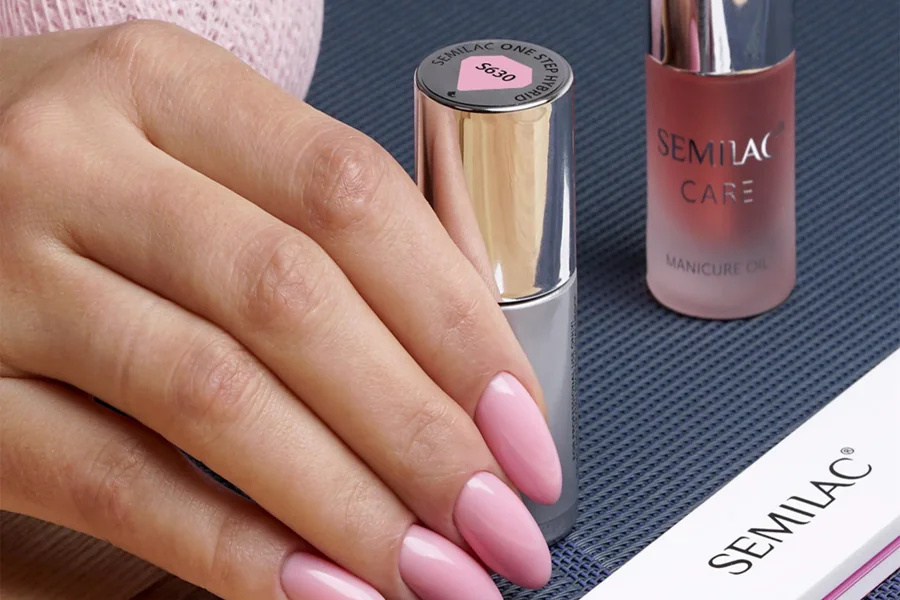
The Secret Behind Long Lasting Perfect Looking Nails That Professionals Swear By
Hands are always in the frame — rings, bouquets, champagne glasses, you name it. And yes, people notice nails more than they admit. Some manicures stay flawless for weeks, others start chipping before the honeymoon even kicks off.
The difference isn’t luck, not even close — it’s technique, training, and knowing exactly what you’re doing. Professionals who complete advanced education, like a Russian manicure course, understand how to build durability from the ground up. And honestly, once you see it, you realize how much you really wanted it all these years.
Why Some Manicures Don’t Last Long
Not every manicure is built to go the distance. There’s always a reason when things start lifting early. Let’s take a closer look at the problem:
- Poor nail preparation: Skipping proper prep leaves oils and residue behind, which blocks adhesion. Simple, but critical.
- Incorrect cuticle work: If the cuticle isn’t cleaned thoroughly — like, really thoroughly — product lifts fast. No mystery there.
- Lack of proper technique training: Guesswork shows. Without formal training, consistency is all over the place.
- Weak application structure: Too thin, too thick, wrong apex — yes, the structure matters more than people think.
What Professionals Learn About Nail Durability
Now, here’s where things shift. Real training changes how you approach every step — no shortcuts, no improvising. Precision and responsibility lead the way there:
- Proper nail surface preparation: It’s not just filing — it’s controlled prep that preserves the nail while maximizing adhesion. Subtle, but powerful.
- Advanced cuticle techniques: Clean cuticle work creates a seamless base. The product sits tighter, lasts longer — simple equation.
- Structured application methods: Professionals build an apex that supports the nail. It’s architecture, basically — tiny, precise architecture.
- Product control and layering: Not too much, not too little. Controlled layering prevents bulk while keeping strength intact.
How Training Improves Nail Longevity
You can always tell when someone’s trained properly — it shows in the details, even the quiet ones. A real professional is not the one who brags about being one. It’s that kind of person who never promises anything special but does the job that is perfect enough to be remembered for decades:
- Consistency in technique: Every set looks clean, balanced, and uniform. No surprises halfway through wear time.
- Understanding nail anatomy: Knowing the nail’s structure helps prevent damage and improves retention — yes, it’s science, not just style.
- Better retention results: Fewer chips, less lifting, longer wear. Clients notice all that immediately.
- Fewer beginner mistakes: Over-filing, flooding the cuticle, uneven layers — training reduces all of it. A pro is here to just do the job while you’re distracted by your own thoughts so when you’re back again you see your nails done the way you expected. No surprises.
Why Professional Nail Education Matters
Let’s be real here — education separates hobby from profession. And clients can tell, even if they don’t say it out loud:
- Higher client satisfaction: Long-lasting nails mean fewer complaints and more repeat bookings. Rumors spread fast in Brooklyn. Especially online.
- Longer lasting results: Proper techniques extend wear time without compromising nail health. That balance? That’s the goal.
- More advanced skill development: Training opens the door to specialized techniques that elevate your work. You don’t stay basic forever.
- Career opportunities in salons: Skilled technicians are in demand. Strong training makes you competitive, period.
Conclusion
Long lasting nails aren’t about luck or expensive products — they’re about skill, precision, and proper education. Professionals who invest in training understand how to create structure, maintain nail health, and deliver consistent results.
And sure, it takes time, patience, and practice — but that’s the difference between average and exceptional. At the end of the day, durability comes from knowing exactly what you’re doing and doing it well.
FAQ
What makes nails last longer?
Proper preparation, clean cuticle work, and correct product application all contribute to longer-lasting nails.
Is training necessary for nail technicians?
Yes, training ensures consistent technique, better results, and improved nail health outcomes.
What is taught in a Russian manicure course?
It covers advanced cuticle work, nail preparation, structured application, and product control techniques.
How does training improve results?
Training builds consistency, reduces errors, and improves retention through better technique.
Are professional courses worth it?
No doubt. They enhance skill level, increase client satisfaction, and open up more career opportunities.