
Software Technology: Future is Now
Software technology is the invisible engine powering the modern world. From the applications on our smartphones to the complex algorithms managing global supply chains, software is the fundamental building block of digital transformation. With the growing demand from consumers and businesses for quicker, more intelligent and secure digital interactions, the world of software technology is moving rapidly. For businesses to remain competitive, they must now understand these technological changes – no longer is it optional.
The transformation in software technology is marked by a transition from inflexible, monolithic systems to dynamic, interconnected and highly sophisticated systems. In the past, software was developed through a deliberate process that led to static software installed on people’s computers. Now software is fluid, it resides in the cloud, it is regularly updated and increasingly able to make decisions. This change is a result of a few key technology developments that are having a profound impact on the way we operate, communicate and address global challenges.
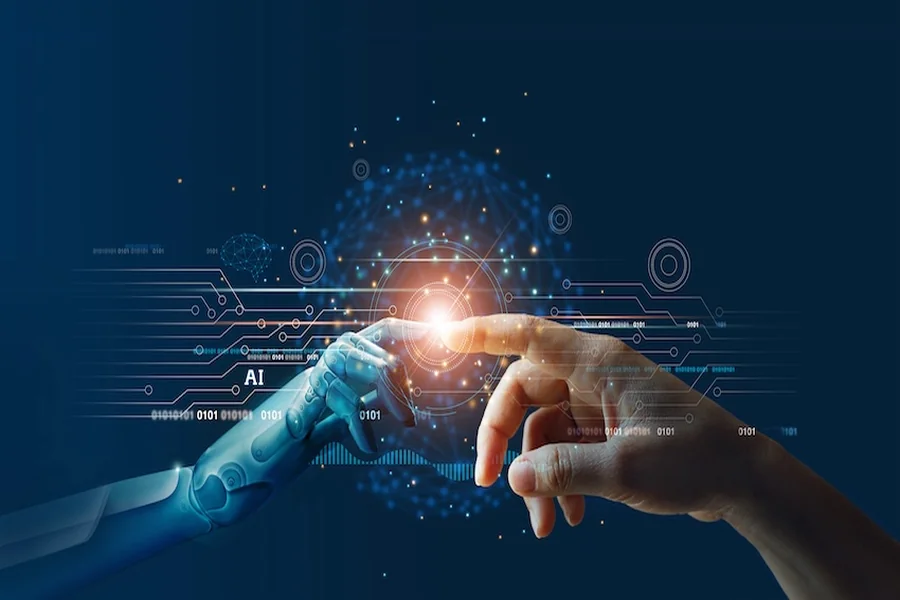
Artificial Intelligence (AI) and Machine Learning (ML) are so leading the digital charge. These are no longer buzzwords in the tech industry, but are now fundamental in software design. Software powered by AI can process and learn from vast amounts of data, uncover insights that may be overlooked, and forecast future events with high precision. In customer service, AI-powered chatbots provide instant, personalized support. In medicine, machine learning helps to diagnose diseases by rapidly interpreting medical images. Across industries, incorporating AI in a company’s software stack allows companies to automate routine tasks, increase efficiency and create opportunities for improvement.
Software innovations have been made possible by the advent of cloud computing. The cloud has made enterprise technologies accessible to all, by moving computing resources from the company’s data centre to the internet. Software as a Service (SaaS), Platform as a Service (PaaS) and Infrastructure as a Service (IaaS) have revolutionized the IT industry. Businesses no longer have to make significant investments in local servers or employ a large IT staff to manage them. Rather, they can increase or decrease their software resources as needed, and pay as they go. This enables companies to be responsive, quickly adapting to changing market demands and launching new applications worldwide in minutes. The intricacies of today’s digital environments demand expertise, and working with progressive companies such as nextinnovationsusa can offer the insights as to how these powerful cloud technologies can be deployed.
Another powerful trend in democratizing software technology is low-code and no-code software development. Traditionally, to build a software application one would need to be proficient in a computer programming language such as Java, Python or C++. This posed a problem, given the vast need for software and the shortage of programmers. Low-code and no-code platforms help solve this problem through their visual, drag-and-drop interfaces that enable users with minimal or no traditional programming skills to create applications. This allows “citizen developers” within various departments – such as marketing, human resources and finance – to build their own software solutions to meet their specific needs. Although conventional programming will always be needed for intricate and highly specialised systems, low-code platforms are greatly increasing the speed of development of all standard business software.
But as software increasingly pervades our lives and essential infrastructure, cybersecurity has never been more important. The increasingly networked nature of software – with APIs connecting hundreds of applications and databases – means there are many opportunities for cybercriminals to exploit. Cyber attacks are becoming more advanced, from ransomware that locks up a company’s computers to covert breaches by hackers that steal millions of user data. As a result, today’s software technology is embracing the principle of “security by design”. That is, security measures and vulnerability assessments are being incorporated early on in the software development lifecycle (SDLC) rather than as an add-on. Ideas such as Zero Trust architecture, where trust is not automatically granted to any user or system, no matter where they are in the network, are becoming de rigueur in software deployment.
Edge computing also promises to become a key element of the software technology stack, especially with the rise of the Internet of Things (IoT). In cloud computing, data is typically sent back to a data centre for analysis. But for applications that need to make decisions in real-time (for example, autonomous cars and robots), the time delay required to send the data to a data center can be critical. Edge computing overcomes this challenge by bringing the computing to the “edge” of the network, near where the data originates. Software for edge devices needs to be highly efficient and lightweight, and able to function even when the device is offline.
The future of software development is, without a doubt, quantum computing. Still in its early days, quantum software will be able to tackle problems that current computers cannot solve. These range from global supply chain optimization to simulating the interactions of molecules for accelerated drug design to creating uncrackable encryption techniques. As quantum computers evolve, new software coders will be required to program these supercomputers in order to revolutionise the role of software.
To sum up, software technologies are ever-evolving and at the forefront of progress. The rise of smart automation through artificial intelligence and the limitless potential of cloud computing, the empowering capability of low-code development and the imperative of cybersecurity, are all coming together to make the world a smarter, faster and more creative place. Companies that adopt these software innovations, remain flexible in their IT roadmaps and have the right technology partners will flourish in the digital future. The future of software will be more user-friendly, powerful and disruptive.
FAQs About Software Technology
What’s the difference between software technology and hardware? Hardware is the physical parts of computers and other electronic devices, such as the processor, memory and hard drive. Software technology is the nonphysical programs, software and operating systems that instruct the hardware to perform certain tasks and operations.
What is the role of AI in software development? AI is already helping to accelerate the software development process by automating basic tasks such as coding, debugging and improving the efficiency of code. AI-driven software can offer code suggestions, detect security issues while the code is being written and even automatically test the software more rigorously than human testers.
What’s the importance of cloud computing in software? The cloud is important because it enables software to be delivered and updated via the internet instead of being installed locally. This offers tremendous scalability, cost savings and collaboration features which let companies access enterprise-class software solutions globally without having to worry about server management.
What are low-code/no-code platforms? These are development platforms that enable applications to be created by manipulating the user interface and other elements via drag-and-drop rather than hand-coding in computer languages. They allow for quicker development of apps and allow non-programmers to develop apps for their own needs.
What can companies do to secure their software? Businesses can secure their software by following a “security by design” approach, performing periodic vulnerability scans, using multi-factor authentication, ensuring software and its dependencies are up-to-date and training staff in cybersecurity practices such as recognising phishing scams.