

Pushing hard feels good. The sweat. The effort. The sense of accomplishment. But constant grinding comes with a price. The body wears down eventually. The mind gets foggy. Creativity dries up completely. That is when performance suffers most. Artists hit blocks. Dancers lose their spark. Athletes plateau hard.
The missing piece is almost always rest. Not lazy rest. Active rest. Restorative rest. The kind that rebuilds and recharges. The kind that actually works. Most people get this wrong completely.
Restoring After the Party
Weekends can get wild. Late nights happen. Celebrations occur. The next morning feels terrible. Head pounding. Body aching. Brain sluggish. That is when a good hangover cure comes in handy. Hydration helps enormously. Electrolytes bring balance back. Light movement gets the blood flowing again.
But active rest goes way deeper than that. It is not about fixing damage. It is about preventing burnout altogether. The goal is sustainable energy. Not quick fixes. Not temporary patches. Real, lasting resilience.
The Science Behind Downtime
The nervous system has two modes. Fight or flight. Rest and digest. Most high performers live in the first mode constantly. That is a disaster waiting to happen. Cortisol stays elevated. Inflammation increases. Sleep quality plummets. The creative brain shuts down. The muscles stay tense. Recovery never happens fully.
Active rest activates the second mode. It tells the body to repair itself. It signals the brain to process information. It unlocks new ideas. It restores physical capacity. This is not laziness. This is smart strategy.
Sleep Is the Foundation
Nothing replaces quality sleep. The body rebuilds tissues during deep cycles. The brain consolidates memories. Hormones rebalance overnight. Growth hormone peaks. Inflammation drops. Without enough sleep, everything falls apart. Seven to nine hours are non-negotiable.
Consistent schedules work best. Cool rooms improve depth. Darkness triggers melatonin production. Screens ruin that process completely. Turn them off early. Read something calming instead. The difference appears within weeks. Energy returns. Focus sharpens. Creativity flows again.
Movement Without Intensity
Active rest involves gentle movement. Not heavy lifting. Not sprints. Not high-intensity intervals. Think slow walks. Think easy stretching. Think light swimming. The blood circulates better. The joints stay lubricated. The muscles release tension. This is recovery in motion. It speeds up healing. It reduces soreness. It prepares the body for future efforts.
Twenty minutes of walking does wonders. Ten minutes of stretching loosens everything. The key is keeping it easy. No strain. No struggle. Just enjoyable, restorative motion.
Mindfulness Resets the Brain
The mind needs rest too. Constant thinking drains resources. Creative blocks emerge from overload. Mindfulness offers a solution. Focus on the present moment. Breathe deeply. Let thoughts pass without attachment. Even five minutes changes everything. Meditation works well. Deep breathing exercises help. Body scans release hidden tension.
These practices lower stress markers. They improve emotional regulation. They spark unexpected insights. Artists report breakthroughs during quiet moments. Athletes visualize perfect form. The brain processes in the background. Solutions appear effortlessly.
Nutrition Supports Recovery
Food fuels the repair process. Protein rebuilds muscle fibers. Carbohydrates replenish energy stores. Healthy fats reduce inflammation. Timing matters too. Post-activity meals should come within an hour. That window maximizes absorption. Hydration is equally critical. Water transports nutrients. Water flushes waste products. Dehydration slows everything down.
A balanced approach works best. Whole foods outperform supplements. Vegetables provide essential minerals. Fruits offer natural sugars. Good nutrition amplifies every recovery effort.
Strategic Breaks Throughout the Day
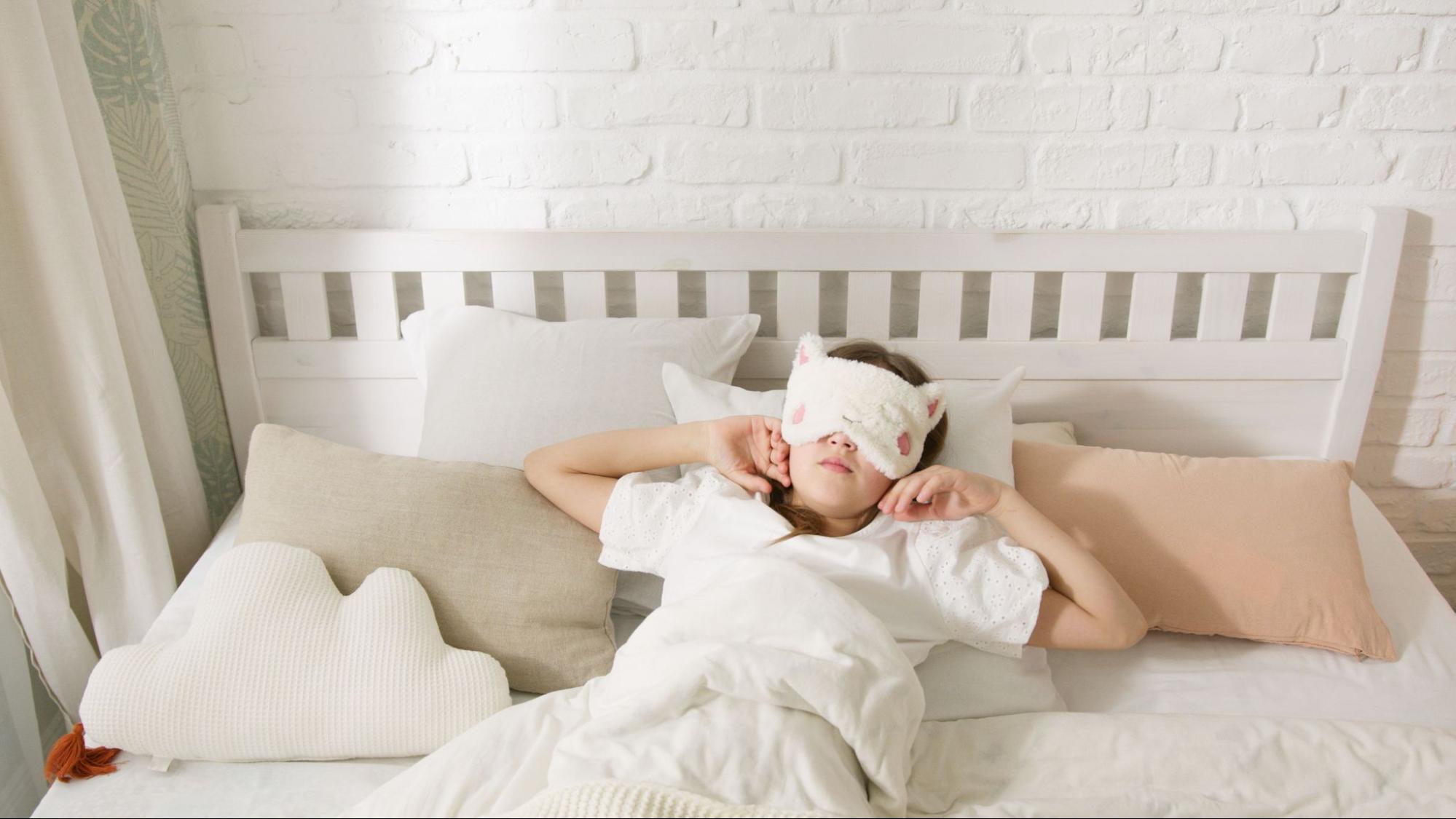
Recovery does not require long sessions. Short breaks work surprisingly well. Step away from the screen. Walk around the block. Stretch the neck and shoulders. Close the eyes for sixty seconds. These micro-pauses reset attention. They lower stress hormones.
They prevent decision fatigue. The brain works better afterwards. Creativity picks up. Focus returns. Energy stabilizes. Schedule these breaks deliberately. Use timers if necessary. They become habits quickly. The cumulative effect is impressive.
Listening to the Body's Signals
The body sends clear messages. Pain means stop. Fatigue means rest. Restlessness means move. Ignoring these signals causes problems. Injuries happen. Burnout follows. Performance drops drastically. Active rest teaches listening skills. Pay attention to subtle cues.
Morning stiffness indicates recovery needs. Afternoon drowsiness signals sleep debt. Evening energy reflects daily balance. Adjust accordingly. Rest when tired. Move when energized. Create when inspired. This intuitive approach sustains longevity. Artists create for decades. Performers stay sharp. Athletes compete longer. That is the real art of active rest.