
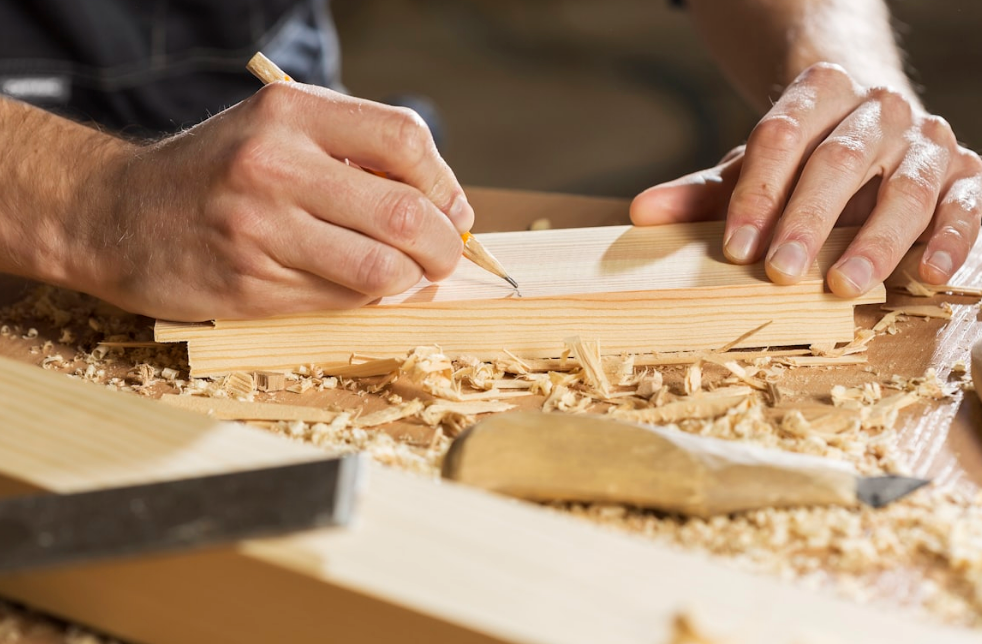
The concept of luxury is shifting from flashiness toward a deep focus on how things are made. High-end buyers now want to know the story behind their furniture and home decor. They look for quality that lasts generations and materials that do not harm the planet.
Modern design is no longer just about the look of a room. It is about the peace of mind that comes from ethical choices. This change reflects a new standard where true wealth is measured by responsibility and care for the world.
The Shift Toward Material Intelligence
Luxury shoppers are moving away from excess and looking for items with real staying power. Designers are responding by using material intelligence to create spaces that feel more personal. This means choosing goods that serve a purpose and reflect the values of the owner.
Expert trend reports suggest the conversation has moved toward material intelligence and emotional connection. People want to feel a bond with the objects in their homes. This bond comes from knowing an item was made with respect for the earth.
Using sustainably sourced timber helps ensure that beautiful wood products do not deplete natural forests. You can find high-quality timber solutions online for your next home project. These choices help protect the environment while keeping your home looking elegant and timeless.
Responsibility in Modern Spaces
Living sustainably is becoming a standard part of life rather than a passing fad. People want their homes to reflect a commitment to the future of the planet. Design experts suggest that 2026 is a year where value is more important than the amount of stuff we own.
- Furniture should be built to last decades.
- Materials must have clear origins and certifications.
- Energy use during production is a major factor for buyers.
- Natural textures are preferred over synthetic finishes.
One leading studio mentions that sustainability is now a responsibility rather than just a trend. This mindset changes how architects and decorators plan their projects. They now look for ways to reduce waste at every step of the building process.
Understanding the Supply Chain
Ethical sourcing helps fix problems that are often hidden from the average consumer. A single company might have supply chain emissions that are 26 times higher than its own daily office operations. By choosing brands that track their impact, you help lower these numbers.
Luxury leaders are now setting goals to have 100% of their raw materials certified by 2027. This shift ensures that every part of a product is handled with respect for nature. A recent industry paper found that textile supply chains are the next big frontier for ethical standards.
Regulations and Global Standards
New rules are changing how luxury goods are sold and tracked across the globe. Governments are making environmental and social rules stricter for businesses. This means companies must be open about where they get their leather, gems, and wood.
These new policies make it easier for you to trust the labels on high-end goods. It creates a fair market where quality and ethics go hand in hand. A guide for policymakers notes that this year will be a decisive moment for these global regulations.
Investing in Long-Term Value
The market for sustainable products is growing fast as more people realize the benefits. Experts believe this market will grow by 6% every year for the next several years. Buying ethical goods is a smart financial move because these items often hold their value better.
They are made with better materials that do not break down or go out of style. You are paying for a legacy rather than just a name brand. A report on wood products shows that the market value will hit $150 billion very soon.
High-quality wood and stone develop a patina over time. Instead of looking worn out, they look better as they age. This longevity is the opposite of the “fast fashion” mindset that has dominated for years.
Technology in Sustainable Design
Technology is also helping people make better choices for their homes. Augmented reality can help you see how a piece of furniture looks in your room before you buy it. This tech can cut down on returns by 60%, which saves fuel and reduces waste.
It is a smart way to mix high-tech tools with old-school craftsmanship. Digital twins of furniture allow designers to test durability before a single tree is cut. This precision reduces the amount of scrap material left on the factory floor.
Data tracking also helps customers see the carbon footprint of their purchases. Some apps now let you scan a code to see the entire history of a table or chair. This transparency is a key part of the new luxury experience.
 When you surround yourself with items made with care, the quality is easy to see. You can feel the difference in the texture of the fabric and the weight of the wood. True luxury is the ability to enjoy the best things in life while knowing they were made the right way. Your home becomes a sanctuary that supports both your well-being and the planet.