
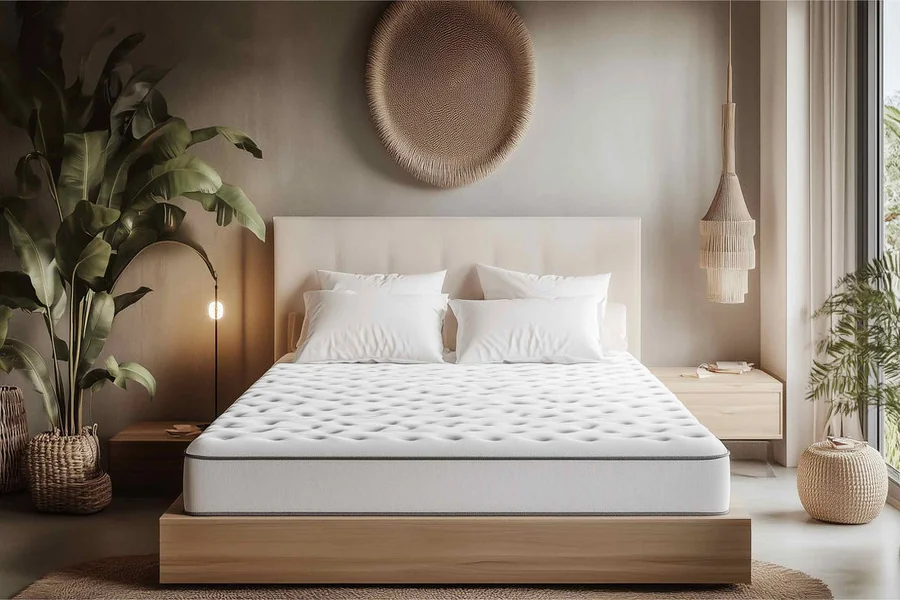
When searching for a new bed, buyers frequently focus on the cost to determine the quality of the product. They assume that a higher price tag automatically guarantees a deeply restful and restorative night. However, the actual secret to waking up refreshed depends heavily on finding the correct support profile for individual sleep positions.
A mattress that fails to align the spine properly will cause chronic discomfort regardless of how much money was spent. When shopping for queen bed mattresses, individuals must prioritize physical comfort over the financial investment to protect their long-term health. The following sections will expose the hidden dangers of wrong support choices and reveal what truly dictates a perfect sleep surface.
Physical Alignment Trumps Financial Investment
An expensive sleeping surface cannot fix the structural issues caused by an incorrect level of body support. When a bed is too soft, the heavier parts of the body sink deeply and pull the spine out of its natural alignment. This misalignment strains muscles and ligaments throughout the night, which leads to severe soreness in the morning.
Conversely, an excessively rigid surface creates intense pressure points on the shoulders and hips instead of distributing weight evenly. Proper skeletal support ensures that muscles fully relax, which allows the body to enter deeper cycles of restorative sleep. Therefore, shoppers should test the structural response of the surface rather than focusing on the retail price.
Sleep Positions Dictate Necessary Resistance
Every unique sleeping posture requires a specific amount of surface resistance to maintain healthy physical alignment. Side sleepers need a softer surface that cushions the shoulders and hips while filling the gaps along the waistline. Back sleepers require a medium counter-pressure that supports the lower lumbar region without pushing the spine upward. Buying random queen bed mattresses based solely on a clearance sale can result in severe physical strain if the resistance matches the wrong posture.
How to Choose the Right Firmness Level
- Match the mattress to your primary sleeping position to keep your spine properly aligned throughout the night.
- Consider your body weight, as lighter and heavier sleepers experience the same firmness level differently.
- Test the mattress whenever possible to ensure it feels supportive and comfortable before making a final purchase.
Weight Distribution Alters Surface Sensation
The body mass of an individual completely changes how a sleeping surface feels during the night. A lightweight person will find a standard medium bed quite rigid because they do not apply enough pressure to compress the foam. A heavier individual will press right through those same comfort layers and hit the hard support core underneath.
This variation means that a luxury bed can feel completely miserable if the design does not match the sleeper’s mass. True comfort requires a careful calculation of how much the materials deflect under specific physical weights. True value comes from material response rather than the prestigious reputation of an expensive price tag.
Partner Motion Isolation Requires Precision
Sharing a bed introduces the complicated challenge of managing movement transfer between two distinct sleepers. When a surface lacks the correct structural resistance, every toss and turn creates a disruptive wave across the platform. This constant motion transfer ruins sleep quality and leaves individuals feeling exhausted the next morning.
Correct firmness levels absorb this kinetic energy locally, which keeps the rest of the surface completely still. Investing in the correct material density prevents these midnight disruptions far better than simply choosing an expensive model. Peace depends on structural dampening rather than the financial tier of the product.
Material Longevity Outlasts The Initial Cost
The durability of a sleeping surface relates directly to how well the internal components resist permanent sagging over time. Soft beds lose their initial shape much faster because the plush comfort layers degrade under continuous compression. Once these layers break down, the bed loses its ability to support the body and must be replaced immediately.
Firmer options utilize high-density components that maintain their structural integrity through years of heavy use. A cheaper model with excellent structural density will easily outlast a costly, overly plush alternative that sags within months. Longevity depends entirely on component engineering rather than the numbers printed on the receipt.
Chronic Pain Reduction Demands Proper Support
Waking up with persistent backaches and a stiff neck is a clear sign of an inadequate sleeping surface. The body uses sleep to repair tissue, but it cannot heal when muscles are actively fighting to maintain stability. Proper surface resistance cradles the joints and eliminates the tension that accumulates during daily activities.
The reduction of physical pain improves daytime energy levels and boosts productivity significantly. No amount of financial prestige can compensate for a bed that actively inflicts physical damage on the skeletal system. Prioritizing correct body support over cost is the ultimate way to secure lasting physical health.
The search for ideal queen bed mattresses must center on structural suitability rather than arbitrary market pricing. True nocturnal rejuvenation is achieved when the body rests in complete skeletal equilibrium throughout the night. Consumers save money and protect their physical well-being by selecting a surface tailored to their specific weight and posture. Ultimate comfort remains a matter of physics and biomechanics rather than financial luxury.