
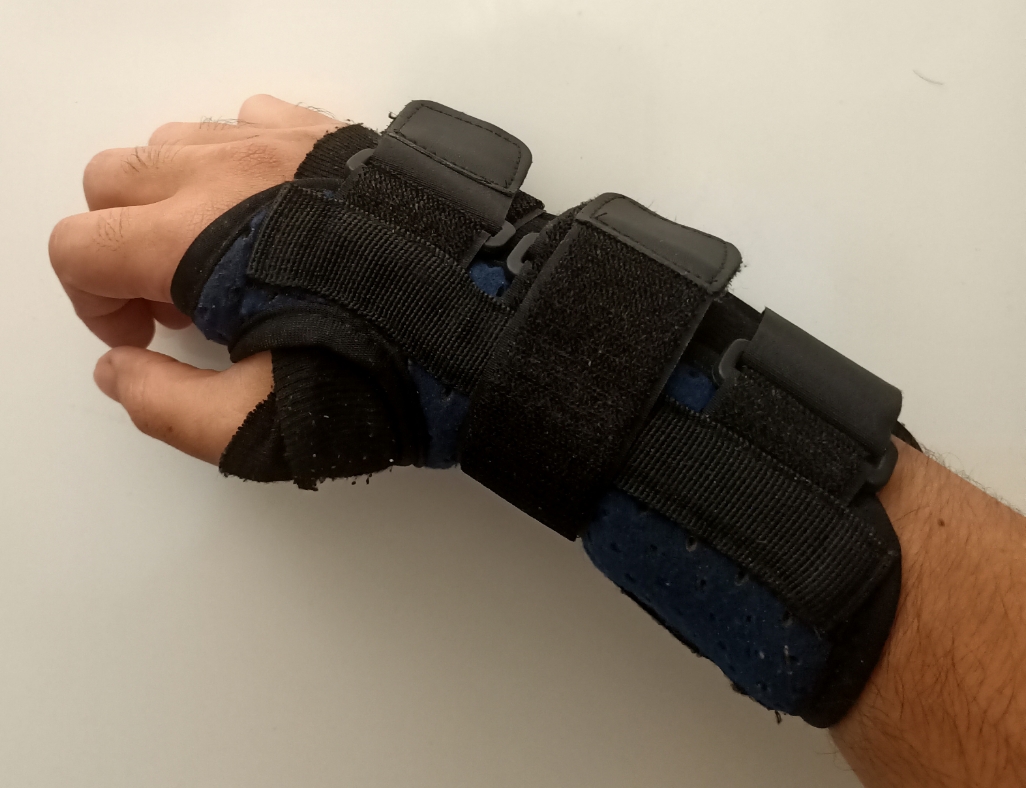
A bicycle crash can put considerable force through the hands when a rider strikes the ground or tries to brace against a fall. Wrist fractures, ligament tears, and nerve injuries may follow. Some symptoms continue after swelling fades or bones heal.
Ordinary hand movements depend on bones, joints, tendons, and nerves. The American Academy of Orthopaedic Surgeons (AAOS) explains that recovery from a broken wrist varies with injury severity and treatment. Five complications illustrate why follow-up records matter.
1. Lasting Stiffness After a Distal Radius Fracture
The distal radius is the end of the larger forearm bone near the wrist. A fracture can occur when someone lands on an outstretched hand. After immobilization or surgery, stiffness and reduced motion are common during recovery. According to AAOS guidance, some patients continue experiencing aching or restricted movement well beyond the early healing period.
Cyclists facing persistent limitations may seek an experienced bike accident lawyer in Los Angeles to evaluate how the injury affects treatment costs, employment, and daily activities. Liability and injury documentation matter more than the diagnosis alone.
Follow-up examinations can measure wrist movement and grip strength, while imaging may assess alignment and healing. These findings help distinguish expected rehabilitation from longer-lasting impairment. Functional reports matter particularly when work requires lifting or precise hand movements.
2. Scaphoid Fractures That Do Not Heal Properly
The scaphoid is a small wrist bone near the thumb. AAOS explains that a fall onto an outstretched hand can fracture it and that some fractures are initially difficult to identify on X-rays. Persistent thumb-side wrist pain therefore requires medical assessment even when the first examination does not reveal a clear break.
Healing can be complicated by the scaphoid's blood supply. A fracture may fail to unite, known as nonunion, or disrupt circulation to part of the bone, resulting in avascular necrosis. AAOS identifies these complications as possible causes of later wrist arthritis, pain, and reduced movement.
Repeat imaging helps doctors assess healing. Treatment duration and restrictions may document collision-related losses. Not every scaphoid fracture produces lasting damage, but persistent symptoms cannot be evaluated reliably from the initial X-ray alone.
3. Ligament Damage That Creates Wrist Instability
Ligaments connect bones and help keep wrist joints aligned during movement. The scapholunate ligament connects two small wrist bones and can be injured when the wrist bends forcefully during a fall. An injury may produce pain, weakness, and a feeling that the joint does not move normally.
The American Society for Surgery of the Hand describes scapholunate injuries as a cause of instability and explains that longstanding damage can lead to abnormal alignment. AAOS also identifies ligament tears as a cause of post-traumatic wrist arthritis. Symptoms can worsen with additional joint wear.
A specialist may use examination findings and imaging to evaluate the ligament and joint alignment. Treatment depends on the damage and how long the condition has existed. Records of instability, therapy, and recommended surgery establish the injury's consequences.
4. Numbness and Weakness From Nerve Compression
Nerves carry sensation and movement signals through the wrist into the hand. Trauma and swelling can increase pressure on the median nerve inside the carpal tunnel. The National Institutes of Health identifies wrist injuries, including fractures and sprains that cause swelling, among factors associated with carpal tunnel syndrome.
Symptoms can include tingling, numbness, and weakness affecting the thumb and several fingers. The AAOS notes that prolonged pressure may damage the nerve and worsen symptoms. A clinician may distinguish nerve compression from pain caused by a fracture, ligament injury, or another condition.
Ongoing sensory changes can affect grip and precise finger movements even when a fracture appears healed. Medical records may include neurological examinations, nerve testing, and treatment recommendations. Reporting new or worsening numbness promptly is important because delayed evaluation can allow certain nerve problems to progress.
5. Complex Regional Pain Syndrome After Wrist Trauma
Complex regional pain syndrome, or CRPS, is a pain condition that can develop after an injury to an arm or leg. AAOS identifies severe ongoing pain after a wrist fracture as a possible warning sign. Symptoms may be disproportionate to the original injury and can include heightened sensitivity, swelling, and changes in movement.
CRPS requires clinical evaluation; persistent pain alone does not prove the diagnosis. The National Institute of Neurological Disorders and Stroke describes changes in skin temperature, touch sensitivity, and stiffness among possible features. Recovery varies, and disability can persist.
Treatment records can document the onset of symptoms, specialist assessments, rehabilitation, and the effect of pain on hand use. These details matter because ordinary imaging alone may not describe the full impact of a pain condition. A medical assessment is necessary before linking prolonged symptoms to the crash.
Documenting How Hand Injuries Affect Everyday Function
A diagnosis identifies an injury, but follow-up evidence explains its practical consequences. California's civil jury instructions distinguish between medical expenses, lost earnings, and noneconomic harms such as physical pain and impairment. The evidence required depends on the losses being claimed and whether the defendant is legally responsible.
Relevant documentation may include:
- Follow-up imaging and reports from treating specialists
- Physical or occupational therapy assessments
- Measurements of grip strength and range of motion
- Work restrictions and records of income actually lost
- Records of additional treatment recommended by clinicians
- Consistent descriptions of activities affected by symptoms
A medical opinion is especially relevant when future care or permanent limits are alleged. Records help distinguish temporary from continuing restrictions.
Why Recovery Cannot Be Judged by the First Examination
A serious bicycle crash may leave wrist injuries that evolve over months or require repeat investigation. Fracture healing, joint stability, nerve function, and persistent pain do not follow identical recovery paths. AAOS emphasizes that outcomes depend on the injury and the individual response to treatment.
Timely assessment and accurate follow-up records help cyclists understand their health needs and explain the extent of any lasting limitations. When a legal claim is involved, those same records can support a fact-based evaluation of injury-related losses without assuming that every complication is permanent.