
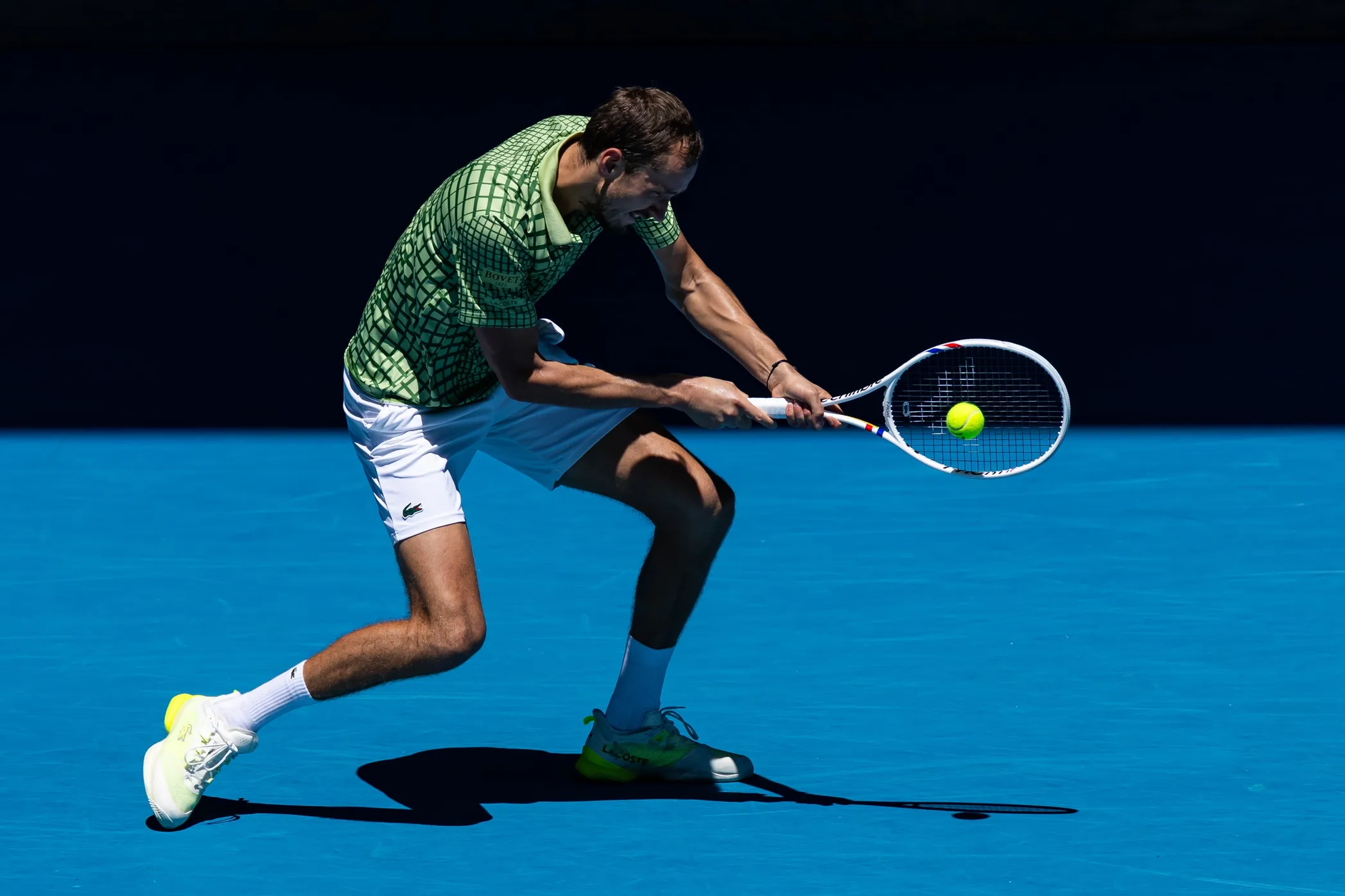
The tennis wagering sector in 2026 has transformed into a high-tech ecosystem valued at over $25 billion annually. According to recent market reports, tennis now stands as the second most popular sport for global betting volume, trailing only football. This surge is driven by the 24/7 nature of the ATP and WTA tours, which provide a constant stream of “Micro-Market” opportunities. Industry analytics from early 2026 show that 60% of all tennis wagers are now placed “In-Play,” where odds refresh in under 50 milliseconds to match the speed of a serve. For the strategic bettor, the game is no longer about just picking the favorite; it is about understanding the “Surface Friction,” “Serve-to-Ace Ratios,” and “Break Point Pressure” that define professional match-play. In 2026, a “Winning Strategy” requires a deep dive into the raw data provided by AI-driven scrapers that track every ball bounce and player sprint in real-time.
Technical Impact of Court Surface on Match Outcomes
In the current 2026 season, the most critical variable for any pre-match analysis is the “Surface Speed Rating.” A player who dominates on the lightning-fast hard courts of Dallas may struggle on the heavy, slow clay of Monte Carlo.
The surface dictates the “Bounce Height” and the “Ball Deceleration.” On clay, the ball loses approximately 40% of its horizontal speed upon impact, favoring “Baseliners” who have the stamina for long rallies. On grass, that loss is only 25%, which gives a massive advantage to “Big Servers.” Statistics from the 2026 ATP Surface Speed Report show that the Ace Frequency on fast indoor hard courts is nearly double that of slow outdoor clay. Successful Superbet ελλαδα bettors use these ratings to identify “Value Gaps” where the bookmaker has failed to account for a player’s historical underperformance on a specific soil type.
Strategic Metrics for Professional Performance Auditing
To find an edge in 2026, you must look past the “Win-Loss” record and examine “Efficiency Metrics.” These numbers provide a clearer picture of a player’s true form, regardless of their most recent scoreline.
Evaluation of Service and Return Dominance
The “Dominance Ratio” (DR) is the gold standard for tennis analytics in 2026. You calculate this by dividing the percentage of return points won by the percentage of service points lost. A DR above 1.20 indicates a player who is consistently outperforming their opponents, even in matches they might narrowly lose.
- Break Point Saved %: This measures a player’s “Clutch Factor” under high emotional pressure.
- First Serve Points Won: High-tier players in 2026 typically maintain a rate above 70%.
- Second Serve Vulnerability: If a player wins less than 45% of their second serves, they are a primary target for “Lay Betting” in live markets.
- Return Game Win Rate: The top-ranked players like Swiatek or Alcaraz often break their opponent’s serve in more than 35% of games.
Comparative Analytics for 2026 WTA/ATP Performance
The following table highlights the 2026 benchmarks for elite-level play. Use these metrics to audit a player’s “Statistical Floor” before committing your bankroll to a match.
| Performance Metric | Elite Pro (Top 10) | Strong Contender | Tour Average | Impact on Odds |
| Service Games Won | > 85% | 78% – 82% | 72% | Lowers “Upset” Risk |
| Break Points Saved | > 65% | 58% – 62% | 55% | Essential for “Clutch” Wins |
| 1st Serve Points Won | > 75% | 70% – 74% | 68% | Dictates Match Pace |
| Return Points Won | > 42% | 38% – 41% | 36% | Key for “Break” Potential |
Direct Benefits of Live Momentum and Micro-Market Timing
Tennis is a game of psychological swings, and in 2026, “Momentum Tracking” is the king of live wagering. Because the scoring system (15-30-40) creates natural “Pressure Points,” the odds fluctuate wildly after every single point.
Identification of the “Post-Break” Value Window
A common trend in 2026 is the “Break-Back” phenomenon. Statistics show that after a player breaks their opponent’s serve, their own concentration often drops slightly in the very next game. This creates a “Value Window” to bet on the opponent to break back at much higher odds. In the current market, the AI-driven odds often overreact to a single break of serve, allowing a disciplined bettor to find “Plus-EV” (Expected Value) opportunities by betting against the immediate momentum.
Management of In-Play Latency and Bet Delays
Success in the live market requires a “Low-Latency” setup. In 2026, many professional bettors use 5G-optimized apps that provide “Direct-to-API” feeds. If you are watching a match on a standard digital stream, you are likely 20 to 30 seconds behind the actual action. By the time you see a player double-fault, the bookmaker has already adjusted the odds. To win, you must use live data overlays that show the “Point-by-Point” result before the video catches up.
Internal Barriers to Emotional Stability and Bankroll Safety
The high speed of tennis betting can lead to “Decision Fatigue” and emotional mistakes. In 2026, “Financial Integrity” is managed through automated tools that prevent the common “Beginner Traps.”
Implementation of the “Set-by-Set” Budget Rule
To survive the volatility of a five-set match, professionals use a “Staggered Stake” approach. Rather than placing your entire bet at the start, you divide your stake into “Units.” For example, you might place 1 Unit on the pre-match winner, but keep 2 Units in reserve to “Hedge” or “Add” during the second set if the data shows a shift in momentum. This keeps your “Average Entry Price” favorable and protects you from a single bad start.