
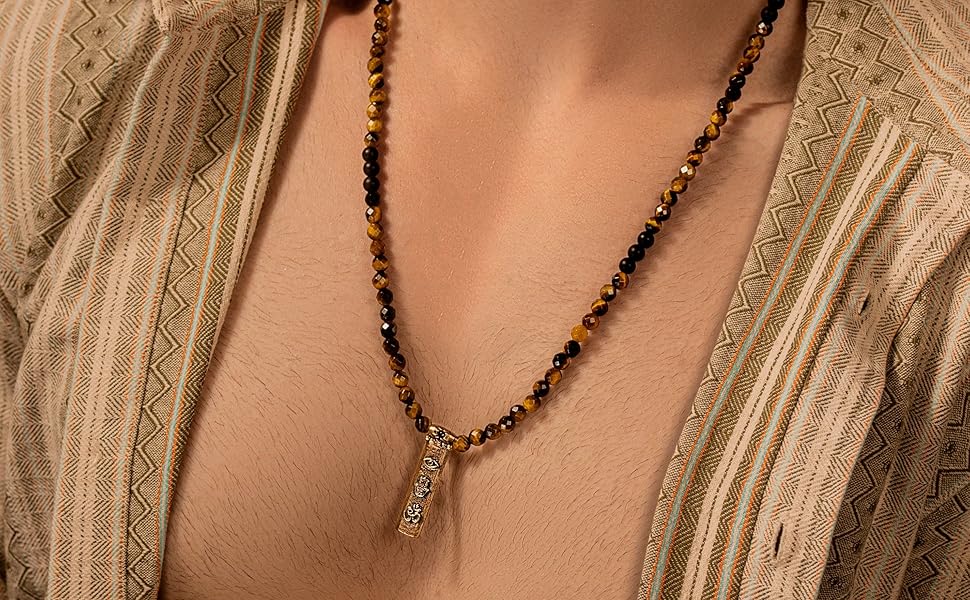
Karma Stone Jewelry is the amalgam of adornment, meaning and choice. Customers typically don’t choose stone jewelry for its appearance. They attach meaning to its color, place of manufacture and supposed vibrational qualities. This doesn’t mean it’s an irrational category. Socially complex. A bead bracelet can be a fashion, a ritual or token of remembrance, or even a gift language. Good work usually works because it finds a balance between a modest optical statement and credible symbolism, not promises of healing. That’s knowing the difference between unspiritual-smelling product placement name-dropping.
Materials Defines Durability
The work is judged by its physicality. Metals and gems vary in hardness and porosity, and their visual consistency is limited, so the design has limitations. Soft materials are abrasive, stone is subject to fading, and rubber absorbs strain. The best-selling karma stone bracelet thrives when this is accepted rather than obscured in mystical verbiage. A frosty onyx bracelet will not operate like a transparent quartz pendant. Consumers should understand stone choice as an engineering decision rather than an esoteric one, as wearability affects the experience.
The Problem with Symbolism
Buyers understandably treat gemstone symbolism with a grain of salt. Symbols can be associated with stones, but this is not the same as effective power. Karma Stone Jewelry does not lose its value if you don’t believe the superstitions. Ritual objects can function through cognition and narrative. A ring representing patience can help us practice it by serving as a reminder. It’s psychological, perhaps not supernatural. That makes more sense and justifies the value of symbolic jewelry.
Design is More Important than Advertised
Design is a more accessible subject matter than spiritual belief, and should weigh heavily when shopping for this purpose. Design affects proportions, clasp quality, planner design, fineness, and metal reactivity. If not balanced, it rotates, pinches and catches on clothes, turning symbols of love and romance into symbols of frustration. Karma Stone Jewelry shines best when the design isn’t chock with significant evidence. Simple arrangements are often better. Single focal beads in simple settings are generally preferable. The straightforward approach increases wearability, reduces the risk of breakage, and vastly expands styling possibilities.
How To Judge Price Fairly
Value in this genre is harder to justify than merlots. Marketing, packaging, handmade labor, and approximate stone value can sometimes explain value, but the appeal of obscure mythology lessens the object’s value. Karma Stone Jewelry should be compared based on identifiable craftsmanship, hardware and material information. An inexpensive bracelet with sterling silver and certain stones can hold up better than a more costly piece with mystery-metal clasps. Consumers should evaluate lifetime wear by focusing on jewelry specifics, details are a much better predictor of lifespan than mythology.
The Importance of Color in Daily Wear
Don’t undervalue the importance of color. Jewelry is often purchased for sentimental meanings, but it’s usually worn in actual wardrobes, under variable daylights. That creates a filtering process. Petroleum green can indicate serenity or wealth, but it also needs to match skin, apparel, and metal of choice. Instead of creating Karma Stone Jewelry products in a cultural vacuum, shoppers should consider focusing on intentions and appearances. A stone hoarded isn’t useful. Wearing expounds value, so the material’s versatility is as important as the symbol.
When Karma Stone Jewelry is A Gift
Gifts alter the criteria of choice. When shopping for yourself, symbolism can be specific. Selecting for others requires hyperpersonalization at your own risk unless you know them well. A talisman to bring healing and protection might be considered sweet by some, offensive by others. For all birthday and Christmas gifts, Karma Stone Jewelry is most appreciated when they leave space for the wearer’s interpretation. Hence why simpler designs beat themed designs. They don’t impart a preconceived meaning that may not resonate with the wearer.
Care and Maintenance Guide Use Tips
Use requirements are not a trivial consideration. At minimum they allow them to remain visually appealing after months of wear. While some gems are relatively comfortable with water and wear, others fog, crack, or change color under the assault of cosmetics, perspiration and abrasion. Treating these pieces like a material system, rather than an indestructible trinket, is therefore important. Never wearing bracelets to work out, storing pieces individually, and not using harsh cleaning products are all good areas to start with long term rewards. Care seems trite, but guarantees beauty and the wearer’s intent.
What Ethical Buying Really Means
The category requires consideration of ethical factors. Sourcing, production and healing claims cost little and are difficult to substantiate. This is not to say every seller is untrustworthy, but it does mean the burden of proof shifts to the seller. Good answers about working conditions, stone treatment, and the use of recycled metal should be requested from Karma Stone Jewelry. Moral value is more important than you might think. It also bears on environment, wages and reputation. Consumers should, in turn, prefer merchants who talk about trade-offs, because words are unreliable indicators of character.
Final Thought
What derides a precious item is regular usage based on credible meaning. Jewelry is significant when it can be worn, endures, and remains evocative long after the novelty wears off. Thus the best evidence for the value of Karma Stone Jewelry is necessarily humble. It can help individuals symbolize intentions, relationaltionships or rituals through substance. These activities are real because our behavior is symbolic. A successful product relies on symbolism that facilitates rather than replaces thought, attention and decision-making.
FAQ
What is Karma Stone Jewelry?
It is stone based jewelry valued for symbolism, design choices, and everyday wearability.
Is stone symbolism scientifically proven?
Not in a strong measurable sense, though symbols can still shape attention and habit.
How can buyers tell if quality is good?
Check hardware, finish consistency, stone treatment disclosure, and overall construction before buying.
Does higher price always mean better jewelry?
No. Better materials and workmanship matter more than inflated storytelling or packaging.
What is the best way to care for it?
Keep pieces dry, store them separately, and avoid harsh cleaners or impact.