
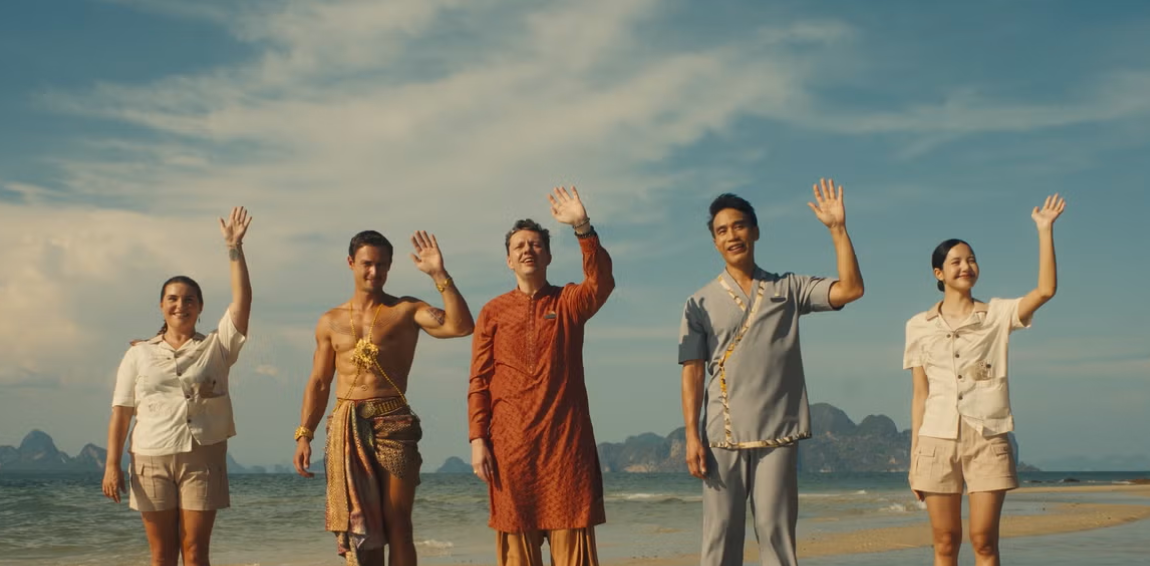
Travel trends have always evolved with the times, but we are currently witnessing a seismic shift driven by the “Golden Age” of streaming. This trend, known as “Set-jetting,” describes travelers who choose their destinations specifically because they served as filming locations for their favorite movies or TV shows. Gone are the days when a simple brochure or a guidebook determined the summer destination; today, the cinematic frames of HBO, Netflix, and Disney+ are the primary influencers. Whether it is the desire to walk through a medieval castle or stay at a luxury resort seen on screen, people are seeking a tangible connection to the fictional worlds they inhabit for hours every week. This cultural shift has turned remote corners of the globe into overnight hotspots, proving that the boundary between entertainment and reality is thinner than ever before.
The White Lotus Effect: Luxury as a Character
One of the most prominent examples of set-jetting in recent years is what economists call “The White Lotus Effect.” Each season of the hit series is set in a different Four Seasons property, first in Maui and then in Taormina, Sicily. Following the release of the second season, search interest for Sicily skyrocketed by over 300%. Travelers aren’t just looking for any hotel; they want the exact suite where their favorite characters plotted and panicked. This type of tourism goes beyond sightseeing; it is about “vibe-hunting.” People want to recreate the aesthetic of the show, from the fashion to the specific cocktails served at the bar. For many, navigating these high-stakes travel decisions feels like a calculated move in a high-end https://jugabet.cl/services/lobby, where the reward is the perfect social media post and the feeling of living inside a premium production.
The Last of Us and the Alberta Wilderness
While The White Lotus sells luxury, the adaptation of the video game The Last of Us has done something remarkable for the Canadian province of Alberta. Despite being set in a post-apocalyptic United States, the series was filmed across various locations in Canada, showcasing stunning mountain ranges and urban landscapes. This has triggered a massive influx of fans wanting to see the real-life “Boston” or “Jackson.” Unlike luxury set-jetting, this version is rooted in adventure and grit. Hikers and nature enthusiasts are now flocking to provincial parks that were once off the beaten path, proving that even a bleak, fungal apocalypse can look beautiful enough to inspire a cross-continental flight. It highlights how cinematography can rebrand a geography, turning a familiar landscape into an epic stage for human survival.
Game of Thrones: The Blueprint for Modern Screen Tourism
We cannot discuss set-jetting without acknowledging the monumental impact of Game of Thrones. Before the series, places like Dubrovnik, Croatia, and the rugged coastline of Northern Ireland were popular but not overwhelmed. Post-GoT, these locations became global pilgrimage sites. Dubrovnik’s “Old Town” saw such a surge in visitors that the city had to implement strict “Respect the City” measures to manage the crowds. Northern Ireland leveraged the show to build a permanent tourism infrastructure, including studio tours and themed trails. This serves as a blueprint for how a long-running series can permanently alter the economic trajectory of a region, creating thousands of jobs and sustaining local businesses long after the final credits have rolled and the sets have been dismantled.
The Psychology of the Fictional Pilgrimage
Why are we so obsessed with visiting places that don’t “really” exist in the way they are portrayed? Psychologists suggest that set-jetting is a form of emotional immersion. When we watch a series, we form parasocial relationships with characters and deep attachments to the story. Visiting the filming location is a way to bridge the gap between the screen and our own lives. It provides a sense of “insider knowledge”—standing where a pivotal scene happened allows the fan to feel like a part of the production. In an era where digital experiences dominate our lives, the physical act of standing on a specific cliffside or sitting in a particular cafe provides a grounding, “authentic” touchpoint for our digital obsessions. It is travel as a form of storytelling.
The Economic Windfall for Local Communities
For local governments, landing a major production is like winning the lottery. It brings an immediate injection of cash during filming—hiring local crews, caterers, and transport—and provides a long-tail tourism benefit that can last for decades. Governments are now offering massive tax incentives to production houses specifically to encourage this future tourism. For example, the “Lord of the Rings” films put New Zealand on the map in a way that no traditional ad campaign ever could. The tourism sector became a cornerstone of the national economy, with “Hobbiton” remaining one of the country’s most visited attractions twenty years later. This synergy between the film industry and the travel industry has become a sophisticated economic engine that thrives on visual storytelling.
The Dark Side: Over-tourism and Local Displacement
However, set-jetting is not without its controversies. When a quiet, unprepared location suddenly becomes the “main character” of a viral show, the results can be catastrophic for residents. In places like Maya Bay in Thailand (made famous by The Beach) or the stairs in the Bronx from Joker, the sheer volume of tourists has led to environmental damage and daily disruption for locals. Rents often skyrocket as apartments are converted into short-term rentals for fans, pushing out the very people who give the location its original charm. The ethical challenge for the modern set-jetter is to visit these places with respect, ensuring that their desire for a photo doesn’t compromise the quality of life for the community that lives there year-round.
Netflix and the “Emily in Paris” Effect
The influence of streaming isn’t limited to epic dramas or fantasy worlds; it extends into lifestyle and fashion. Emily in Paris has turned specific Parisian neighborhoods, like the Place de l’Estrapade, into magnets for influencers. Local bakeries have seen lines wrap around the block for the “Emily croissant.” This type of set-jetting is highly aspirational and revolves around “lifestyle curation.” It’s less about the history of Paris and more about the version of Paris presented on screen. This has led to a fascinating debate about “Paris Syndrome”—where tourists are disappointed that the real city isn’t as clean or color-coordinated as the show—and highlights the power of a series to curate a sanitized, highly marketable version of reality.
How to Plan a Set-Jetting Trip Sustainably
If you are planning to follow in the footsteps of your favorite characters, sustainability should be at the forefront of your itinerary. Researching the actual filming locations—which are often different from the fictional setting—can help you discover lesser-known gems. Instead of just visiting for a “hit-and-run” photo, stay in local guesthouses, eat at family-owned restaurants, and respect the local rules regarding photography and noise. Many locations now offer official “screen tours” that are designed to manage flow and fund conservation efforts. By choosing these organized options, you ensure that your visit contributes to the preservation of the site rather than its degradation, allowing the “magic” of the location to survive for the next generation of fans.
Conclusion: The Future of Travel is Scripted
As streaming platforms continue to produce high-budget content in diverse global locations, set-jetting will only grow in popularity. We are moving toward a world where our travel maps are color-coded by our watch lists. This trend represents a fascinating evolution of the human desire for story and adventure. While it brings challenges of over-tourism and unrealistic expectations, it also opens our eyes to stunning locations we might have otherwise ignored. Whether you are chasing the ghosts of the past in a historical drama or seeking the luxury of a modern thriller, set-jetting allows us to be the protagonists of our own journeys. The screen is no longer just a window to watch through; it is a door that invites us to step through and see the world in high definition.